
India stands at the crossroads of a technological revolution. The country now hosts over 4,500 artificial intelligence startups. These upcoming AI companies in India are reshaping industries from healthcare to agriculture.
The AI ecosystem in India 2026 has matured beyond recognition. Venture partners are investing billions. Enterprise clients across 40 countries trust Indian AI solutions.
This comprehensive guide explores 30 pioneering companies building real infrastructure. You will discover their innovations, funding journeys, and market impact. Whether you are an investor seeking opportunities or an enterprise exploring partnerships, this analysis delivers actionable insights into India’s AI landscape.
Understanding India’s AI Startup Ecosystem in 2026
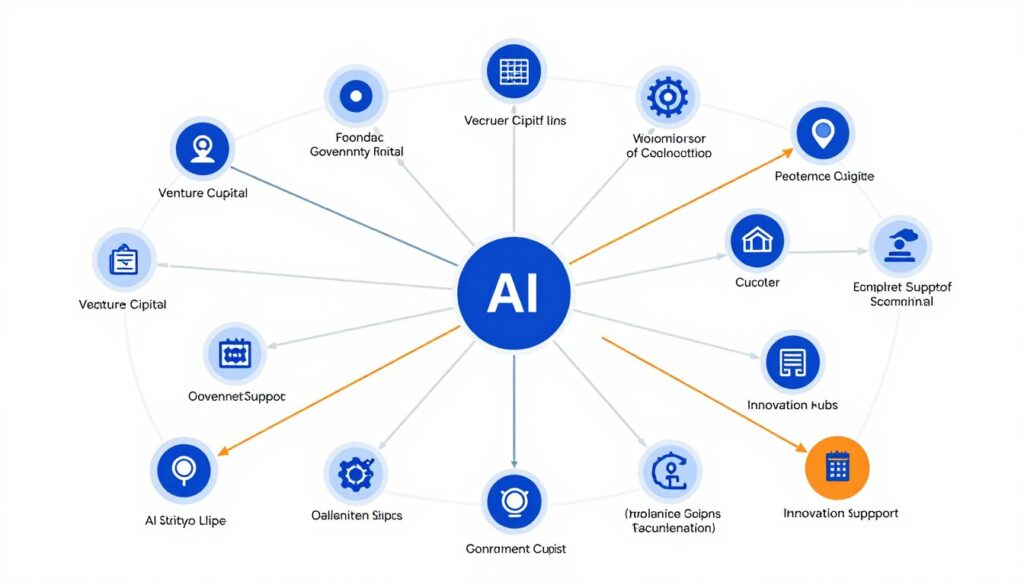
The artificial intelligence landscape in India has experienced exponential growth. The ecosystem comprises diverse players building transformative infrastructure. These companies operate across multiple domains with specialized expertise.
Government initiatives have accelerated development significantly. The National AI Strategy focuses on leveraging intelligence for economic growth. Policies support research, talent development, and infrastructure creation.
Market Dynamics and Growth Drivers
Several factors propel the AI startup ecosystem forward. Digital infrastructure improvements enable cloud-based solutions at scale. A vast engineering talent pool provides competitive advantages.
Access to large datasets from diverse populations strengthens machine learning models. The domestic market offers testing grounds before global expansion. Cost-effective development attracts international clients seeking quality automation solutions.
Technology Infrastructure
Cloud infrastructure adoption has democratized access to computing power. Startups leverage platforms for rapid prototyping and deployment.
- Affordable cloud computing resources
- 5G network expansion enabling edge AI
- Government data centers supporting research
- Open-source framework adoption
Talent Ecosystem
India produces thousands of AI specialists annually. Universities offer specialized programs in machine learning and data science.
- 100,000+ AI professionals added yearly
- IIT and IISc research contributions
- Corporate training programs
- International talent returning home
Investment Climate
Venture partners recognize India’s potential. Funding rounds grow larger as companies prove scalability and revenue generation.
- $3.5 billion invested in 2025
- Global VC interest increasing
- Government co-investment schemes
- Corporate venture arms active
Market Opportunities
Diverse industries adopt AI solutions. Healthcare, agriculture, and financial services show highest demand for automation and analytics.
- 1.4 billion potential customers
- Underserved sectors seeking innovation
- Export opportunities to 40+ countries
- Fortune 500 partnerships expanding
Key Innovation Areas
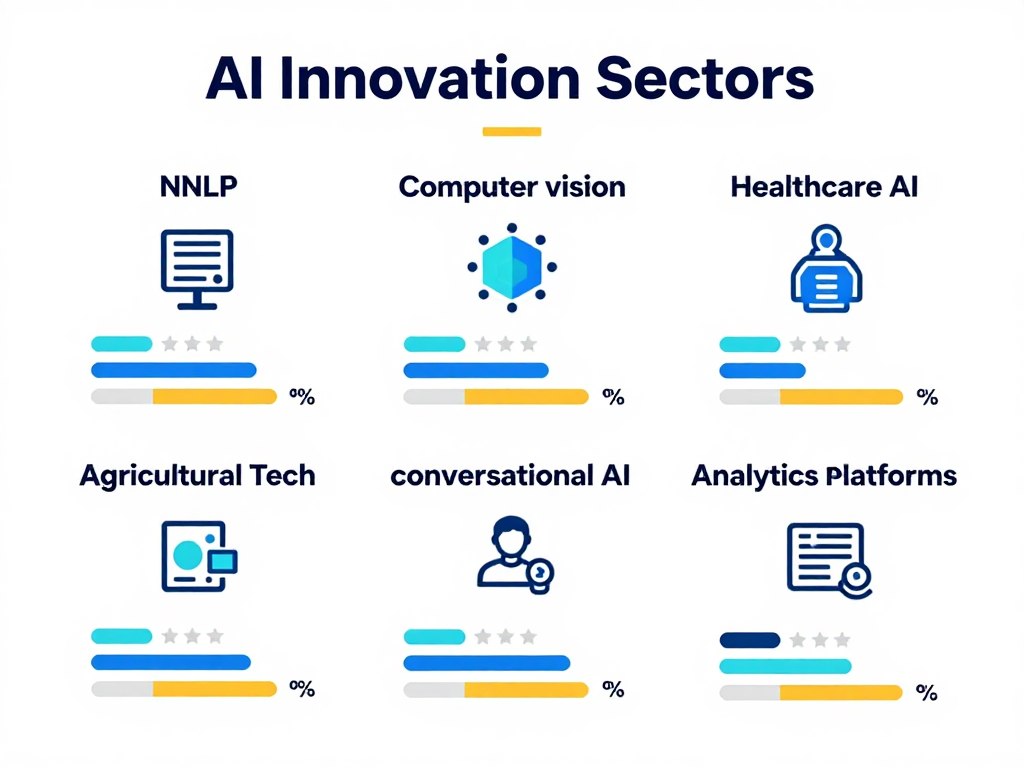
Upcoming AI companies in India focus on specific domains. Natural language processing for Indian languages gains prominence. Speech recognition systems handle regional dialects with increasing accuracy.
Computer vision applications span agriculture monitoring to healthcare diagnostics. Conversational platforms enable customer service automation. Analytics tools help enterprises extract insights from massive datasets.
Enterprise AI Infrastructure Companies
These startups build foundational platforms that other businesses leverage. They create tools for data processing, model deployment, and automation at scale. Enterprise clients depend on their robust infrastructure solutions.
Sarvam AI: Building India’s Language Foundation
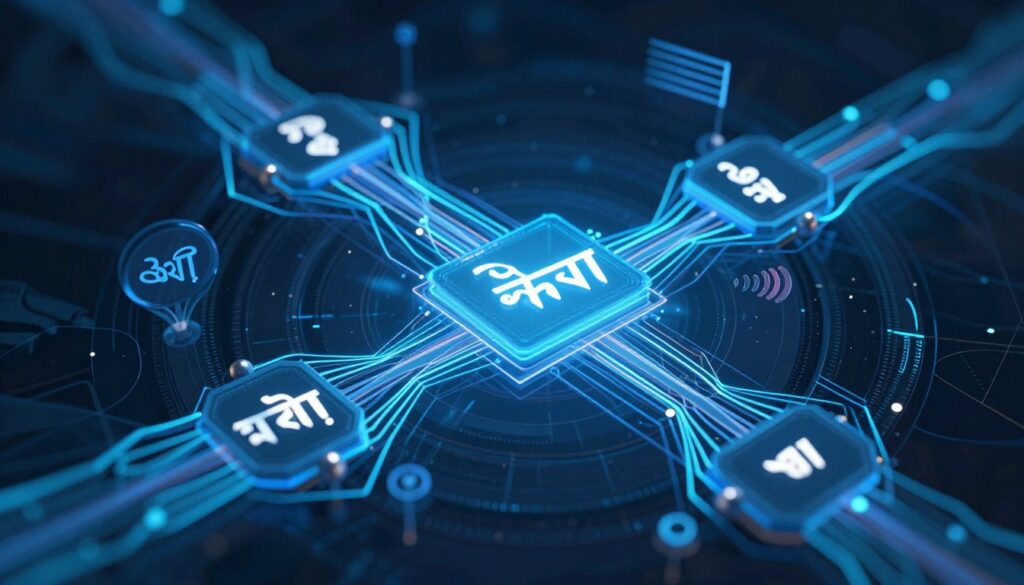
Sarvam AI develops large language models specifically for Indian languages. The company addresses the critical gap in multilingual AI capabilities. Their platform supports ten major Indian languages with native understanding.
Founded in 2023, Sarvam raised $41 million in funding. Venture partners including Lightspeed Venture Partners backed their vision. The company focuses on creating voice and text models that comprehend cultural context.
Their conversational platform enables businesses to deploy customer service automation. Enterprises across banking, e-commerce, and government sectors use their technology. The platform processes speech recognition in real-time with high accuracy.
Key Achievement: Sarvam’s models achieve 94% accuracy in Hindi speech recognition, outperforming global competitors by 12% for Indian accent variations.
Krutrim: Ola’s AI Ambition
Krutrim represents Ola founder Bhavish Aggarwal’s entry into artificial intelligence. The startup aims to build India’s first complete AI stack. This includes language models, cloud infrastructure, and specialized chips.
Launched in 2023, Krutrim secured unicorn status within months. The company raised funding at a $1 billion valuation. Their large language model supports 20 Indian languages for conversation and content generation.
The platform targets enterprise customers needing localized AI solutions. Industries from logistics to healthcare evaluate their offerings. Krutrim plans to develop custom silicon for AI processing, reducing dependence on imported chips.
Neysa: AI Cloud Infrastructure Platform

Neysa provides specialized cloud infrastructure for AI workloads. The company offers GPU clusters optimized for training large models. Startups and enterprises rent computing power without capital investment.
Founded by NVIDIA veterans, Neysa understands hardware-software optimization. They raised $30 million in seed funding in 2023. Their platform delivers 40% cost savings compared to international cloud providers.
Customers include AI startups requiring burst capacity for model training. Research institutions use their infrastructure for academic projects. The company plans expansion to multiple cities by late 2026.
Infrastructure Advantages
- NVIDIA H100 GPU availability
- Low-latency networking infrastructure
- Flexible pricing models
- Data residency compliance
- 24/7 technical support
Conversational AI and Voice Technology Leaders
Voice interfaces transform how customers interact with businesses. These companies specialize in natural language understanding and speech recognition. Their platforms handle millions of conversations daily across multiple languages.
Bhashini: Government-Backed Language Platform
Bhashini operates as a national language translation mission. The government initiative aims to break language barriers across India. The platform offers translation and transcription services for 22 scheduled Indian languages.
Launched in 2022, Bhashini provides open-source models for developers. Startups integrate its APIs to add multilingual capabilities. The ecosystem approach accelerates language technology adoption nationwide.
Government services use Bhashini for citizen communication. Digital India initiatives leverage the platform for accessibility. Educational institutions deploy it for content localization across states.
Gnani.ai: Voice AI for Enterprise
Gnani.ai builds voice automation solutions for customer service operations. The company’s conversational platform handles support calls without human intervention. Their technology understands context, sentiment, and intent across Indian languages.
Founded in 2016, Gnani.ai has processed over 500 million voice interactions. Enterprise clients include banks, telecom operators, and e-commerce platforms. The company raised $10 million in Series A funding.
Their speech recognition engine achieves 90% accuracy for regional dialects. The platform reduces customer service costs by 60% while improving response time. Integration takes weeks rather than months compared to legacy systems.
| Feature | Capability | Accuracy | Languages Supported |
| Speech Recognition | Real-time transcription | 90% | 12 Indian languages |
| Intent Detection | Context-aware understanding | 87% | 10 languages |
| Sentiment Analysis | Emotion recognition | 85% | 8 languages |
| Voice Biometrics | Speaker verification | 95% | Language independent |
Haptik: Conversational Commerce Platform

Haptik pioneered conversational AI for commerce applications. The platform enables businesses to build chatbots for sales and support. Fortune 500 companies use their technology to engage customers across messaging channels.
Reliance Industries acquired Haptik in 2019, accelerating its growth trajectory. The company serves clients across retail, banking, and travel sectors. Their platform handles over 4 billion conversations annually.
The technology supports text and voice interactions in 20 languages. Integration with WhatsApp, Facebook Messenger, and custom apps provides omnichannel experience. Businesses report 30% increase in customer engagement after deployment.
Download the Complete AI Startup Report 2026
Get detailed profiles of 100+ AI companies, funding analysis, and market forecasts in our comprehensive 85-page industry report.
Instant PDF delivery. No credit card required.
Healthcare AI: Transforming Medical Services
Healthcare faces acute challenges in India. AI solutions address diagnostic accuracy, access to specialists, and operational efficiency. These companies deploy technology that saves lives while reducing costs.
Niramai: AI-Powered Breast Cancer Detection

Niramai developed radiation-free breast cancer screening technology. Their solution uses thermal imaging combined with machine learning analytics. The platform detects abnormalities five years earlier than traditional methods.
Founded by two women entrepreneurs with engineering backgrounds, Niramai addresses critical healthcare needs. They raised $6 million in funding from impact investors. The technology costs 70% less than mammography while being completely safe.
Over 50 hospitals and diagnostic centers deploy Niramai’s solution. The company screened 100,000 women across India. Their approach proves particularly valuable in rural areas lacking advanced medical infrastructure.
Advantages
- No radiation exposure
- 70% cost reduction
- Portable equipment
- Earlier detection capability
- Suitable for all age groups
Limitations
- Requires trained operators
- Environmental conditions affect accuracy
- Not yet globally approved
Qure.ai: Medical Imaging Intelligence
Qure.ai applies deep learning to medical imaging interpretation. Their algorithms analyze X-rays, CT scans, and MRIs for multiple conditions. Radiologists use their platform to improve diagnostic accuracy and speed.
The company serves healthcare providers across 30 countries. They raised $40 million in Series C funding. Their TB screening solution processes chest X-rays in seconds with 95% accuracy.
Qure.ai partners with government health programs for population-level screening. Their technology helped screen millions during the COVID-19 pandemic. The platform identifies lung abnormalities, cardiovascular conditions, and neurological issues.
Tricog Health: Cardiac Care at Scale
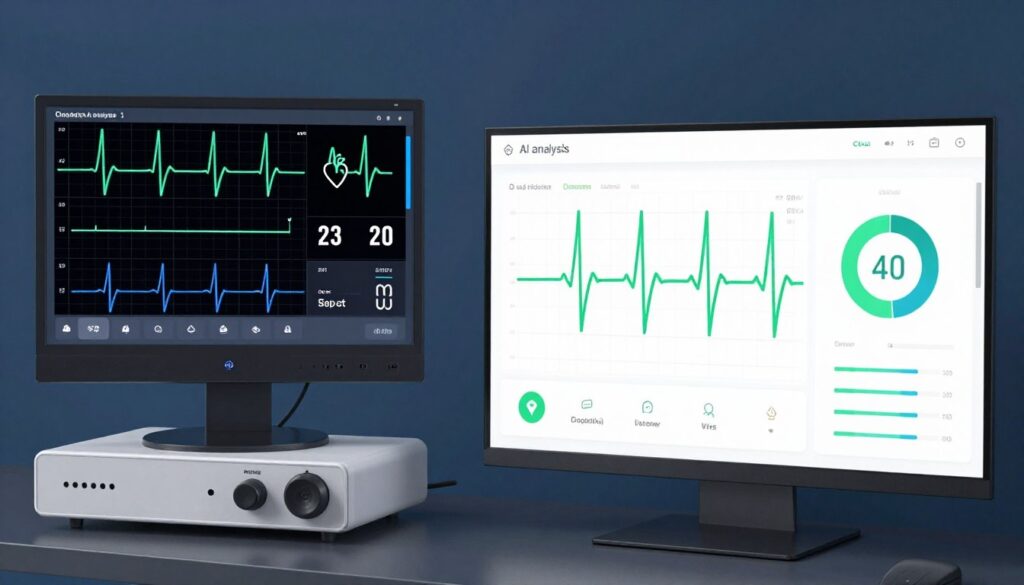
Tricog Health provides AI-powered cardiac diagnostics to hospitals. Their platform analyzes ECG readings instantly and connects patients with cardiologists remotely. This extends specialist access to underserved regions.
Founded in 2013, Tricog has interpreted over 10 million ECGs. The company raised $18 million in total funding. Their service operates in 800+ hospitals across India and Southeast Asia.
The technology reduces cardiac diagnostic time from hours to minutes. Critical cases receive priority routing to specialists. Patients in Tier 2 and Tier 3 cities access world-class cardiac care without travel.
Agricultural AI: Feeding India Smarter
Agriculture employs 50% of India’s workforce. AI applications optimize crop yields, reduce waste, and improve farmer incomes. These startups combine satellite imagery, IoT sensors, and machine learning for agricultural intelligence.
CropIn: Farm Management Platform

CropIn offers cloud-based farm management solutions powered by AI. Their platform monitors crop health using satellite imagery and ground sensors. Agribusinesses optimize operations across millions of acres using their analytics.
The company serves clients in 45 countries managing 15 million acres. CropIn raised over $50 million in funding. Their technology helps food companies ensure supply chain quality and sustainability.
Farmers receive recommendations on irrigation, fertilization, and pest control. The system predicts yields with 85% accuracy weeks before harvest. Financial institutions use CropIn’s data for agricultural lending decisions.
Intello Labs: Visual AI for Agriculture
Intello Labs applies computer vision to agricultural quality assessment. Their technology grades produce, detects diseases, and estimates yields through image analysis. The platform processes images from smartphones or fixed cameras.
Founded in 2016, the company serves food processors and retailers. They raised $5.9 million in funding from investors including Rocket Internet. Their solution reduces quality assessment time by 80% while improving consistency.
The platform identifies 200+ crop diseases across 15 crops. Processing facilities use it for automated grading and sorting. Retailers deploy the technology for inventory quality monitoring.

Fasal: IoT and AI for Precision Farming
Fasal combines IoT devices with AI analytics for precision agriculture. Their sensors monitor microclimate conditions on farms. Machine learning models provide actionable recommendations to optimize resource usage.
The startup raised $12 million in Series A funding. Thousands of farmers across India use Fasal’s technology. The platform reduces water consumption by 40% while increasing yields by 25%.
Sensors measure temperature, humidity, soil moisture, and other parameters. The AI system sends alerts about disease risks, irrigation needs, and optimal harvest timing. Farmers access insights through a mobile app in their local language.
Book a Consultation with Our AI Investment Experts
Get personalized guidance on evaluating AI startups, market opportunities, and due diligence strategies from analysts who track 500+ Indian AI companies.
Financial Services AI: Banking on Intelligence
Financial technology adopts AI for fraud detection, credit scoring, and customer service. These companies make banking more accessible while reducing risks. They process billions in transactions using sophisticated algorithms.
Perfios: Financial Data Analytics Platform
Perfios provides real-time financial data aggregation and analytics. Banks use their platform for instant credit decisioning. The technology analyzes bank statements, tax returns, and financial documents automatically.
Founded in 2008, Perfios processes 1.8 billion transactions annually. The company raised $80 million in funding. Over 900 financial institutions across 18 countries use their services.
Their AI extracts data from unstructured documents with 98% accuracy. Loan approval time reduces from days to minutes. The platform detects fraudulent documents by identifying manipulation patterns.
Scienaptic AI: Credit Underwriting Intelligence
Scienaptic AI revolutionizes credit risk assessment for lenders. Their platform uses alternative data sources and machine learning for accurate credit scoring. This expands financial inclusion for underbanked populations.
The company serves banks, NBFCs, and fintech lenders. Scienaptic raised $26 million in funding. Their models evaluate creditworthiness for customers without traditional credit histories.
The platform analyzes 1,000+ data points including digital footprints and behavioral patterns. Lenders report 40% reduction in default rates after deployment. Processing capacity handles 10 million credit decisions monthly.
Signzy: Digital KYC and Verification

Signzy automates customer onboarding and verification for financial services. Their AI platform validates identity documents, performs facial recognition, and completes KYC in minutes. Banks and fintechs reduce onboarding costs by 85%.
The company processes 100 million verifications annually. Signzy raised $35 million in funding. Their technology integrates with government databases for real-time authentication.
The platform supports video KYC, digital signatures, and ongoing customer monitoring. Financial institutions maintain regulatory compliance while improving customer experience. Integration takes less than a week using API-first architecture.
Retail and E-commerce AI Solutions
Retail businesses leverage AI for personalization, inventory optimization, and customer insights. These platforms process millions of transactions to deliver targeted experiences. They help businesses increase revenue while reducing operational costs.
Vue.ai: Visual AI for Fashion Retail
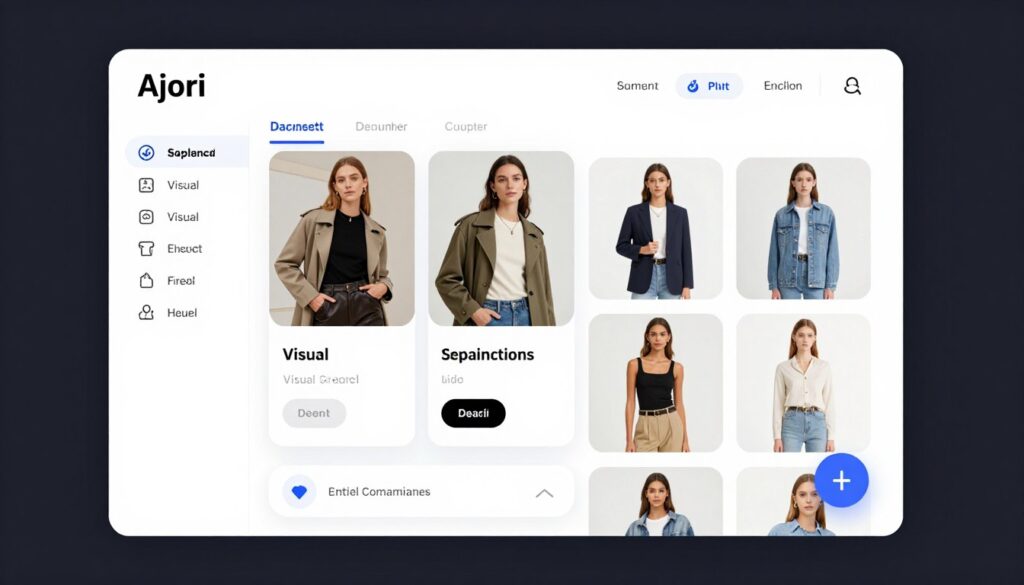
Vue.ai applies computer vision to fashion and lifestyle retail. Their platform automatically tags products, creates personalized recommendations, and optimizes catalog presentation. Major fashion brands use their technology to enhance online shopping experiences.
The company serves retailers across 25 countries. Vue.ai raised $17 million in funding. Their AI processes millions of product images daily for automated merchandising.
The technology identifies attributes like color, pattern, style, and occasion automatically. Shoppers discover products through visual search and smart recommendations. Retailers report 35% increase in conversion rates after implementation.
Locus: Logistics Optimization Platform
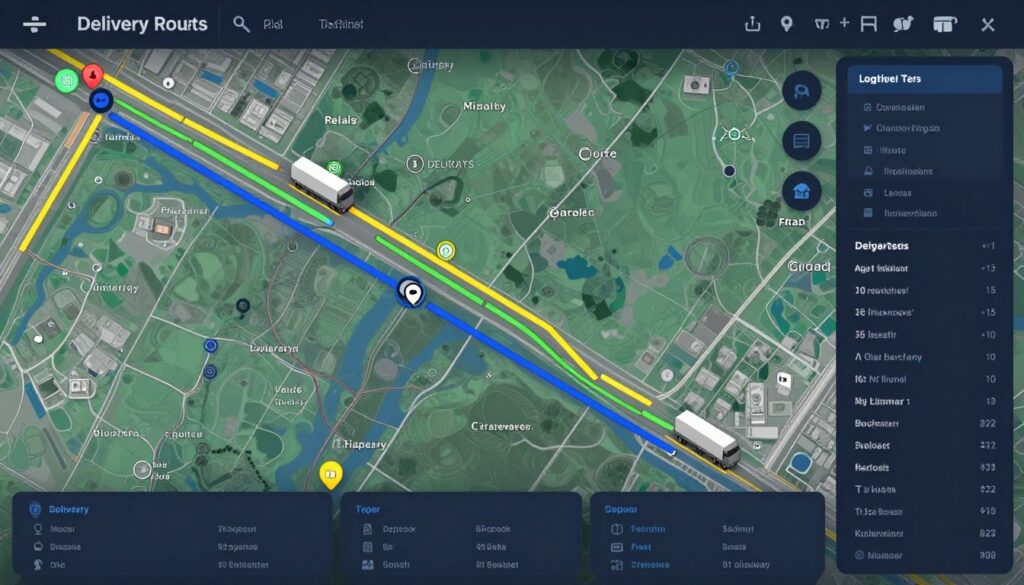
Locus uses AI for last-mile delivery optimization. Their platform plans routes, allocates deliveries, and predicts delays in real-time. E-commerce companies and logistics providers reduce costs while improving delivery speed.
Founded in 2015, Locus serves clients across 30 countries. The company raised $50 million in Series C funding. Their algorithms optimize over 1 million deliveries daily.
The platform considers traffic patterns, delivery time windows, and vehicle capacity constraints. Companies reduce logistics costs by 25% while increasing on-time deliveries. The system adapts to real-time disruptions automatically.
Wysa: Mental Health AI Companion
Wysa offers AI-powered mental health support through conversational interfaces. Their chatbot provides evidence-based therapeutic techniques for stress, anxiety, and depression. Users access mental health support anytime without stigma.
The platform serves 5 million users globally. Wysa raised $20 million in funding. Healthcare providers and employers offer their service as part of wellness programs.
The AI uses cognitive behavioral therapy techniques in conversations. Clinical studies validate the effectiveness of their approach. Users show measurable improvement in mental health outcomes after regular engagement.
Funding Landscape and Investment Trends
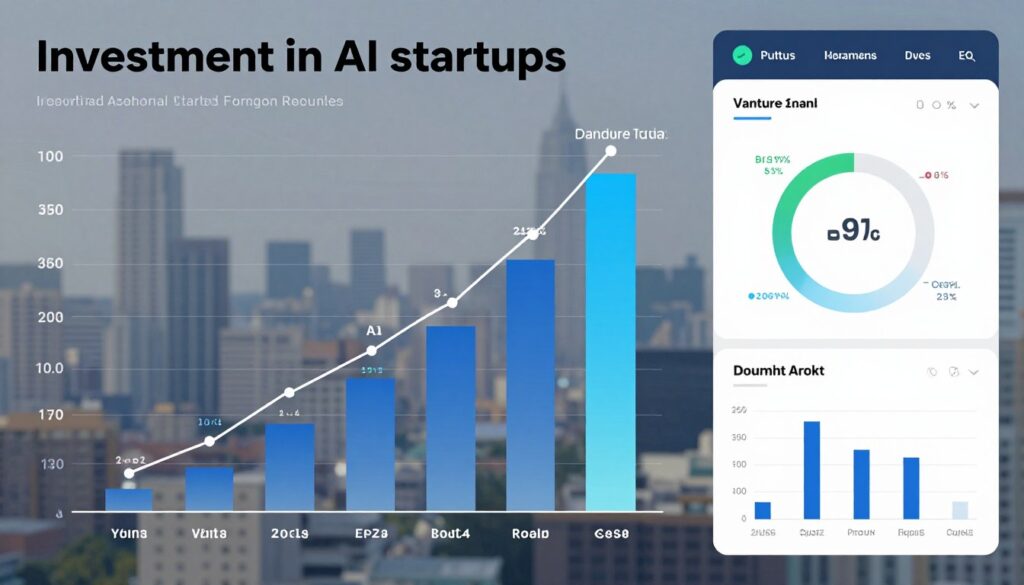
Investment in Indian AI startups reached record levels. Venture partners deployed $3.5 billion across the sector in 2025. Both domestic and international investors recognize the opportunity.
Early-stage funding rounds have grown substantially. Seed investments average $2-5 million for promising teams. Series A rounds typically raise $10-25 million for companies showing market traction.
Major Investment Rounds 2024-2026
| Company | Round | Amount | Lead Investor | Valuation |
| Krutrim | Series A | $50M | Undisclosed | $1B (Unicorn) |
| Sarvam AI | Series A | $41M | Lightspeed Venture Partners | Undisclosed |
| Qure.ai | Series C | $40M | Health Quad | $450M |
| Signzy | Series B | $35M | Gaja Capital | $200M |
| Neysa | Seed | $30M | NTTVC, Nexus VP | Undisclosed |
| Scienaptic AI | Series B | $26M | Celesta Capital | $150M |
| Wysa | Series B | $20M | HealthQuad | $95M |
Key Investor Categories
Several investor types actively fund AI startups. Venture partners include traditional VCs, corporate venture arms, and impact investors. Each brings different value beyond capital.
Venture Capital Firms
Traditional VC firms lead most growth-stage rounds. They provide strategic guidance and network access.
- Sequoia Capital India
- Lightspeed Venture Partners
- Accel Partners
- Matrix Partners India
Corporate Investors
Large enterprises invest for strategic partnerships and technology access.
- Google Ventures
- Microsoft M12
- Reliance Ventures
- Tata Capital
Sector-Specific Funds
Specialized funds focus on particular industries or technologies.
- HealthQuad (Healthcare)
- Omnivore (AgTech)
- Blume Ventures (Early-stage)
- Prime Venture Partners
Revenue Models and Unit Economics
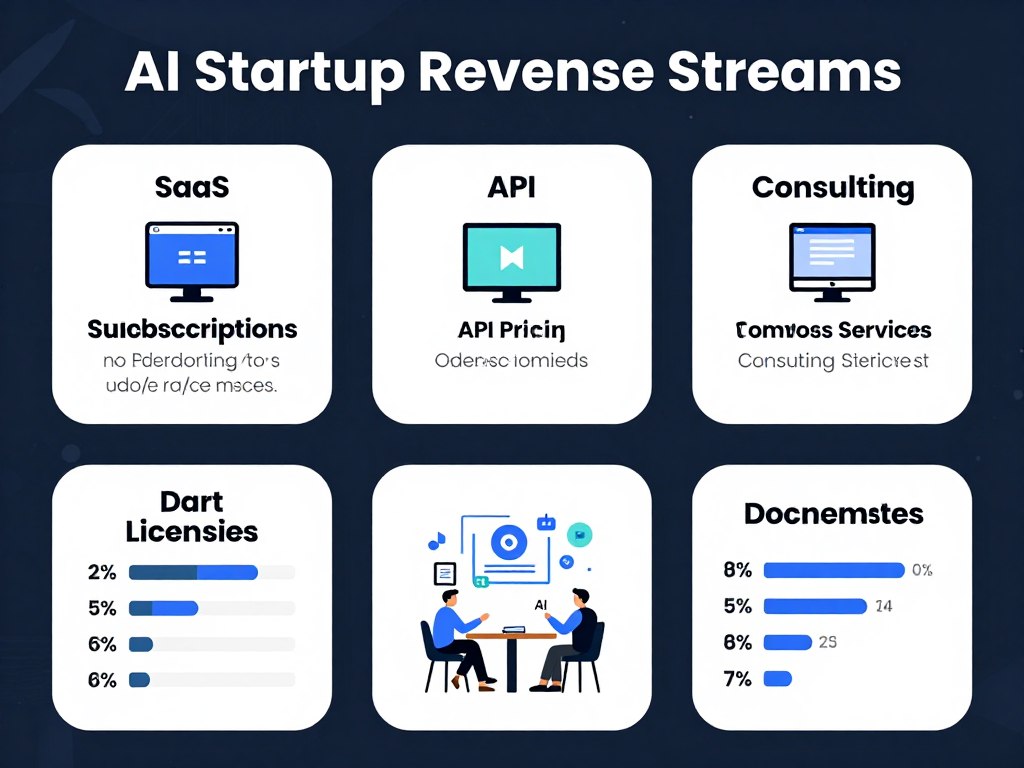
Successful startups demonstrate clear paths to profitability. SaaS models dominate with recurring revenue from enterprise subscriptions. API-based pricing scales with customer usage.
Companies targeting enterprise clients charge $50,000-500,000 annually per customer. High-volume transaction businesses earn fractions of cents per API call. Consulting and implementation services provide additional revenue streams.
Healthy startups maintain gross margins above 70%. Customer acquisition costs payback within 12-18 months. Lifetime value to customer acquisition cost ratios exceed 3:1 for sustainable growth.
Explore Partnership Opportunities
Connect with AI startups for technology partnerships, pilot programs, or strategic collaborations. Our platform facilitates introductions to pre-vetted companies aligned with your business needs.
Visionary Founders Building AI Future
Behind every successful startup stands a founding team with vision and execution capability. These entrepreneurs combine technical expertise with market understanding. Their backgrounds reveal patterns common among AI startup leaders.
Educational Backgrounds

Most founders hold advanced degrees from premier institutions. IITs, IISc, and top international universities dominate educational profiles. Many possess PhDs in computer science, machine learning, or related fields.
Engineering backgrounds provide technical foundation. Business school experience adds strategic thinking. Increasingly, founders pursue AI-specific programs at Stanford, MIT, and Carnegie Mellon before returning to India.
Industry Experience Patterns
Successful founders typically work 8-15 years before starting ventures. They gain experience at technology giants, consulting firms, or previous startups. This builds domain expertise and professional networks.
Common career paths include stints at Google, Microsoft, Amazon, or Indian IT services companies. Some founders held senior engineering roles at Fortune 500 enterprises. Others built and sold previous companies before current ventures.
Profile: Niramai Founders
Geetha Manjunath and Nidhi Mathur exemplify the new generation of deep-tech entrepreneurs. Both hold engineering degrees and worked in multinational technology companies.
- 20+ years combined tech experience
- Patents in medical imaging
- Background in machine learning and signal processing
- Focus on social impact alongside business growth

Repeat Entrepreneurs
Serial entrepreneurs bring valuable lessons from previous ventures. Bhavish Aggarwal founded Krutrim after building Ola into a unicorn. His experience scaling consumer technology applies to AI infrastructure.
These founders access capital more easily based on track records. They leverage existing networks for hiring and partnerships. Understanding mistakes from previous ventures improves execution speed.
“Building AI for India requires understanding local context deeply. Solutions that work globally often fail here without adaptation to languages, infrastructure, and use cases unique to our market.”
Emerging AI Application Sectors
Beyond established domains, new sectors adopt AI solutions. These emerging areas present significant opportunities for startups. Early movers establish competitive advantages in nascent markets.
Legal Technology and Compliance

Legal AI automates document review, contract analysis, and compliance monitoring. Startups like SpotDraft and LawRato apply natural language processing to legal text. Law firms and corporate legal departments adopt these tools for efficiency.
The technology extracts clauses, identifies risks, and suggests edits automatically. Processing contracts that took hours now completes in minutes. Accuracy improves as models learn from lawyer feedback.
Education Technology with AI
Educational platforms integrate AI for personalized learning experiences. Systems adapt content difficulty based on student performance. Teachers receive insights about individual learning gaps.
Companies like Byju’s and Vedantu incorporate AI tutors alongside human instruction. The technology provides instant feedback on practice problems. Content recommendations match each student’s learning pace and style.
Language learning apps use speech recognition for pronunciation correction. Assessment platforms detect cheating and evaluate subjective answers. Administrative tasks like grading and attendance automate completely.
Manufacturing and Quality Control

Computer vision systems inspect products for defects on assembly lines. These solutions detect microscopic flaws invisible to human inspectors. Manufacturers reduce defect rates while increasing inspection speed.
Predictive maintenance systems analyze sensor data to forecast equipment failures. Factories schedule maintenance before breakdowns occur. This reduces downtime costs by 40% in heavy industries.
Process optimization AI adjusts parameters in real-time for maximum efficiency. Energy consumption decreases while output quality improves. Indian manufacturers compete globally using these intelligent systems.
Challenges Facing AI Startups in India
Despite rapid growth, startups encounter significant obstacles. Understanding these challenges helps set realistic expectations. Companies developing mitigation strategies survive and thrive.
Talent Acquisition and Retention

Competition for AI talent remains intense. Global technology companies offer attractive compensation packages. Startups struggle to match salaries from Google, Microsoft, or Facebook.
Experienced machine learning engineers command premium salaries. Teams often require 5-10 specialists across data science, engineering, and research. Building capabilities internally takes years of investment.
Retention challenges compound acquisition difficulties. Engineers join for learning opportunities but leave for higher pay. Stock options help but require years to vest and realize value.
Industry Insight: Average AI engineer salaries in India range from $25,000-80,000 annually depending on experience. Senior roles at startups often include 0.5-2% equity stakes to compete with established companies.
Data Access and Quality
Machine learning models require massive datasets for training. Accessing quality labeled data presents ongoing challenges. Privacy regulations limit collection and usage of personal information.
Healthcare startups need medical images but face strict patient confidentiality rules. Financial services AI requires transaction data protected by banking regulations. Creating synthetic datasets helps but doesn’t fully replicate real-world complexity.
Data labeling costs constitute major expenses. Annotating images, transcribing audio, and tagging text requires human effort. Quality control ensures labeling accuracy but adds time and cost.
Infrastructure and Computing Costs
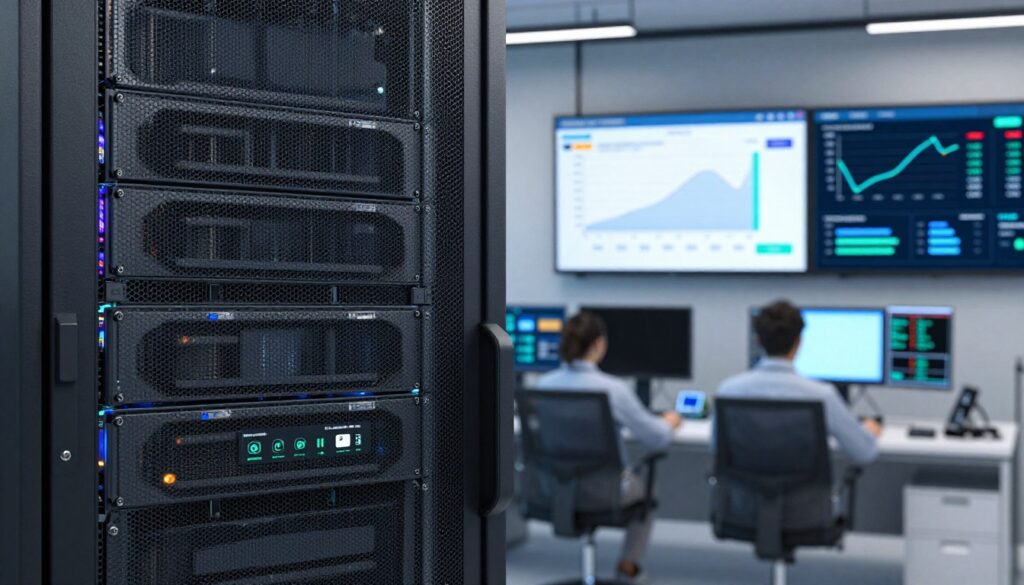
Training large models demands expensive GPU clusters. Cloud computing costs strain startup budgets. A single training run for advanced models costs $10,000-100,000.
Continuous experimentation requires sustained infrastructure investment. Serving models at scale adds operational costs. Optimizing inference speeds without sacrificing accuracy requires engineering expertise.
Solutions like Neysa provide cost-effective infrastructure but capacity remains limited. Government cloud initiatives help research institutions but commercial startups pay market rates. Hardware costs affect unit economics significantly.
Go-to-Market Challenges
Enterprise sales cycles extend 6-18 months from first contact to contract. Large organizations require extensive proof-of-concept projects. Technical validation, security reviews, and procurement processes slow adoption.
Building brand awareness requires marketing investment. Startups compete against established software vendors with existing customer relationships. Demonstrating ROI convincingly takes time and resources.
International expansion faces regulatory hurdles. Data localization requirements complicate cross-border operations. Each market requires customization for local languages and business practices.
Government Support and Policy Framework
Government initiatives accelerate AI ecosystem development. Policy frameworks encourage innovation while addressing ethical concerns. Public-private partnerships bridge gaps in infrastructure and talent.
National AI Strategy

The National Strategy for Artificial Intelligence outlines vision for AI-led growth. Focus areas include healthcare, agriculture, education, smart cities, and infrastructure. The government positions AI as a tool for inclusive development.
NITI Aayog coordinates AI initiatives across ministries. The strategy emphasizes building foundational capabilities before applications. Research excellence, data platform development, and skill creation receive priority.
Ethical frameworks guide AI deployment in public services. Guidelines address privacy, bias, transparency, and accountability. Regulations balance innovation encouragement with risk mitigation.
Startup India AI Initiative
The Startup India program provides recognition and benefits for registered startups. AI companies access tax exemptions for initial three years. Fast-track patent examination reduces intellectual property protection time.
Government procurement policies reserve opportunities for startups. Public sector organizations pilot innovative solutions from new companies. This provides revenue and reference customers for scaling.
Funding support comes through schemes like the Fund of Funds. The government commits capital to SEBI-registered venture funds. These funds invest in early-stage startups including AI companies.
Research and Development Support

Centers of Excellence at premier institutions advance AI research. IITs, IISc, and IIIT Hyderabad host government-funded research centers. These facilities collaborate with industry on practical applications.
The Department of Science and Technology funds research projects. Grants support fundamental AI research and applied development. Academic-industry partnerships translate research into commercial products.
Data sharing initiatives provide training datasets for researchers. Government departments anonymize and release datasets for public use. This addresses data access challenges for startups and academics.
Skills Development Programs
NSDC and industry partners offer AI skills training. Programs target students, working professionals, and job seekers. Curriculum covers fundamentals through advanced machine learning techniques.
Universities introduce AI specializations in undergraduate and graduate programs. Online platforms democratize access to quality education. Massive open online courses reach learners nationwide.
Corporate training initiatives upskill existing employees. Technology companies invest in reskilling programs for AI roles. This expands the talent pool beyond fresh graduates.
Future Outlook: AI in India 2026 and Beyond

The AI landscape in India 2026 shows tremendous promise. Current trajectory suggests continued acceleration in adoption and innovation. Several trends shape the upcoming years.
Market Size and Growth Projections
The Indian AI market reached $7.8 billion in 2025. Projections estimate growth to $35 billion by 2030. This represents a compound annual growth rate exceeding 35%.
Enterprise spending on AI solutions increases as ROI becomes clearer. Industry adoption expands beyond early adopters to mainstream businesses. Government digitalization initiatives drive public sector spending.
Export potential remains largely untapped. Indian AI companies serve clients in 40 countries currently. International revenue could exceed domestic revenue by 2028 as products mature.
Technology Advancement Areas
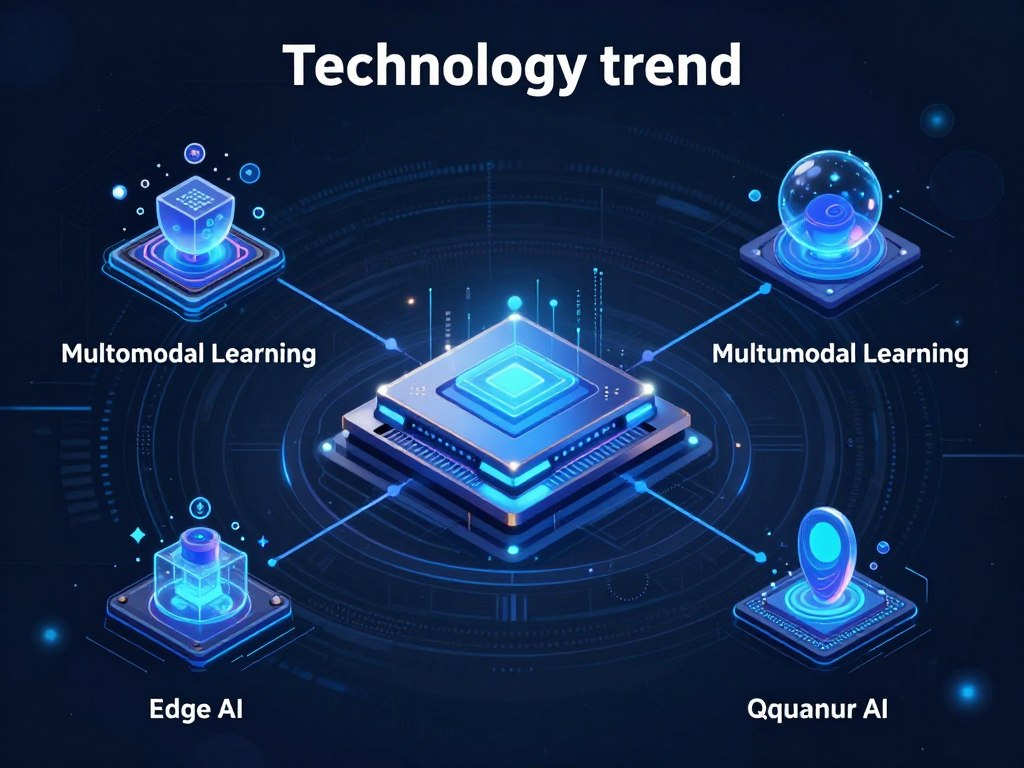
Large language models for Indian languages will reach GPT-4 performance levels. Voice interfaces achieve near-human conversation quality across regional dialects. Multimodal AI combining text, speech, and vision emerges.
Edge AI deployment increases as 5G networks expand. Processing shifts closer to data sources for lower latency. IoT device intelligence grows without constant cloud connectivity.
Specialized AI chips designed in India reduce hardware import dependence. Startups develop custom silicon optimized for specific workloads. This improves performance while lowering costs.
Industry Transformation Predictions
Healthcare AI achieves mainstream adoption in diagnostics and treatment planning. Telemedicine platforms integrate AI doctors for preliminary assessments. Drug discovery timelines compress from years to months.
Agriculture sees precision farming become standard practice. Satellite imagery and IoT sensors blanket farmland. Farmers make data-driven decisions on every crop cycle stage.
Financial services complete digital transformation with AI at the core. Credit decisions happen instantly for most borrowers. Fraud detection achieves near-perfect accuracy through behavioral analysis.
Unicorn Pipeline
Five to ten AI startups may achieve unicorn status by 2027. Companies demonstrating strong revenue growth and market leadership attract mega-rounds. Enterprise infrastructure platforms and vertical SaaS companies lead candidates.
Later-stage funding rounds grow larger as companies scale internationally. Series C and D rounds exceed $100 million for proven businesses. Public market debuts become realistic for top performers.
| Company Category | Current Leaders | Unicorn Probability | Estimated Timeline |
| Language AI | Sarvam AI, Krutrim | High | 2026-2027 |
| Healthcare AI | Qure.ai, Niramai | Medium-High | 2027-2028 |
| Financial AI | Signzy, Perfios | Medium | 2027-2028 |
| Agricultural AI | CropIn, Intello Labs | Medium | 2028-2029 |
Regulatory Evolution
India will likely introduce comprehensive AI regulations by 2027. These frameworks balance innovation with consumer protection. Data privacy laws evolve to address AI-specific concerns.
Algorithmic transparency requirements may apply to high-risk applications. Audit mechanisms ensure fairness in credit, hiring, and law enforcement AI. Industry self-regulation precedes formal legislation.
International cooperation on AI governance increases. India participates in global standard-setting discussions. Cross-border data flows receive clarity through bilateral agreements.
Take Action on India’s AI Opportunity
Whether you’re an investor, entrepreneur, or enterprise leader, now is the time to engage with India’s AI ecosystem. Choose the path that aligns with your goals:
- Access curated deal flow
- Detailed company due diligence
- Market intelligence reports
- Co-investment opportunities
- Portfolio company introductions
For Investors
- AI readiness assessment
- Vendor evaluation support
- Pilot program design
- Implementation guidance
- ROI tracking frameworks
For Enterprises
- Startup ecosystem navigation
- Funding strategy consulting
- Mentor network access
- Go-to-market planning
- Investor introduction services
For Entrepreneurs
Speak with an AI Ecosystem Expert
Additional Promising AI Companies to Watch
Beyond the featured companies, numerous startups demonstrate strong potential. These organizations tackle diverse problems with innovative approaches. Early-stage companies often offer highest investment returns.
Fractal Analytics: Enterprise Analytics Platform
Fractal Analytics provides AI-powered decision support for Fortune 500 companies. Their platform combines data engineering, analytics, and machine learning. Clients span consumer goods, financial services, healthcare, and technology sectors.
Founded in 2000, Fractal has grown into a mature AI services company. They employ over 4,000 data scientists and engineers globally. Revenue exceeds $200 million with operations across four continents.
The company develops industry-specific AI solutions rather than generic platforms. Retail clients use their demand forecasting and pricing optimization. Banks deploy their credit risk and fraud detection models. Their consulting approach combines technology with business strategy.
Niki.ai: Conversational Commerce Assistant
Niki.ai built a chat-based platform for ordering services and products. Users book cabs, pay bills, and shop through natural language conversations. The platform integrates with 60+ service providers.
The startup raised $17 million from investors including Ratan Tata and Unilazer Ventures. They process millions of transactions monthly for users across India. The system handles Hindi and English conversations fluently.
Niki.ai targets the next billion internet users coming online through smartphones. Their interface eliminates navigation complexity. Users simply type what they need in conversational language.

SigTuple: AI for Medical Diagnostics
SigTuple applies computer vision to automate medical lab diagnostics. Their devices analyze blood samples, urine tests, and other specimens. Results arrive faster with consistent accuracy compared to manual analysis.
The company raised $19 million in funding from Accel and others. Over 500 diagnostic labs use SigTuple’s technology. Their systems process 50,000 samples daily across India.
Pathologists review AI-flagged anomalies rather than examining every sample. This improves efficiency while maintaining diagnostic quality. Rural hospitals access sophisticated diagnostic capabilities through the technology.
Active.ai: Conversational Banking Platform
Active.ai enables banks to deploy AI-powered virtual assistants. Their platform handles customer queries, processes transactions, and provides financial advice. Over 100 million users interact with their technology globally.
Banks across Southeast Asia, Middle East, and India deploy Active.ai solutions. The platform supports 35 languages including multiple Indian languages. Integration with core banking systems takes 8-12 weeks.
Customers check balances, transfer money, and get spending insights through chat. The AI understands financial terminology and complex multi-step requests. Banks reduce call center volumes by 40% after deployment.

Sigtuple: Democratizing Healthcare Diagnostics
Another perspective on medical AI comes from companies like Sigtuple. They focus on making advanced diagnostics accessible in resource-limited settings. Their screening tools identify diseases at earlier stages.
The technology requires minimal training for operation. Technicians run samples while AI handles complex analysis. Doctors receive detailed reports highlighting concerns requiring attention.
This democratization extends specialist-level diagnostics to remote areas. Patients avoid traveling to major cities for basic tests. Early disease detection improves treatment outcomes significantly.
Mad Street Den: Retail AI Platform
Mad Street Den provides AI solutions for fashion and lifestyle retail. Their platform automates product tagging, creates visual search, and personalizes recommendations. Global fashion brands use their technology.
The company raised $16 million in funding. They serve retailers in 30 countries processing billions of product images. Their computer vision models understand fashion attributes and styles.
Shoppers find products through image uploads rather than text search. The AI suggests complementary items and complete outfits. Retailers report 25% increase in average order value.

AI Sector Comparison and Opportunities
Different AI sectors present varying opportunity profiles. Investment requirements, competition levels, and growth potential differ significantly. Understanding these nuances guides strategic decisions.
Sector Maturity Analysis
| Sector | Maturity Stage | Competition Level | Average Funding | Time to Revenue | Growth Potential |
| Healthcare AI | Growth | Medium | $15-40M | 18-24 months | Very High |
| Fintech AI | Mature | High | $10-35M | 12-18 months | High |
| AgriTech AI | Early Growth | Low-Medium | $5-15M | 15-20 months | Very High |
| Retail AI | Growth | High | $8-20M | 10-15 months | High |
| Language AI | Early | Medium | $20-50M | 24-36 months | Very High |
| Infrastructure AI | Early | Low | $25-60M | 18-30 months | High |
Market Entry Barriers by Sector
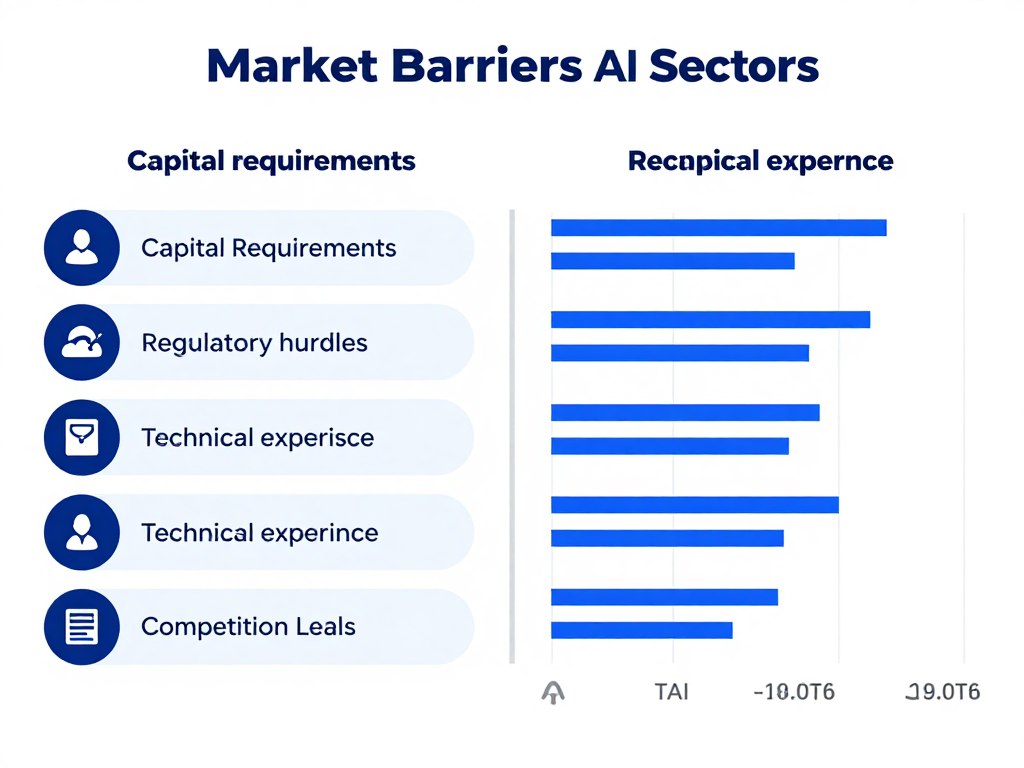
Healthcare AI faces stringent regulatory requirements and lengthy validation cycles. Clinical trials and certifications delay commercialization. However, successful products enjoy high margins and defensibility.
Financial services AI requires robust security and compliance infrastructure. Banking partnerships take time to establish but provide stable revenue. Data sensitivity creates moats against new entrants.
Agricultural AI encounters go-to-market challenges reaching fragmented farmer populations. Distribution requires partnerships with input suppliers or cooperatives. Product-market fit demands deep agricultural domain knowledge.
Language AI needs massive compute resources and specialized talent. Training large models costs millions. But successful platforms capture significant value across applications.
Strategic Investment Approaches
Investors employ different strategies based on risk tolerance and expertise. Portfolio construction balances stage, sector, and geography considerations. Successful investors combine pattern recognition with deep diligence.
Stage-Based Investment Strategies
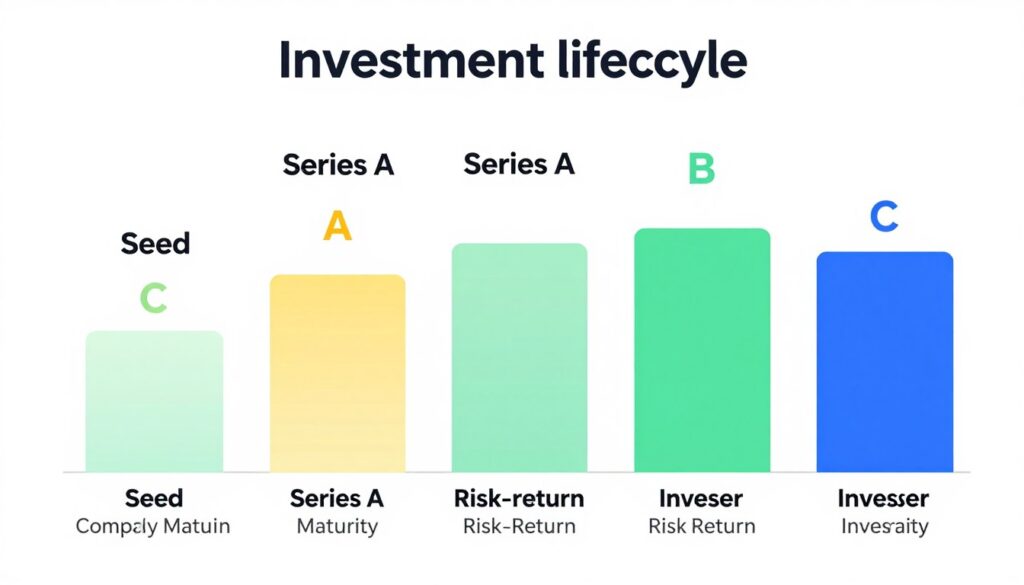
Early-stage investors focus on team quality and market opportunity. They bet on founders before product validation. Portfolio approach spreads risk across 20-30 companies expecting few big winners.
Growth-stage investors require proven business models and revenue traction. They evaluate unit economics, market position, and scalability. Larger check sizes demand higher conviction and fewer bets.
Late-stage investors optimize for risk-adjusted returns near exit. They analyze path to profitability and public market readiness. Participation provides exposure to winners with reduced risk.
Sector Specialization vs Generalist Approach
Sector specialists develop deep domain expertise in healthcare, fintech, or agriculture. This enables better evaluation of technical capabilities and market dynamics. Network effects compound as portfolio companies refer opportunities.
Generalist investors maintain flexibility across sectors. They follow talent and opportunities regardless of domain. This diversification reduces exposure to sector-specific downturns.
Hybrid approaches combine core expertise with opportunistic investments. Funds maintain thesis-driven focus while remaining open to exceptional outliers.
Due Diligence Framework for AI Startups
Technical Assessment
- Model architecture review and innovation
- Data quality and quantity evaluation
- Infrastructure scalability analysis
- Intellectual property strength
- Technical team capabilities
- Development roadmap feasibility
Commercial Evaluation
- Market size and growth potential
- Competitive positioning analysis
- Customer acquisition strategy
- Revenue model sustainability
- Unit economics and margins
- Expansion opportunities
India’s Global AI Competitiveness
Indian AI companies increasingly compete on the global stage. Cost advantages combine with technical excellence. Several factors determine international success potential.
Competitive Advantages
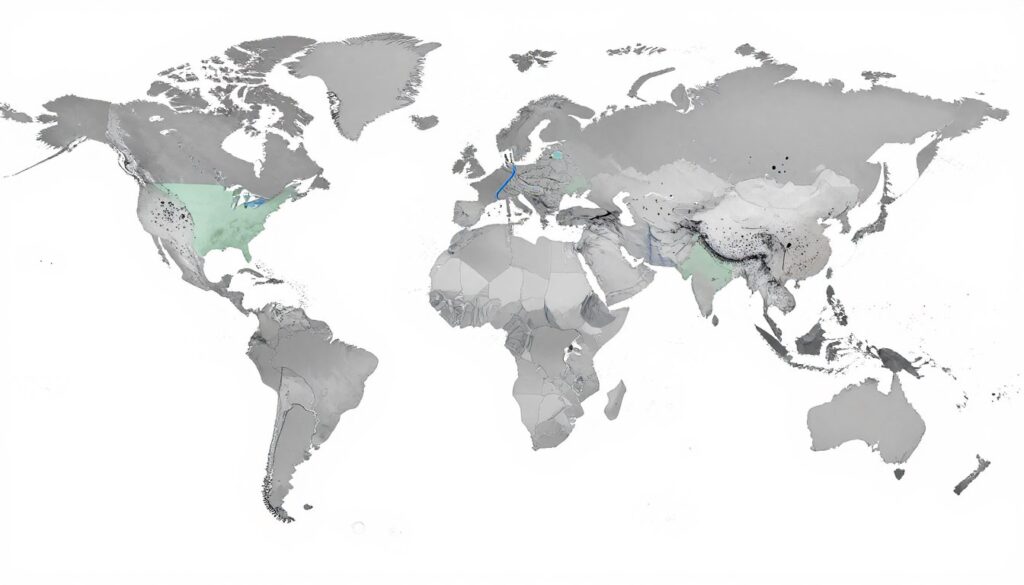
Development costs in India remain 40-60% lower than Silicon Valley. Engineering talent quality matches global standards at fraction of cost. This enables capital-efficient growth and attractive margins.
Access to diverse data from 1.4 billion people creates unique training datasets. Models learn from varied languages, cultures, and use cases. Products developed for India’s complexity work elsewhere easily.
Problem-solving skills honed in resource-constrained environments drive innovation. Frugal engineering creates solutions working with limited connectivity and computing power. These attributes appeal to emerging markets globally.
Areas Requiring Improvement
Brand perception lags technical reality for Indian AI companies. Overcoming “outsourcing” stereotypes requires demonstrated product excellence. Customer case studies and analyst recognition build credibility.
Sales and marketing capabilities need strengthening for international markets. Understanding local business cultures and buying processes takes investment. Hiring country-specific teams accelerates expansion.
Access to cutting-edge research lags US and Chinese institutions. Collaborations with global universities and attracting top researchers helps. Publication in premier conferences and journals builds reputation.
Export Success Stories
Several companies demonstrate global competitiveness. Fractal Analytics serves Fortune 100 clients worldwide. CropIn manages farms across five continents. Qure.ai deploys in 30 countries.
These successes prove Indian AI companies compete on value, not just cost. Product quality, customer success, and innovation drive international growth. Future unicorns will likely generate majority revenue internationally.
Key Ecosystem Stakeholders and Their Roles
A thriving AI ecosystem requires multiple participants playing complementary roles. Understanding stakeholder motivations helps navigate the landscape effectively.
Accelerators and Incubators
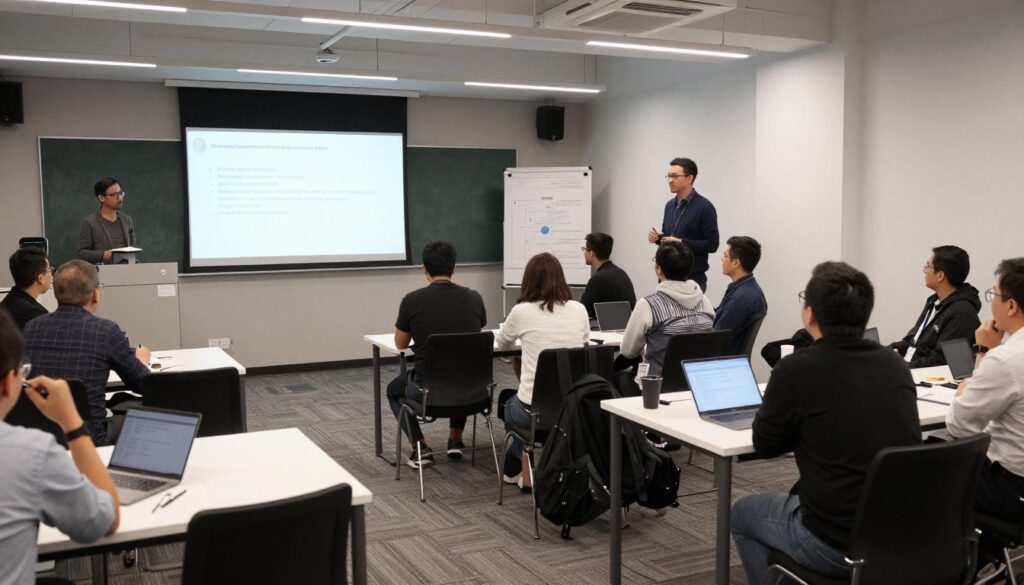
Programs like NASSCOM 10,000 Startups and Microsoft Accelerator support early-stage companies. They provide mentorship, infrastructure, and network access. Cohort-based programs run 3-6 months.
Participants receive workspace, cloud credits, and legal support. Mentor networks include successful entrepreneurs and domain experts. Demo days connect startups with investors.
Corporate accelerators from Google, Amazon, and others offer industry-specific support. Selected companies get pilot opportunities with enterprise customers. Technical mentorship helps optimize product development.
Industry Associations
NASSCOM represents IT and AI companies in policy discussions. The association advocates for favorable regulations and tax policies. They organize conferences bringing together ecosystem participants.
Analytics and AI forums facilitate knowledge sharing across companies. Best practices, talent development, and ethics receive focused attention. Working groups address common challenges collectively.
Academic Institutions

IITs, IISc, and IIIT institutions conduct fundamental AI research. Sponsored research programs connect academics with industry problems. Students gain practical experience through internships and projects.
Technology transfer offices help commercialize research breakthroughs. Faculty members increasingly start companies based on research. Universities benefit from equity stakes and licensing revenue.
Continuing education programs upskill working professionals. Executive courses attract mid-career individuals transitioning to AI roles. Online offerings reach learners nationally.
Media and Analyst Coverage
Technology media tracks ecosystem developments and funding announcements. Coverage increases visibility for startups seeking customers and talent. Analyst firms provide market intelligence to investors and enterprises.
Conferences and awards recognize achievements and innovation. These platforms facilitate networking and partnership discussions. Speaking opportunities establish thought leadership.
Practical Guidance for Ecosystem Participants
Actionable advice helps different stakeholders navigate the AI ecosystem effectively. These insights come from observing successful companies and investors.
For Aspiring AI Entrepreneurs
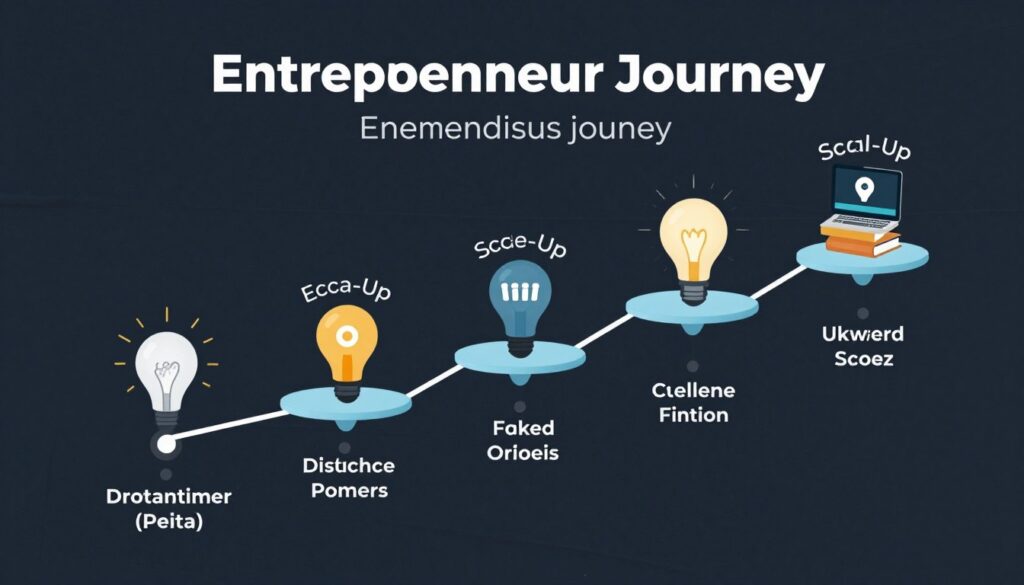
Start with a clear problem worth solving. Technology should serve real customer needs, not seek problems. Validate demand before heavy development investment.
Build a balanced founding team combining technical and business skills. AI expertise alone insufficient for success. Sales, operations, and finance capabilities matter equally.
Focus on one domain initially rather than building horizontal platforms. Deep expertise in healthcare, finance, or agriculture creates competitive advantages. Expansion comes after establishing leadership.
For Enterprise Buyers Evaluating AI Solutions
Start with business objectives, not technology exploration. Define success metrics before vendor evaluation. Unclear goals lead to pilot purgatory without production deployment.
Assess data readiness before engaging vendors. AI quality depends on training data availability. Data cleaning and labeling require significant effort.
Plan for change management and user adoption. Technology alone doesn’t guarantee success. Training, communication, and incentives drive usage.
Common Pitfall: Enterprises often underestimate integration complexity. Budget 30-40% of project cost for connecting AI systems with existing infrastructure and workflows.
For Investors Entering the Space

Develop technical evaluation capabilities in-house or through advisors. Understanding model architectures and data requirements prevents bad investments. Technical due diligence separates real innovation from hype.
Focus on unit economics and path to profitability. Revenue growth alone insufficient in current market. Sustainable business models matter more than vanity metrics.
Build relationships before needing to invest. The best deals come through networks and reputation. Add value to portfolio companies beyond capital.
Frequently Asked Questions
What makes Indian AI companies competitive globally?
Indian AI companies offer cost-effective development, strong engineering talent, and solutions optimized for complex, resource-constrained environments. These capabilities appeal to global markets, especially emerging economies. Additionally, experience with diverse languages and large-scale datasets creates unique advantages.
How much funding do AI startups typically need?
Funding requirements vary significantly by sector and business model. Seed rounds typically range
Frequently Asked Questions
What makes Indian AI companies competitive globally?
Indian AI companies offer cost-effective development, strong engineering talent, and solutions optimized for complex, resource-constrained environments. These capabilities appeal to global markets, especially emerging economies. Additionally, experience with diverse languages and large-scale datasets creates unique advantages.
How much funding do AI startups typically need?
Funding requirements vary significantly by sector and business model. Seed rounds typically range $1-5 million. Series A rounds average $10-25 million. Infrastructure and large language model companies require substantially more capital, often $30-50 million or more to reach product-market fit.
What are the biggest challenges for AI startups in India?
Top challenges include talent acquisition and retention, access to quality training data, high infrastructure costs, and lengthy enterprise sales cycles. Additionally, companies face competition from global giants and struggle with brand perception in international markets.
Which AI sectors show the most promise in India?
Healthcare AI, agricultural technology, language processing, and financial services show exceptional promise. These sectors address massive local problems while offering global expansion potential. Infrastructure platforms supporting other AI companies also demonstrate strong growth potential.
How can enterprises evaluate AI startup solutions?
Evaluate technical capabilities, team expertise, customer references, and data security practices. Request proof-of-concept projects on actual data before major commitments. Assess scalability, integration complexity, and total cost of ownership. Check regulatory compliance and vendor stability.
What government support exists for AI startups?
The government offers tax exemptions, fast-track patent processing, procurement opportunities, and research funding. NITI Aayog coordinates AI initiatives nationally. Data sharing programs, skills development schemes, and centers of excellence at premier institutions provide additional support.
-5 million. Series A rounds average -25 million. Infrastructure and large language model companies require substantially more capital, often -50 million or more to reach product-market fit.
What are the biggest challenges for AI startups in India?
Top challenges include talent acquisition and retention, access to quality training data, high infrastructure costs, and lengthy enterprise sales cycles. Additionally, companies face competition from global giants and struggle with brand perception in international markets.
Which AI sectors show the most promise in India?
Healthcare AI, agricultural technology, language processing, and financial services show exceptional promise. These sectors address massive local problems while offering global expansion potential. Infrastructure platforms supporting other AI companies also demonstrate strong growth potential.
How can enterprises evaluate AI startup solutions?
Evaluate technical capabilities, team expertise, customer references, and data security practices. Request proof-of-concept projects on actual data before major commitments. Assess scalability, integration complexity, and total cost of ownership. Check regulatory compliance and vendor stability.
What government support exists for AI startups?
The government offers tax exemptions, fast-track patent processing, procurement opportunities, and research funding. NITI Aayog coordinates AI initiatives nationally. Data sharing programs, skills development schemes, and centers of excellence at premier institutions provide additional support.
Conclusion: India’s AI Journey Ahead
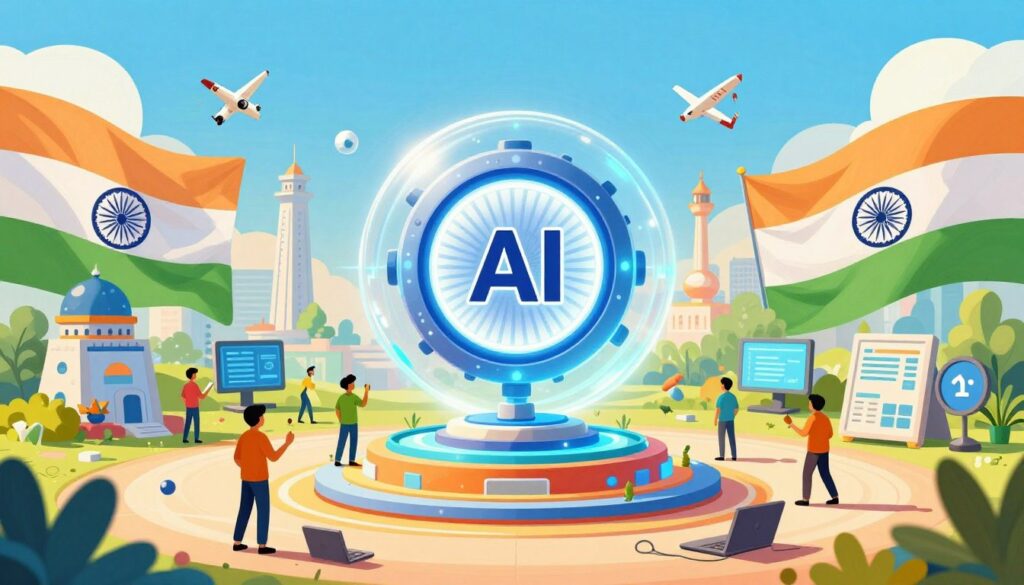
The upcoming AI companies in India represent more than business opportunities. They embody a transformation touching every aspect of society. From healthcare delivery in remote villages to financial inclusion for millions, AI enables previously impossible solutions.
The ecosystem has matured significantly over recent years. Infrastructure improves, talent deepens, and capital flows more freely. Government support creates favorable conditions for innovation and growth.
Challenges remain substantial but addressable. Talent competition, data access, and market development require ongoing attention. Companies solving these problems while delivering customer value will thrive.
India’s position as an AI powerhouse becomes increasingly clear. The combination of technical talent, market opportunity, and entrepreneurial energy creates unique conditions. The next decade will likely produce multiple globally significant AI companies from India.
Success requires collaboration across ecosystem stakeholders. Investors, entrepreneurs, enterprises, academics, and policymakers must work together. This comprehensive approach accelerates progress benefiting all participants.
The future of AI in India looks extraordinarily promising. Current trends suggest acceleration rather than plateau. Those engaging now position themselves advantageously for coming opportunities.









Comments are closed