

The artificial intelligence sector continues its explosive trajectory into 2026. Investors worldwide are positioning their portfolios to capture growth in this transformative technology sector.
Market analysts project AI will contribute over fifteen trillion dollars to the global economy by 2030. This creates unprecedented opportunities for strategic investors who identify the right companies now.
This comprehensive guide analyzes top AI companies across multiple categories. We examine established tech giants, innovative startups, and infrastructure providers powering the intelligence revolution.
Understanding where to allocate capital requires examining company fundamentals, market position, and innovation potential. The following analysis provides actionable insights for building a robust AI investment portfolio.
Get Your Free 2026 AI Investment Guide
Download our comprehensive research report analyzing top AI stocks, market trends, and investment strategies. Make informed decisions backed by expert analysis.
Understanding the AI Investment Landscape in 2026
The artificial intelligence industry has matured significantly over recent years. What began as experimental technology now powers critical business infrastructure across every major sector.
Investment opportunities span multiple categories. Software companies develop intelligence models and applications. Hardware manufacturers produce specialized chips enabling AI computing. Cloud service providers offer infrastructure supporting AI deployment at scale.
Market dynamics favor companies with sustainable competitive advantages. These include proprietary data sets, established customer relationships, and technical expertise that creates barriers to entry for competitors.
Key Market Drivers Shaping AI Growth
Several fundamental factors drive continued expansion in the artificial intelligence sector. Understanding these dynamics helps investors identify companies positioned for sustained growth.
Enterprise adoption accelerates as businesses recognize AI as essential for competitiveness. Companies investing heavily in intelligence capabilities gain efficiency improvements and unlock new revenue streams.
Technology Infrastructure Expansion
Demand for computing power continues growing exponentially. Data centers require advanced chips and specialized hardware to process intelligence workloads efficiently.
- Cloud computing infrastructure investment exceeds previous projections
- Semiconductor companies report record demand for AI-optimized chips
- Edge computing deployments expand AI capabilities to new devices
- Network infrastructure upgrades support increased data transmission needs
Enterprise Software Integration
Businesses integrate intelligence capabilities into existing software systems. This creates opportunities for platform providers and specialized application developers.
- Customer relationship management systems incorporate predictive analytics
- Enterprise resource planning platforms add automated decision support
- Cybersecurity solutions deploy AI-powered threat detection
- Supply chain software utilizes intelligence for optimization
Consumer Application Growth
Artificial intelligence enhances consumer products across multiple categories. User adoption drives revenue growth for companies delivering valuable AI-powered experiences.
- Smartphone features leverage on-device intelligence processing
- Streaming services personalize content recommendations
- E-commerce platforms optimize shopping experiences
- Digital assistants expand capabilities and integration points
Regulatory Environment Evolution
Government policies shape how companies develop and deploy intelligence technology. Regulatory frameworks influence competitive dynamics and market opportunities.
- Data privacy regulations affect AI training approaches
- Industry-specific guidelines emerge for healthcare and finance
- International standards development influences global competition
- Compliance requirements create opportunities for specialized providers
Investment Categories Within AI Sector
Investors can access artificial intelligence growth through multiple investment categories. Each offers distinct risk and return profiles suited to different portfolio objectives.
Direct stock ownership in individual companies provides targeted exposure. This approach requires thorough research and active portfolio management but offers highest potential returns.
Exchange-traded funds deliver diversified sector exposure through single transactions. ETFs reduce company-specific risk while capturing broad industry growth trends.
Investment Consideration: Diversification across AI subsectors reduces concentration risk. Consider allocating capital to infrastructure providers, application developers, and enabling technology companies for balanced exposure to sector growth.
Top AI Chip and Semiconductor Companies

Semiconductor companies provide foundational infrastructure enabling artificial intelligence capabilities. Specialized chips process complex calculations required for training and deploying intelligence models.
The market for AI-optimized processors grows faster than traditional semiconductor segments. Companies commanding technology leadership and manufacturing capacity capture premium pricing and market share.
Investment in this subsector requires evaluating technical capabilities, production capacity, customer relationships, and competitive positioning against emerging alternatives.
NVIDIA Corporation: Graphics Processing Leadership
NVIDIA dominates the market for graphics processing units used in AI applications. The company transformed from gaming-focused origins to become essential infrastructure for intelligence workloads.
Their CUDA software platform creates powerful ecosystem effects. Developers build applications on NVIDIA architecture, which reinforces hardware adoption and creates switching costs for customers.
Investment Strengths
- Dominant market share in AI training chips
- Strong software ecosystem creating customer lock-in
- Consistent revenue growth exceeding market expectations
- Expanding data center business segment
- Strategic partnerships with major cloud providers
Risk Factors
- High valuation multiples compared to historical averages
- Increasing competition from specialized AI chip makers
- Customer concentration in major tech companies
- Potential supply chain constraints affecting production
- Regulatory scrutiny in international markets
Data center revenue now exceeds gaming as primary business driver. Major cloud computing companies deploy NVIDIA processors to support customer AI workloads and internal intelligence projects.
The company maintains robust research and development spending. New product releases consistently deliver performance improvements that justify premium pricing and defend market position.
Advanced Micro Devices: Competitive Alternative
AMD emerged as viable alternative to NVIDIA in AI processing markets. The company leverages decades of semiconductor expertise to develop competitive graphics and data center processors.
Their acquisition strategy brought critical intellectual property and engineering talent. Strategic purchases of companies with specialized AI capabilities accelerated product development timelines.
| Metric | Current Value | Year-over-Year Change | Industry Average |
| Revenue Growth | 18% | +3% | 12% |
| Data Center Revenue | $6.2B | +45% | N/A |
| Operating Margin | 23% | +5% | 21% |
| R&D Investment | $5.8B | +12% | 15% of revenue |
| Market Share (AI chips) | 15% | +4% | N/A |
AMD processors power gaming consoles and personal computers alongside data center applications. This diversification provides revenue stability across different market cycles.
The stock trades at more attractive valuation multiples than primary competitor NVIDIA. Investors seeking semiconductor exposure with lower entry price points find AMD compelling.
Intel Corporation: Infrastructure Foundation
Intel maintains massive manufacturing capacity and established customer relationships despite competitive challenges. The company invests billions in new fabrication facilities to support next-generation chip production.
Their foundry services business offers manufacturing for other chip designers. This positions Intel to benefit from overall semiconductor demand growth regardless of specific product competition.
Enterprise customers value Intel’s consistent supply capabilities and long-term roadmap visibility. Data center operators deploy Intel processors across both AI and traditional computing workloads.
Turnaround Opportunity: Intel executes multi-year transformation plan to regain technology leadership. Success would significantly enhance stock value, while execution risks remain substantial. Suitable for investors with higher risk tolerance and longer time horizons.
Taiwan Semiconductor Manufacturing Company
TSMC manufactures chips designed by other companies including major AI processor developers. Their advanced process technology enables the smallest, most power-efficient chips available.
The company captures value from entire semiconductor industry growth. When any chip designer succeeds, TSMC benefits through manufacturing volume increases.
Geopolitical considerations affect TSMC investment thesis. Taiwan’s relationship with mainland China creates potential risks investors must evaluate against strong business fundamentals.
TSMC maintains technology leadership over competing foundries. Customers requiring cutting-edge performance have limited alternatives for the most advanced manufacturing processes.
Leading AI Software and Platform Companies

Software companies monetize artificial intelligence through applications and platform services. These businesses typically achieve higher profit margins than hardware manufacturers while scaling globally without physical constraints.
Platform providers benefit from network effects as more users increase service value. Successful platforms become difficult to displace once they achieve critical mass within their target markets.
Investment analysis focuses on user growth rates, revenue per customer, retention metrics, and competitive positioning against both established players and emerging startups.
Microsoft Corporation: Enterprise AI Integration
Microsoft integrates artificial intelligence across its entire product portfolio. Azure cloud services, Office productivity applications, and LinkedIn professional network all incorporate intelligence capabilities.
Their partnership with OpenAI provides exclusive access to cutting-edge language models. Microsoft embeds these capabilities into products used by hundreds of millions of business users daily.
Azure AI Services
Cloud platform offering enables developers to build intelligence into applications. Revenue from AI-related cloud services grows faster than overall Azure business.
- Pre-built AI models reduce development complexity
- Enterprise customers migrate workloads to Azure for AI capabilities
- Integration with existing Microsoft tools simplifies adoption
Microsoft 365 Copilot
AI assistant integrated into productivity applications transforms how knowledge workers complete tasks. Premium pricing commands significant revenue per user.
- Automated document creation and analysis
- Intelligent email management and prioritization
- Data analysis and visualization assistance
GitHub Copilot
AI-powered coding assistant helps developers write software faster. Subscription model generates recurring revenue from millions of software engineers.
- Code completion and suggestion features
- Integration into popular development environments
- Growing adoption across enterprise development teams
Microsoft’s diversified revenue streams reduce dependence on any single product. Strong cash flow generation funds continued AI research and acquisitions.
The stock offers exposure to artificial intelligence within a financially stable company. Conservative investors appreciate the combination of growth potential and established business fundamentals.
Alphabet Inc: Search and Cloud AI
Google parent company Alphabet pioneered many artificial intelligence techniques now widely adopted across the industry. Their research organization publishes influential papers advancing the field.
Search advertising remains the primary revenue source, enhanced by intelligence improving ad targeting and user experience. AI capabilities help maintain competitive advantages in core business while enabling new products.
Google Cloud Platform competes aggressively for enterprise customers. AI and machine learning tools differentiate their offering from competitors Amazon Web Services and Microsoft Azure.
DeepMind Innovations
Alphabet’s DeepMind subsidiary achieved breakthrough results in protein folding prediction and game-playing systems. Research advances translate into commercial applications across the company.
Scientific discoveries enhance Alphabet’s reputation as technology leader. This attracts top engineering talent and reinforces market position in competitive intelligence race.
Waymo Autonomous Vehicles
Self-driving technology represents long-term AI application with massive addressable market. Waymo operates commercial robotaxi services while continuing technology development.
Transportation automation requires years of additional development and regulatory approval. Patient investors view Waymo as option value within Alphabet investment.
Advertising business generates cash funding AI initiatives across organization. This financial strength allows Alphabet to pursue long-term research without immediate commercialization pressure.
Regulatory challenges affect multiple business segments. Antitrust scrutiny and potential remedies create uncertainty factored into current stock valuation.
Amazon Web Services: Cloud Infrastructure Dominance
Amazon’s cloud computing division provides infrastructure supporting AI development for thousands of companies. AWS offers specialized services for machine learning model training, deployment, and management.
Market leadership in cloud services positions Amazon to benefit as businesses increase AI spending. Existing customer relationships enable cross-selling of new intelligence capabilities.
Amazon retail operations incorporate AI extensively for logistics optimization, recommendation engines, and inventory management. These internal use cases demonstrate technology effectiveness while improving operational efficiency.
Compare Top AI Platform Stocks
Access our detailed comparison analyzing Microsoft, Alphabet, and Amazon across key investment metrics. Identify which platform company aligns with your portfolio strategy.
Salesforce: AI-Powered Customer Relations
Salesforce embeds artificial intelligence into customer relationship management software used by businesses worldwide. Their Einstein AI platform analyzes customer data to provide insights and automation.
Subscription business model delivers predictable recurring revenue. Customer retention rates remain high as businesses depend on CRM systems for critical operations.
The company acquired Slack to expand beyond traditional CRM into workplace collaboration. AI features within Slack enhance productivity for teams using the platform.
Salesforce invests heavily in vertical-specific AI solutions for healthcare, financial services, and retail. Industry expertise combined with intelligence capabilities differentiates offerings from horizontal platform competitors.
AI Infrastructure and Cloud Service Providers

Cloud computing infrastructure enables artificial intelligence deployment at scale. Companies operating data centers provide essential services for training large models and running intelligence applications.
This subsector benefits from increasing computational requirements of advanced AI systems. Demand for specialized infrastructure grows faster than general-purpose computing capacity.
Investors evaluate infrastructure providers based on capacity expansion plans, energy efficiency, geographic coverage, and ability to support specialized AI workloads.
Oracle Corporation: Database and Cloud Integration
Oracle’s database technology powers critical business applications for enterprises globally. The company transitions customers to cloud infrastructure while maintaining database licensing revenue.
Their AI capabilities focus on automating database management and optimizing performance. Autonomous database products reduce customer costs while demonstrating intelligence value.
Oracle Cloud Infrastructure competes for customers requiring high-performance computing. Partnerships with NVIDIA provide access to latest AI training hardware.
- Cloud infrastructure revenue acceleration
- Database modernization migrations
- AI-optimized cloud services adoption
- Enterprise application suite expansion
- Strategic partnerships with chip makers
Growth Drivers
- Competing against established cloud leaders
- Legacy business transformation challenges
- Customer cloud migration pace
- Capital requirements for infrastructure build-out
- Sales execution in competitive markets
Investment Considerations
- Installed base of enterprise customers
- Database technology leadership
- Integrated application and infrastructure offerings
- Strong cash generation funding investments
- Industry-specific cloud solutions
Competitive Advantages
The stock trades at reasonable valuation relative to growth prospects. Investors seeking exposure to enterprise cloud transition find Oracle compelling.
ServiceNow: IT Management Automation
ServiceNow provides workflow automation software for IT departments and business operations. Artificial intelligence enhances platform capabilities through predictive analytics and automated problem resolution.
Enterprise customers expand usage as they automate additional processes. Net dollar retention rates consistently exceed industry benchmarks, indicating strong customer satisfaction and expanding deployments.
The company targets large enterprises with complex IT environments. Long sales cycles result in substantial contract values and multi-year customer relationships.
ServiceNow partners with major consulting firms to expand market reach. System integrators recommend the platform to clients undertaking digital transformation initiatives.
Snowflake: Cloud Data Platform
Snowflake enables companies to store and analyze massive data sets required for AI model training. Their platform architecture separates storage from computing, allowing efficient scaling.
Consumption-based pricing aligns revenue with customer value realization. As customers process more data, Snowflake revenue increases automatically without additional sales efforts.
The company maintains partnerships with major cloud providers while operating across multiple platforms. This multi-cloud strategy appeals to enterprises avoiding vendor lock-in.
Data governance and security capabilities address enterprise requirements. Organizations consolidating data from multiple sources choose Snowflake for centralized intelligence-ready infrastructure.
Cloudflare: Edge Computing and Security
Cloudflare operates global network infrastructure improving website performance and security. AI capabilities enhance threat detection and traffic optimization across their platform.
The company benefits from increasing internet traffic and growing cybersecurity threats. Subscription services generate recurring revenue with high gross margins.
Cloudflare targets developers and IT teams with easy-to-deploy services. Product-led growth strategy drives efficient customer acquisition compared to traditional enterprise sales models.
Edge computing capabilities position Cloudflare for AI applications requiring low latency. Processing data closer to users enables new intelligence use cases.
Emerging AI Application Companies

Specialized companies develop AI applications for specific industries and use cases. These businesses often achieve rapid growth by solving focused problems better than generalist competitors.
Application companies face lower infrastructure costs than platform providers. Many leverage cloud services and pre-built AI tools to accelerate product development.
Investment risk and potential returns typically exceed established technology companies. Successful application companies may become acquisition targets for larger firms seeking capabilities.
Palantir Technologies: Government and Enterprise Analytics
Palantir builds data analysis platforms for government agencies and large enterprises. Artificial intelligence capabilities help customers identify patterns and insights within massive data sets.
Government contracts provide revenue stability and demonstrate platform effectiveness on complex problems. Commercial business grows as enterprises adopt similar analytics approaches.
The company achieves strong customer retention once platforms become embedded in operations. Switching costs create advantages as customers integrate Palantir into critical workflows.
Stock volatility exceeds market averages due to concentrated ownership and variable quarterly results. Investors require higher risk tolerance for Palantir compared to established software companies.
CrowdStrike: Cybersecurity Intelligence
CrowdStrike protects organizations from cyber threats using AI-powered detection and response. Cloud-native architecture enables rapid deployment and continuous updates across customer environments.
Security spending remains priority for enterprises regardless of economic conditions. CrowdStrike benefits from increasing threat sophistication driving demand for advanced protection.
The platform collects threat intelligence across all customers, improving detection effectiveness through network effects. Larger customer base enhances protection for all users.
Subscription model with multiple product modules enables revenue expansion. Customers typically add security capabilities over time as they recognize platform value.
UiPath: Robotic Process Automation
UiPath automates repetitive business processes using software robots enhanced with AI capabilities. Companies deploy automation to reduce costs and improve operational efficiency.
The business process automation market expands as organizations seek productivity improvements. UiPath competes against other automation vendors and internal development efforts.
Customer success depends on identifying appropriate automation opportunities and effective implementation. UiPath invests in customer support and training to drive successful deployments.
Recent financial performance shows slowing growth as market matures. Valuation multiples compressed from peak levels, potentially creating entry opportunity for long-term investors.
Datadog: Cloud Monitoring and Analytics
Datadog provides monitoring and analytics for cloud infrastructure and applications. AI capabilities help customers identify performance issues and optimize resource utilization.
Cloud migration trends drive adoption as companies need visibility into distributed systems. Datadog benefits from overall growth in cloud computing and application complexity.
The platform integrates with hundreds of technologies, providing comprehensive monitoring across customer environments. Broad integration ecosystem creates switching costs and competitive advantages.
Net dollar retention exceeds expectations as customers expand monitoring to additional applications and infrastructure. Usage-based pricing aligns revenue growth with customer cloud spending.
AI-Focused ETFs for Diversified Exposure

Exchange-traded funds offer diversified exposure to artificial intelligence sector without selecting individual stocks. ETFs reduce company-specific risk while capturing broad industry growth trends.
Different funds employ varied selection criteria and weighting methodologies. Investors should understand fund composition and strategy before allocating capital.
Expense ratios impact long-term returns, particularly in competitive sectors. Lower-cost funds generally deliver better net performance over extended periods.
Global X Robotics and Artificial Intelligence ETF
This fund invests in companies developing robotics and AI technologies across global markets. Holdings include semiconductor manufacturers, software developers, and industrial automation companies.
International diversification provides exposure to AI innovation outside United States markets. Geographic diversity reduces concentration risk in any single economy.
The fund rebalances periodically to maintain alignment with theme focus. Systematic approach reduces reliance on active stock selection while maintaining sector concentration.
| ETF Name | Ticker | Expense Ratio | Top Holdings Focus | Assets Under Management |
| Global X Robotics & AI | BOTZ | 0.68% | Industrial automation, semiconductors | $2.8B |
| ARK Autonomous Tech & Robotics | ARKQ | 0.75% | Autonomous vehicles, 3D printing | $1.1B |
| iShares Robotics and AI | IRBO | 0.47% | Diversified AI and robotics | $450M |
| First Trust Nasdaq AI & Robotics | ROBT | 0.65% | Software platforms, semiconductors | $380M |
| WisdomTree AI Enhanced Value | AIVL | 0.18% | AI stock selection across sectors | $95M |
ARK Autonomous Technology and Robotics ETF
ARK Invest manages actively traded funds focused on disruptive innovation themes. Their robotics fund concentrates on companies developing autonomous systems and enabling technologies.
Active management provides flexibility to adjust holdings based on market developments. Fund managers conduct proprietary research to identify investment opportunities.
Concentrated portfolio approach results in higher volatility than broad market indices. Performance depends significantly on manager stock selection effectiveness.
Transparency through daily holdings disclosure allows investors to monitor fund positioning. ARK publishes research supporting investment thesis for major holdings.
iShares Robotics and Artificial Intelligence Multisector ETF
This fund tracks an index of companies generating significant revenue from robotics and AI. Passive management approach delivers low expense ratio compared to actively managed alternatives.
Holdings span multiple sectors including technology, industrials, and healthcare. Sector diversification reduces impact of weakness in any individual industry segment.
Index methodology weights companies by revenue exposure to theme rather than market capitalization alone. This focuses portfolio on businesses deriving substantial income from targeted technologies.
Build Your AI Investment Portfolio
Open a brokerage account to start investing in AI stocks and ETFs. Get access to research tools, market data, and educational resources to make informed investment decisions.
Investment involves risk including possible loss of principal. Past performance does not guarantee future results.
First Trust Nasdaq Artificial Intelligence and Robotics ETF
First Trust fund follows rules-based methodology selecting companies from Nasdaq exchanges. Eligibility requires demonstrable involvement in AI or robotics businesses.
Modified equal weighting approach balances exposure across holdings. This reduces concentration in largest companies compared to market-cap weighted alternatives.
Quarterly rebalancing maintains target weights and incorporates newly eligible companies. Systematic process removes emotional decision-making from portfolio management.
Fund composition includes mix of established technology leaders and smaller specialized companies. Balanced approach provides exposure to different risk and growth profiles.
Investment Strategies and Portfolio Construction
Successful AI investing requires thoughtful portfolio construction aligned with individual financial goals and risk tolerance. Different approaches suit varying investor circumstances and objectives.
Diversification across company sizes, subsectors, and geographies reduces concentration risk. Balanced portfolios typically demonstrate more stable performance through market cycles.
Time horizon significantly influences appropriate strategy selection. Longer investment periods allow greater allocation to volatile growth stocks, while shorter timeframes favor stability.
Core-Satellite Portfolio Approach
This strategy combines stable core holdings with satellite positions in higher-risk opportunities. Core positions typically include established companies or diversified ETFs providing foundational exposure.
Satellite investments target specific subsectors or emerging companies offering higher growth potential. Smaller position sizes in satellites limit downside risk while preserving upside opportunity.
Recommended Core Holdings
Core portfolio positions should emphasize financial stability and market leadership. These companies demonstrate consistent earnings, strong balance sheets, and sustainable competitive advantages.
- Large-cap technology companies with diversified AI exposure
- Established semiconductor manufacturers supplying AI chips
- Cloud infrastructure providers enabling intelligence deployment
- Broad AI-focused ETFs for instant diversification
- Platform companies integrating AI across product lines
Core holdings typically represent sixty to seventy-five percent of AI allocation. This provides stability while maintaining growth exposure.
Allocation Guideline: Consider limiting AI sector exposure to 10-20% of total portfolio for appropriate diversification across asset classes and industries.
Growth-Focused Concentrated Strategy
Aggressive investors may concentrate portfolios in highest-conviction AI opportunities. This approach requires extensive research and higher risk tolerance.
Position sizing becomes critical in concentrated portfolios. No single holding should represent such large allocation that adverse performance severely impacts overall portfolio value.
Regular monitoring enables timely responses to changing business fundamentals or competitive dynamics. Concentrated strategies demand more active management than diversified approaches.
Risk Warning: Concentrated positions amplify both gains and losses. Ensure adequate financial resources and emotional temperament before implementing high-concentration strategies. Consider consulting financial advisors for personalized guidance.
Dollar-Cost Averaging Implementation
Investing fixed amounts at regular intervals reduces timing risk and emotional decision-making. Dollar-cost averaging proves particularly effective in volatile sectors like artificial intelligence.
This mechanical approach purchases more shares when prices decline and fewer when prices rise. Over time, average cost per share typically falls below simple average of purchase prices.
Systematic investing enforces discipline during market volatility. Predetermined schedule prevents hesitation during temporary price declines that may represent buying opportunities.
Rebalancing and Portfolio Maintenance
Regular rebalancing maintains intended allocation percentages as holdings appreciate or decline. This systematic approach enforces selling winners and buying underperformers.
Rebalancing frequency balances transaction costs against portfolio drift. Quarterly or semi-annual reviews typically provide adequate adjustment opportunities without excessive trading.
Tax considerations influence rebalancing decisions in taxable accounts. Harvesting losses and deferring gains optimizes after-tax returns over long periods.
Portfolio review should assess whether original investment thesis remains valid. Changed fundamentals may warrant position adjustment beyond mechanical rebalancing.
Risk Factors and Investment Considerations

Artificial intelligence investments carry specific risks beyond general market volatility. Understanding these factors enables more informed decision-making and appropriate position sizing.
Technology sectors historically experience elevated volatility compared to broader market indices. AI companies face additional uncertainties related to emerging technology and evolving competitive landscapes.
Comprehensive risk assessment examines multiple dimensions including business fundamentals, market dynamics, regulatory environment, and macroeconomic factors.
Technology and Competition Risks
Rapid technological advancement creates constant competitive threats. Today’s market leaders face displacement by superior technologies or innovative business models.
AI field evolves quickly with breakthrough research potentially disrupting existing approaches. Companies must invest continuously in research and development to maintain competitive positions.
Open-source software and publicly available research reduce barriers to entry in some AI segments. Well-funded startups can challenge established companies using latest techniques.
Key Technology Risks
- Disruptive innovations making current products obsolete
- Failure to anticipate market direction or technology shifts
- Dependence on continued research breakthroughs
- Competition from well-funded startups and tech giants
- Open-source alternatives reducing pricing power
- Talent acquisition and retention challenges
Risk Mitigation Strategies
- Diversify across multiple AI subsectors and approaches
- Focus on companies with strong research capabilities
- Monitor competitive landscape and emerging threats
- Prefer companies with multiple revenue streams
- Assess management track record in technology transitions
- Maintain appropriate position sizes limiting downside exposure
Regulatory and Ethical Considerations
Governments worldwide develop regulations governing AI development and deployment. Regulatory frameworks impact business models, competitive dynamics, and market opportunities.
Data privacy regulations affect how companies collect and utilize information for AI training. Compliance requirements increase costs and may limit certain applications.
Ethical concerns about AI decision-making influence public perception and regulatory scrutiny. Companies face reputational risks from controversial applications or unintended consequences.
International regulatory differences create complexity for global businesses. Compliance with varying requirements across jurisdictions increases operational complexity and costs.
Valuation and Market Risks
High growth expectations embed optimistic assumptions in current stock prices. Failure to meet aggressive growth targets often results in sharp valuation corrections.
Market sentiment toward growth stocks fluctuates based on interest rate expectations and economic outlook. AI companies typically experience amplified volatility during market-wide corrections.
“The stock market is filled with individuals who know the price of everything, but the value of nothing.”
Valuation metrics for AI companies often exceed historical norms. Investors must assess whether premium valuations reflect sustainable competitive advantages or excessive optimism.
Price volatility creates opportunities and risks depending on investor time horizon. Short-term traders face timing challenges while long-term investors may benefit from temporary dislocations.
Operational and Execution Risks
Scaling AI businesses presents significant operational challenges. Companies must build infrastructure, hire talent, and establish processes supporting rapid growth.
Customer acquisition costs impact profitability timelines. Companies spending heavily on sales and marketing may achieve revenue growth while remaining unprofitable.
Supply chain disruptions affect hardware manufacturers and companies dependent on specialized components. Global sourcing creates exposure to geopolitical events and trade policies.
Key person dependency concentrates risk in founder-led companies. Leadership transitions or departures can significantly impact business performance and investor confidence.
Assess Your Investment Risk Tolerance
Complete our comprehensive risk assessment questionnaire to determine appropriate AI allocation for your portfolio. Receive personalized recommendations based on your financial situation and goals.
Sector Analysis and Market Trends
The artificial intelligence industry encompasses diverse subsectors with varying growth trajectories and competitive dynamics. Understanding these distinctions helps investors identify opportunities aligned with their investment objectives.
Market trends reflect both technological advancement and shifting customer priorities. Successful investors anticipate developments rather than simply reacting to current conditions.
Sector rotation occurs as capital flows between different AI categories based on relative performance and growth expectations. Monitoring these patterns provides insights into market sentiment.
Enterprise Software and Applications
Business software incorporating AI capabilities represents large addressable market with established revenue models. Enterprise customers demonstrate willingness to pay premium prices for productivity improvements.
Sales cycles for enterprise software extend over months as organizations evaluate solutions and negotiate contracts. Patient capital proves necessary for companies building enterprise customer bases.
Customer switching costs increase once software integrates into critical workflows. High retention rates enable predictable revenue forecasting and support premium valuations.
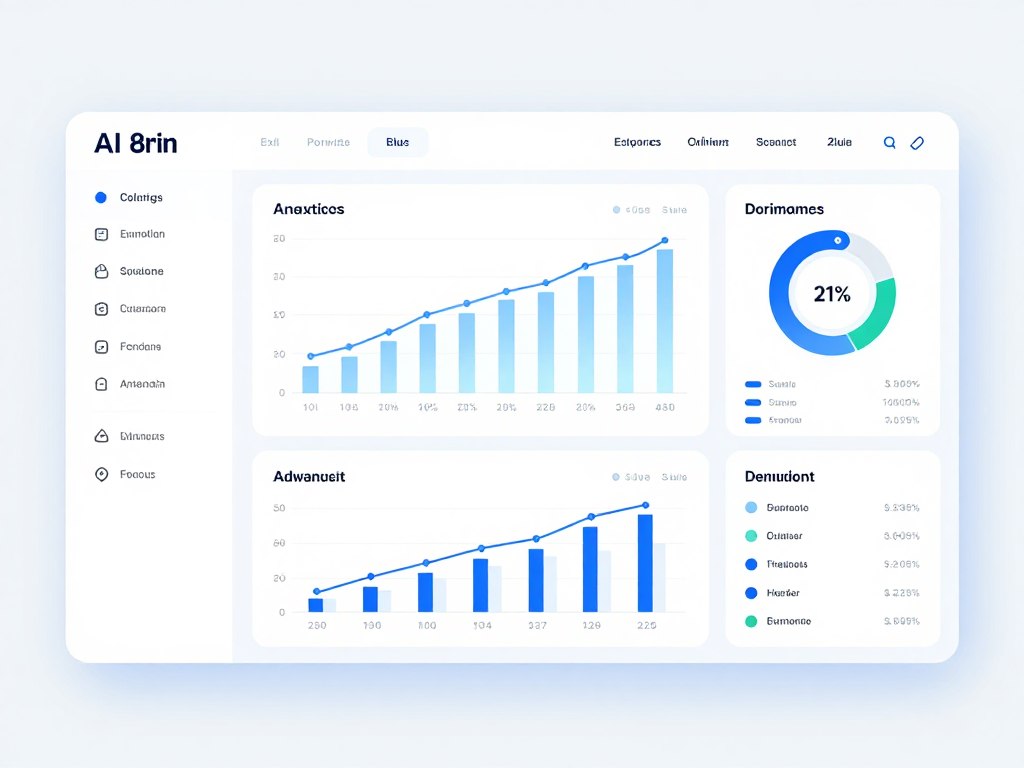
Customer Relationship Management
AI enhances CRM systems through predictive lead scoring, automated customer interactions, and personalized marketing recommendations. Market leaders include Salesforce, HubSpot, and Adobe.
- Predictive analytics for sales forecasting
- Automated customer service chatbots
- Personalized marketing campaign optimization

Cybersecurity Solutions
Intelligence-powered security platforms detect and respond to threats faster than traditional approaches. Growing attack sophistication drives demand for advanced protection.
- Real-time threat detection and response
- Behavioral analysis identifying anomalies
- Automated incident investigation and remediation
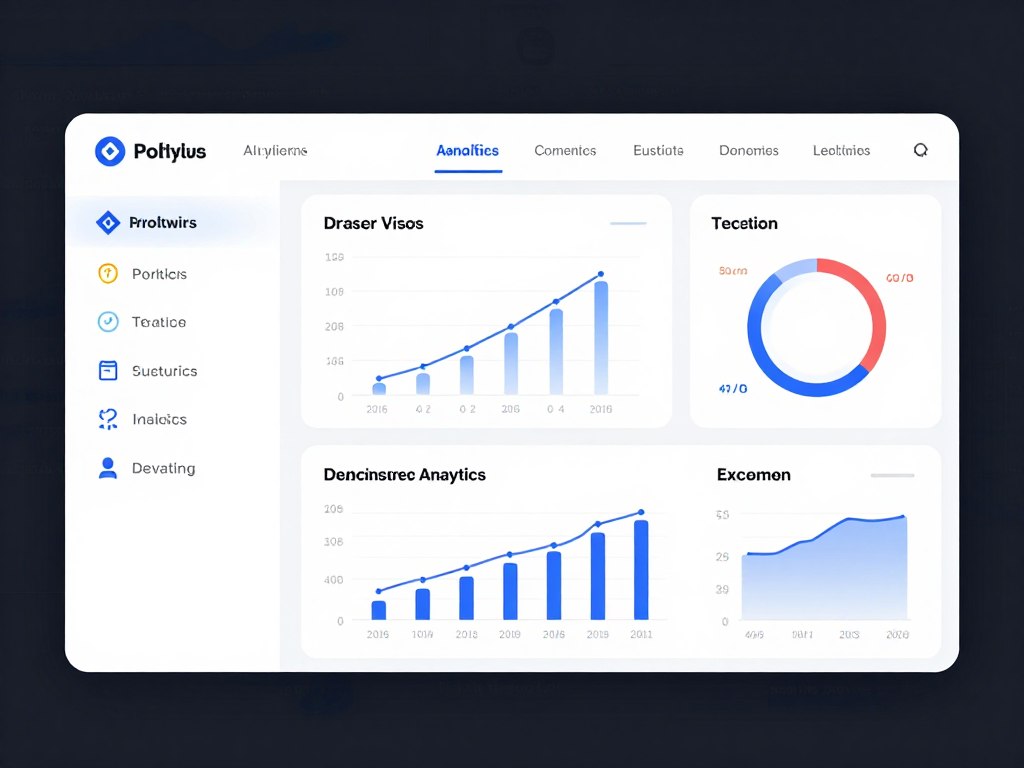
Business Intelligence
Data analytics platforms leverage AI to surface insights and automate reporting. Organizations increasingly rely on intelligence for strategic decision-making across functions.
- Automated insight generation from business data
- Natural language query interfaces
- Predictive modeling for business planning
Healthcare and Life Sciences Applications
Medical applications of artificial intelligence address critical healthcare challenges including diagnostic accuracy, drug discovery, and treatment personalization. Regulatory approval processes create longer development timelines compared to other sectors.
Healthcare data privacy regulations impose strict requirements on AI system development. Companies must demonstrate compliance while maintaining model effectiveness.
Successful healthcare AI companies often partner with medical institutions for data access and clinical validation. These relationships provide competitive advantages through proprietary datasets.
Reimbursement policies influence commercial viability of healthcare AI products. Payer willingness to cover AI-assisted diagnostics or treatments affects market adoption rates.
Autonomous Systems and Robotics
Self-driving vehicles, warehouse automation, and manufacturing robots represent physical implementations of AI technology. Hardware components increase capital requirements compared to pure software businesses.
Autonomous vehicle development requires massive investment with uncertain commercialization timelines. Most investors access this market through established automotive or technology companies rather than startups.
Industrial robotics benefits from labor shortages and productivity imperatives. Companies automating warehouses and factories demonstrate clear return on investment justifying continued capital deployment.
Regulatory approval and liability frameworks evolve as autonomous systems enter commercial deployment. Legal and insurance considerations affect adoption pace across different applications.
Financial Services and Fintech
Banks and financial institutions deploy AI for fraud detection, credit risk assessment, and algorithmic trading. Regulatory compliance requirements shape how intelligence systems operate in financial contexts.
Fraud detection represents high-value application where AI substantially improves accuracy over rule-based systems. Financial institutions invest heavily given significant losses from fraudulent transactions.
Algorithmic trading firms utilize AI for pattern recognition and execution optimization. Competitive advantages in trading prove difficult to sustain as multiple firms employ similar techniques.
Robo-advisors apply AI to investment management and financial planning. Lower costs compared to human advisors attract customers while established firms defend market share.
Due Diligence and Research Process

Thorough research forms the foundation of successful investing in artificial intelligence companies. Systematic due diligence identifies both opportunities and risks before committing capital.
Information sources include company financial statements, industry research reports, technology assessments, and competitive analysis. Synthesizing multiple perspectives provides more complete understanding than relying on single sources.
Developing expertise in AI investing requires continuous learning as technology and markets evolve. Investors who maintain current knowledge gain advantages over those relying on outdated information.
Financial Analysis Framework
Examining company financial statements reveals business health and growth trajectory. Key metrics vary by business model and development stage.
Revenue growth rates indicate market demand and competitive position. Consistent growth above industry averages suggests strong product-market fit and effective execution.
Growth Stage Companies
Early-stage AI companies prioritize revenue growth over profitability. Evaluate metrics reflecting business momentum and customer validation:
- Year-over-year revenue growth percentage
- Customer acquisition and retention rates
- Gross margin trends indicating scalability
- Cash burn rate and runway to profitability
- Market share gains in target segments
Accept negative earnings as companies invest in growth. Focus on path to profitability and capital efficiency improvements.
Established Profitable Companies
Mature AI businesses demonstrate sustainable unit economics and cash generation. Assess financial stability and return on invested capital:
- Operating margin expansion over time
- Free cash flow generation and conversion
- Return on equity and invested capital
- Dividend sustainability and growth prospects
- Debt levels and interest coverage ratios
Balance growth with profitability. Companies achieving both typically command premium valuations.
Competitive Position Assessment
Evaluating competitive advantages determines sustainability of business performance. Durable advantages support long-term market share and pricing power.
Network effects strengthen position as user base grows. Platforms where additional users increase value for existing customers demonstrate powerful competitive dynamics.
Proprietary data creates advantages in AI applications where model quality depends on training data. Exclusive access to valuable datasets proves difficult for competitors to replicate.
| Competitive Advantage Type | Description | Sustainability | Example Companies |
| Network Effects | Platform value increases with user adoption | High – self-reinforcing | Microsoft, Salesforce |
| Proprietary Data | Exclusive access to training datasets | Medium – requires continuous collection | Alphabet, Tesla |
| Switching Costs | Customer integration makes migration difficult | High – increases with usage | Palantir, Snowflake |
| Technology Leadership | Superior technical capabilities and innovation | Low-Medium – requires R&D investment | NVIDIA, OpenAI |
| Scale Advantages | Cost benefits from larger operations | Medium – capital intensive to replicate | Amazon, Microsoft |
| Brand and Reputation | Customer preference based on trust | Medium – requires consistent delivery | IBM, Oracle |
Management Quality Evaluation
Leadership teams significantly influence company outcomes. Assessing management requires examining track record, capital allocation decisions, and strategic vision.
Prior experience in technology companies indicates understanding of industry dynamics. Leaders who successfully navigated previous market cycles bring valuable perspective.
Capital allocation decisions reveal management priorities and financial discipline. Companies investing appropriately in growth while maintaining financial stability typically outperform over time.
Transparent communication builds investor confidence. Management teams providing clear strategy explanations and honest assessments earn trust even during challenging periods.
Technology and Product Assessment
Understanding product capabilities and technology architecture requires technical knowledge. Investors without engineering backgrounds can still evaluate relative competitive positioning.
Customer testimonials and case studies provide evidence of product effectiveness. Strong customer references indicate products delivering meaningful value.
Third-party technology evaluations from research firms offer independent perspectives. Analyst reports comparing products across vendors inform competitive assessment.
Product roadmap examination reveals innovation pipeline. Companies demonstrating continuous improvement maintain competitive relevance in fast-moving markets.
How do I evaluate AI technology without technical expertise?
Focus on customer validation rather than technical specifications. Strong customer growth, high retention rates, and positive testimonials indicate effective products.
Read independent analyst reports comparing vendors. Research firms evaluate technology capabilities and provide accessible summaries for non-technical audiences.
Assess competitive positioning through market share trends. Companies gaining share against competitors likely offer superior products regardless of specific technical approaches.
What financial metrics matter most for AI companies?
Growth-stage companies should demonstrate strong revenue growth, improving gross margins, and declining customer acquisition costs. These trends indicate business model scalability.
Profitable companies require evaluation of operating margins, cash flow generation, and return on invested capital. Balance growth rates against profitability metrics.
Customer retention and expansion rates prove particularly important. High net dollar retention indicates strong product value and pricing power.
How much should I allocate to AI investments?
Total AI allocation depends on individual risk tolerance, time horizon, and overall portfolio composition. Conservative approaches limit sector exposure to ten to fifteen percent of equity allocation.
Aggressive investors comfortable with volatility may allocate twenty to thirty percent toward AI and technology sectors. Ensure adequate diversification across other industries and asset classes.
Consider your need for portfolio stability and income. Retirees requiring stable cash flow should maintain more conservative allocations than younger investors with longer time horizons.
Should I invest in individual stocks or ETFs?
Individual stocks offer higher potential returns but require significant research and monitoring. Suitable for investors with time and expertise to analyze companies thoroughly.
ETFs provide instant diversification and professional management at lower cost than mutual funds. Appropriate for investors seeking sector exposure without individual stock selection.
Combination approaches work well for many investors. Core ETF holdings provide broad exposure while satellite positions in high-conviction individual stocks add growth potential.
Tax Considerations and Investment Accounts
Tax efficiency significantly impacts long-term investment returns. Understanding tax implications helps investors structure portfolios to maximize after-tax performance.
Different account types offer varying tax treatments. Selecting appropriate account structures based on individual circumstances improves net returns over time.
Tax planning should complement investment strategy rather than dominate decision-making. Avoid letting tax tail wag investment dog by refusing to sell appreciated positions needing rebalancing.
Tax-Advantaged Retirement Accounts
Retirement accounts including traditional and Roth IRAs provide tax benefits encouraging long-term saving. Contributions may be tax-deductible or grow tax-free depending on account type.
Growth stocks like AI companies prove particularly suitable for Roth IRAs. Tax-free withdrawal of appreciation in retirement provides significant advantage over taxable accounts.
Traditional IRAs offer upfront tax deductions with taxation at withdrawal. Suitable for investors in high current tax brackets expecting lower rates in retirement.
Annual contribution limits restrict amounts investable in retirement accounts. High-income investors may face additional limitations on direct Roth IRA contributions.
Taxable Brokerage Account Strategies
Standard brokerage accounts offer unlimited contribution amounts and withdrawal flexibility. Tax management becomes important as gains and dividends generate annual tax obligations.
Long-term capital gains receive preferential tax treatment compared to short-term gains. Holding investments longer than one year reduces tax burden on profitable positions.
Tax-loss harvesting offsets capital gains with realized losses. Selling depreciated positions to recognize losses provides tax benefits while maintaining market exposure through similar investments.
Wash Sale Rule: Avoid purchasing substantially identical securities within thirty days before or after selling at a loss. Violating wash sale rules disallows tax loss deduction, negating harvesting benefits.
Dividend Taxation Considerations
Most AI growth companies pay minimal or no dividends, reinvesting earnings into business expansion. This tax-efficient approach defers taxation until investors sell appreciated shares.
Qualified dividends from stocks held over sixty days receive lower tax rates than ordinary income. Non-qualified dividends face ordinary income taxation reducing after-tax returns.
Dividend-paying AI infrastructure companies may provide current income alongside growth potential. Evaluate dividend sustainability and payout ratios before investing for income.
Tax-advantaged accounts shield dividend income from annual taxation. Consider holding dividend-paying stocks in retirement accounts while growth stocks occupy taxable accounts.
Monitoring Performance and Portfolio Adjustments

Regular portfolio monitoring ensures investments remain aligned with objectives as circumstances change. Systematic review processes prevent emotional reactions while enabling thoughtful adjustments.
Performance measurement requires appropriate benchmarks reflecting portfolio composition and strategy. Comparing returns against relevant indices provides context for evaluating results.
Distinguishing between normal volatility and fundamental deterioration prevents premature selling of quality holdings experiencing temporary weakness.
Establishing Review Schedule
Quarterly reviews provide sufficient frequency for portfolio assessment without encouraging overtrading. Most companies report financial results quarterly, providing natural review cadence.
Annual comprehensive analysis examines whether original investment thesis remains valid. Reevaluate assumptions about growth prospects, competitive position, and valuation.
Avoid checking portfolio values daily as short-term fluctuations prove meaningless for long-term investors. Excessive monitoring often leads to poor decisions driven by temporary price movements.
Performance Attribution Analysis
Understanding what drove portfolio returns enables learning and improvement. Analyze whether results came from correct sector allocation, individual stock selection, or favorable market conditions.
Compare individual holdings against sector benchmarks. Stocks underperforming their sector may indicate company-specific problems requiring attention.
Assess whether top performers succeeded due to sound analysis or fortunate timing. Repeatable processes matter more than lucky outcomes for sustainable long-term success.
- Fundamental business strength remains intact
- Competitive position stable or improving
- Management executing on strategic plan
- Valuation reasonable given growth prospects
- Temporary market volatility creating noise
- Original investment thesis still valid
Hold Decision Factors
- Deteriorating business fundamentals or margins
- Loss of competitive advantage to rivals
- Management changes or poor capital allocation
- Valuation disconnected from realistic outcomes
- Better opportunities identified elsewhere
- Investment thesis proven incorrect
Sell Decision Factors
- Stronger business than originally assessed
- Expanding competitive advantages
- Accelerating growth or margin improvement
- Price decline creating attractive entry point
- Increased conviction after additional research
- Position size below target allocation
Buy More Decision Factors
Rebalancing Methodology
Portfolio drift occurs naturally as holdings appreciate at different rates. Rebalancing restores target allocations by selling outperformers and adding to underweights.
Percentage-based triggers initiate rebalancing when allocations deviate beyond predetermined thresholds. Common approaches rebalance when holdings exceed target by five or ten percentage points.
Time-based rebalancing occurs at regular intervals regardless of allocation drift. Semi-annual or annual rebalancing provides simplicity while controlling portfolio composition.
Tax considerations influence rebalancing decisions in taxable accounts. Evaluate whether benefits of restoring target allocations justify realizing taxable gains.
Responding to Market Volatility
AI stocks experience elevated volatility compared to broader market averages. Maintaining discipline during price swings separates successful long-term investors from unsuccessful traders.
Volatility creates opportunities for disciplined investors with capital to deploy. Temporary price declines in quality companies offer attractive entry points for patient investors.
Distinguish between company-specific problems and sector-wide movements. Broad market selloffs affecting all AI stocks differently from deteriorating fundamentals at individual companies.
Volatility Management: Ensure position sizes align with personal risk tolerance before volatility occurs. Investors forced to sell during downturns due to oversized positions typically realize poor outcomes.
Future Outlook and Emerging Trends
Artificial intelligence continues evolving with new capabilities emerging regularly. Understanding directional trends helps investors position portfolios for future opportunities.
Multiple development paths exist with uncertain outcomes. Diversified exposure across approaches reduces risk of missing major technological shifts.
Long-term investment horizons allow participation in transformative technologies despite near-term uncertainty. Patient capital captures value as markets eventually recognize successful innovations.
Generative AI and Large Language Models
Recent advances in generative artificial intelligence demonstrate capabilities previously thought decades away. Large language models produce human-quality text, code, and creative content.
Commercial applications multiply as businesses discover use cases for generative AI. Content creation, customer service, and software development represent early adoption areas.
Computing requirements for training large models favor companies with substantial infrastructure. Cloud providers and semiconductor manufacturers benefit from increasing demand for specialized hardware.
Competitive dynamics remain fluid as multiple companies develop comparable capabilities. Sustainable advantages may emerge through proprietary data, specialized applications, or superior user experiences.
Edge AI and Distributed Intelligence
Processing artificial intelligence workloads on end devices rather than centralized data centers offers latency and privacy benefits. Smartphones, vehicles, and industrial equipment increasingly incorporate local AI processing.
Semiconductor companies developing efficient edge processors capture this growing market segment. Power consumption and physical size constraints require specialized chip designs.
Network infrastructure supports hybrid architectures splitting processing between edge devices and cloud services. This balanced approach optimizes performance while managing resource constraints.
Privacy regulations favor edge processing reducing sensitive data transmission to central servers. Healthcare and financial applications particularly benefit from local intelligence processing.
AI in Scientific Research and Drug Discovery
Artificial intelligence accelerates scientific discovery across multiple disciplines. Protein folding prediction, materials science, and drug candidate identification benefit from AI techniques.
Pharmaceutical companies partner with AI developers to improve drug discovery success rates and reduce development timelines. Successful partnerships demonstrate potential for significant healthcare impact.
Scientific AI applications require deep domain expertise alongside technical capabilities. Companies combining both dimensions achieve better results than pure technology vendors.
Long development timelines and regulatory requirements mean commercial benefits may take years to materialize. Investors need patience as transformative potential slowly converts to financial results.
Sustainable AI and Environmental Considerations
Energy consumption of large AI systems raises environmental concerns. Companies developing more efficient algorithms and hardware gain advantages as sustainability priorities increase.
Data center operators invest in renewable energy and cooling innovations to reduce environmental impact. Efficiency improvements lower operating costs while addressing sustainability objectives.
Regulation may eventually impose environmental requirements on AI development and deployment. Forward-thinking companies addressing these issues proactively avoid future compliance costs.
AI applications themselves contribute to sustainability through optimizing energy use, reducing waste, and improving resource allocation. This positive impact helps justify environmental costs of computing infrastructure.
Practical Implementation: Getting Started

Translating research into action requires practical steps to establish investment accounts, fund positions, and implement strategies. Clear implementation plan removes barriers preventing investors from executing decisions.
Starting small allows learning without excessive risk. Initial investments provide experience with platforms, market dynamics, and emotional responses to volatility.
Gradual position building through systematic purchases reduces timing risk and enables refinement of approach based on early experience.
Selecting Brokerage Platform
Modern online brokerages offer commission-free stock and ETF trading with robust research tools. Platform selection depends on individual needs including account types, research resources, and user interface preferences.
Established brokers provide comprehensive research including analyst reports, financial data, and screening tools. These resources support informed investment decisions without separate subscriptions.
Mobile applications enable portfolio monitoring and trading from smartphones. Evaluate mobile experience if frequent account access proves important.
Full-Service Platforms
Comprehensive brokerages offer extensive research, education, and customer support. Suitable for investors valuing resources over minimalist interfaces.
- Fidelity Investments
- Charles Schwab
- Merrill Edge
Best For: Investors seeking research tools and educational resources alongside trading capabilities.
User-Friendly Platforms
Streamlined interfaces prioritize ease of use and mobile experience. Ideal for investors comfortable with independent research.
- Robinhood
- Webull
- SoFi Invest
Best For: Mobile-first investors preferring simple interfaces and basic functionality.
Active Trader Platforms
Advanced tools for frequent traders including real-time data, complex order types, and sophisticated charting.
- Interactive Brokers
- TD Ameritrade
- E*TRADE
Best For: Active traders requiring advanced functionality and detailed market data.
Building Initial Positions
Start with diversified exposure through ETFs before individual stock selection. This approach provides immediate sector participation while learning about specific companies.
Allocate initial capital across multiple purchases over several weeks or months. Spreading entry points reduces risk of investing entire amount at market peak.
Consider beginning with smaller position sizes than ultimately intended. Experience managing real money investments differs from hypothetical planning, and initial positions allow adjustment before committing full allocation.
Continuing Education and Skill Development
Successful investing requires ongoing learning as markets and technologies evolve. Dedicate time regularly to expanding knowledge and refining analytical capabilities.
Company earnings calls provide insights into business performance and management thinking. Listening to quarterly calls for portfolio holdings develops deeper understanding.
Industry conferences and research publications offer perspectives on technological developments and competitive dynamics. Staying current with sector trends improves investment decision quality.
Investment communities and discussion forums expose investors to diverse viewpoints. Thoughtful discussion with other investors challenges assumptions and identifies analytical blind spots.
Start Your AI Investment Journey Today
Ready to invest in the future of artificial intelligence? Open a brokerage account to access leading AI stocks and ETFs. Get started with comprehensive research tools and educational resources to build your portfolio with confidence.
Investing involves risk including loss of principal. Diversification does not guarantee profit or protect against loss. Past performance is not indicative of future results. Consult financial advisors regarding your specific situation.
Conclusion: Positioning for AI Investment Success
Artificial intelligence represents transformative technology creating substantial investment opportunities across multiple sectors. Companies successfully developing and deploying intelligence capabilities stand to capture significant value over coming years.
Investment success requires balancing growth potential against inherent risks in rapidly evolving technology markets. Diversification across subsectors, company sizes, and geographies reduces concentration risk while maintaining sector exposure.
Thorough research, disciplined position sizing, and long-term perspective separate successful AI investors from those chasing short-term performance. Understanding business fundamentals, competitive dynamics, and valuation provides foundation for sound investment decisions.
The companies highlighted throughout this analysis represent diverse opportunities within the AI ecosystem. Semiconductor manufacturers provide infrastructure enabling intelligence applications. Software platforms monetize AI through business and consumer applications. Cloud providers deliver computing resources supporting AI deployment at scale.
No single investment approach suits all circumstances. Individual investors must assess personal risk tolerance, time horizon, and financial objectives when constructing portfolios. Conservative investors may prefer established profitable companies and diversified ETFs. Aggressive investors comfortable with volatility might concentrate in high-growth emerging companies.
Tax efficiency, account selection, and portfolio monitoring significantly impact long-term results. Thoughtful implementation of investment strategy through appropriate account structures and systematic rebalancing enhances after-tax returns over extended periods.
The artificial intelligence revolution continues unfolding with new capabilities and applications emerging regularly. Investors who understand fundamental technologies, identify quality companies, and maintain discipline through market volatility position themselves to benefit from this transformative trend.
Building expertise requires time and ongoing education. Start with solid foundational knowledge, implement strategies systematically, and refine approaches based on experience and evolving market conditions. Patient investors willing to weather short-term volatility while focusing on long-term fundamentals typically achieve the best outcomes in growth sectors like artificial intelligence.
Market timing proves extremely difficult even for professional investors. Dollar-cost averaging into quality companies over time generally produces better results than attempting to identify perfect entry points. Focus on identifying excellent businesses trading at reasonable valuations rather than pursuing perfect timing.
Remember that all investments carry risks including potential loss of principal. The information provided serves educational purposes to support informed decision-making. Individual circumstances vary, and consultation with qualified financial advisors provides personalized guidance appropriate to specific situations.
The AI companies highlighted represent current market leaders and promising opportunities based on analysis at time of writing. Continuous monitoring and reassessment remain essential as competitive landscapes shift and new information emerges. Successful investors adapt strategies while maintaining discipline around core principles.
Position your portfolio thoughtfully, invest within your risk tolerance, and maintain long-term perspective. The artificial intelligence revolution offers compelling opportunities for investors willing to conduct thorough research, exercise patience, and accept volatility inherent in transformative technology sectors.










Comments are closed