The business world stands at the edge of a major shift. Companies are discovering that AI agents can handle tasks that once required teams of people. These intelligent systems work around the clock without breaks. They process information faster than any human team.
Business leaders are rethinking how work gets done. The old automation tools followed simple rules. Today’s AI agents think and adapt. They learn from data and make decisions. This change is reshaping every industry.
The year 2026 marks a turning point. Early adopters are seeing real results. Their teams focus on strategy while agents handle routine work. The gap between leaders and laggards is growing fast. Understanding this technology is now essential for staying competitive.
Stay Ahead of AI Automation Trends
Join 50,000+ business leaders receiving weekly insights on AI implementation strategies, case studies, and automation best practices.
What AI Agents Are and Why They Matter
AI agents represent a new category of business tools. They combine multiple technologies into systems that can reason and act. Unlike traditional software that follows fixed paths, these agents adapt to changing situations.
The Core Difference from Traditional Automation
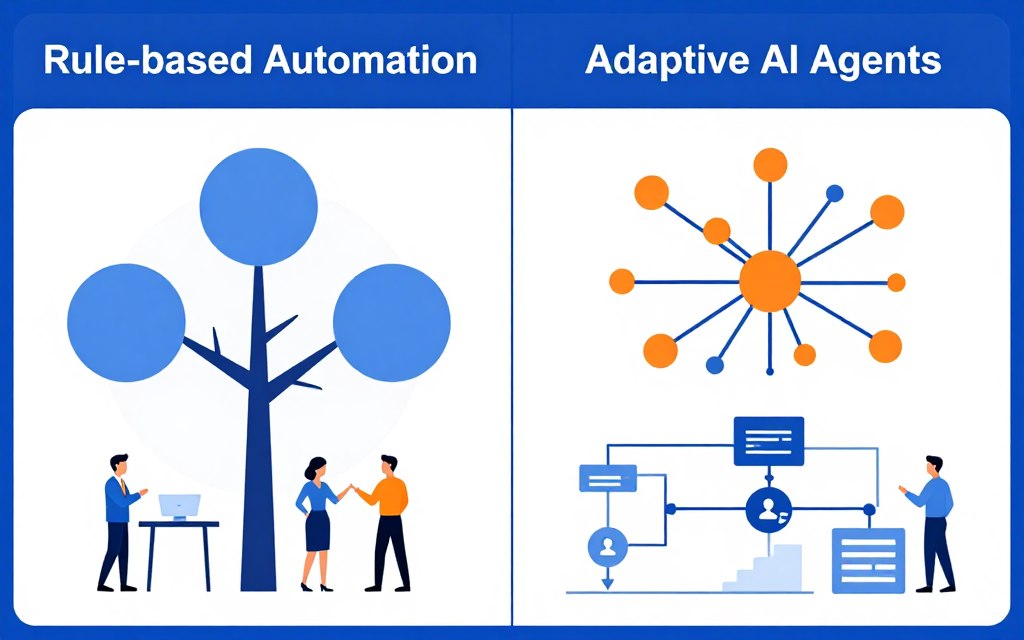
Traditional automation follows if-then rules. Someone programs every step. The system cannot handle unexpected situations. It breaks when conditions change.
AI agents work differently. They use LLM technology to understand context. They can interpret natural language instructions. These systems handle variations without new programming.
Traditional Automation Characteristics
- Fixed rule-based workflows that require manual updates
- Limited to structured data processing only
- Breaks when encountering exceptions or edge cases
- Requires technical teams for every modification
- Cannot learn from experience or improve over time
AI Agent Capabilities
- Adaptive decision-making based on context and goals
- Processes both structured and unstructured data seamlessly
- Handles exceptions through reasoning and problem-solving
- Teams can adjust behavior through natural language
- Continuous learning improves performance over time
How AI Agents Process Information
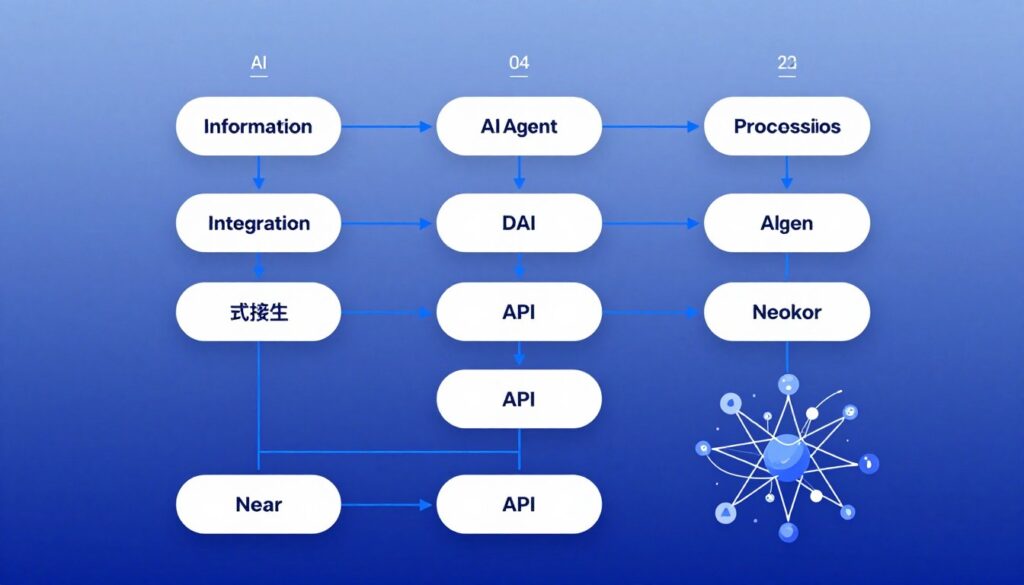
The agent receives a goal or task. It breaks down the objective into steps. The system accesses relevant data from multiple sources. Then it applies reasoning to determine the best approach.
Modern agents use various tools during this process. They can search databases, call APIs, or consult external systems. The LLM framework helps them understand which tool fits each situation.
These agents differ from chatbots in important ways. Chat interfaces just respond to messages. AI agents take action. They complete multi-step workflows without constant human guidance.
Key Components of Business AI Agents
Every effective agent platform includes several critical elements. The foundation is a strong language model. This gives the agent its reasoning ability.
Reasoning Engine
The core LLM processes natural language and makes decisions. It interprets instructions and determines appropriate actions based on context.
Tool Integration
Agents connect to business systems through APIs. They access data, trigger workflows, and interact with existing platforms seamlessly.
Memory System
Agents store context from previous interactions. This helps maintain consistency and improve performance over time through learning.
The platform layer provides control and monitoring. Teams want visibility into agent actions. Good platforms offer testing environments before deployment.
Integration capabilities determine practical value. An agent that cannot connect to your existing tools has limited use. The best platforms support hundreds of integrations out of the box.
Master AI Agent Implementation
Download our comprehensive 45-page guide covering AI agent architecture, implementation frameworks, and step-by-step deployment strategies for business teams.
How Companies Implement AI Agents in 2026
Successful implementation follows clear patterns. Companies that rush deployment face problems. Those that plan carefully see faster returns. The difference comes down to strategy.

Starting with High-Impact Use Cases
The smartest teams begin with specific problems. They identify repetitive tasks that consume significant time. Customer support, data entry, and scheduling top the list.
These initial projects build confidence. Teams learn how agents behave. They discover integration requirements. Early wins create momentum for broader adoption.
- Identify three to five high-volume, repetitive processes consuming team time each month
- Evaluate which tasks involve clear decision rules versus complex judgment requirements
- Calculate current cost and time investment for each potential automation target
- Select one pilot project with measurable outcomes and manageable complexity
- Define success metrics before deployment including accuracy, speed, and cost reduction
- Run parallel testing with human oversight for minimum 30-day validation period
Integration with Existing Workflows
AI agents work best when they fit into current processes. Companies avoid wholesale replacements. Instead, they augment existing workflows with intelligent automation.
The platform choice matters here. Tools like workflow builders let non-technical teams create integrations. Visual interfaces replace complex code. This speeds deployment dramatically.
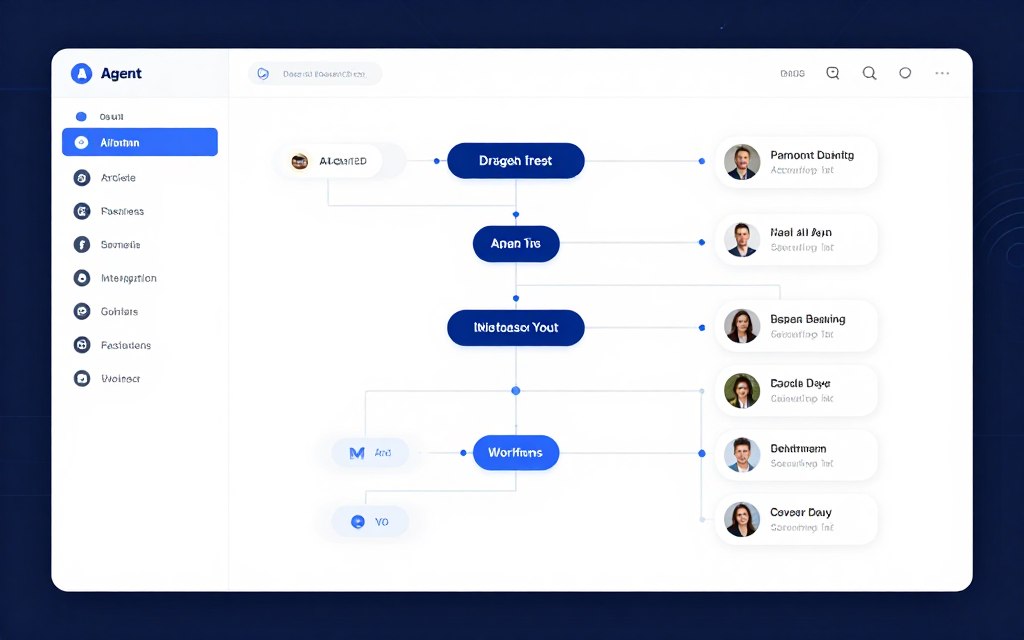
Many organizations start with no-code platforms. These systems offer pre-built templates. Teams customize agents without developer support. This approach democratizes automation across departments.
Building Custom Solutions vs Using Platforms
Technical teams face an important choice. Should they build agents from scratch or use existing platforms? The answer depends on specific needs and resources.
Benefits of Building Custom Agents
- Full control over agent behavior and decision logic
- Deep integration with proprietary systems and databases
- Customized security and compliance frameworks
- No vendor lock-in or recurring platform fees
- Flexibility to implement cutting-edge AI research
Platform Advantages
- Faster deployment with pre-built templates and frameworks
- Lower upfront costs and predictable monthly pricing
- Built-in integrations with popular business tools
- Regular updates and security patches from vendor
- Support teams and documentation for troubleshooting
Most companies adopt a hybrid approach. They use platforms for standard use cases. Custom development handles unique requirements. This balances speed with flexibility.
Team Training and Change Management
Technology alone does not guarantee success. People need time to adapt. Organizations invest in onboarding and skill development.
The best programs start small. A core team learns the platform first. They become internal champions. These experts then train other departments.

Change management addresses fears directly. Workers worry about job security. Clear communication helps. Companies explain how agents handle routine tasks while employees focus on higher-value work.
- Hands-on workshops with real business scenarios
- Dedicated time for experimentation and testing
- Internal community for sharing use cases
- Regular office hours with platform experts
- Documentation tailored to each department
- Certification programs for power users
Effective Training Approaches
- One-time overview sessions without follow-up
- Generic training not tied to actual workflows
- Expecting immediate adoption without support
- Focusing only on technical teams initially
- No clear path for asking questions
- Insufficient time allocated for learning curve
Common Training Mistakes
Business Functions Being Transformed by AI Agents
AI agents touch nearly every department. Some areas see more dramatic change than others. The following sections explore where automation creates the biggest impact in 2026.
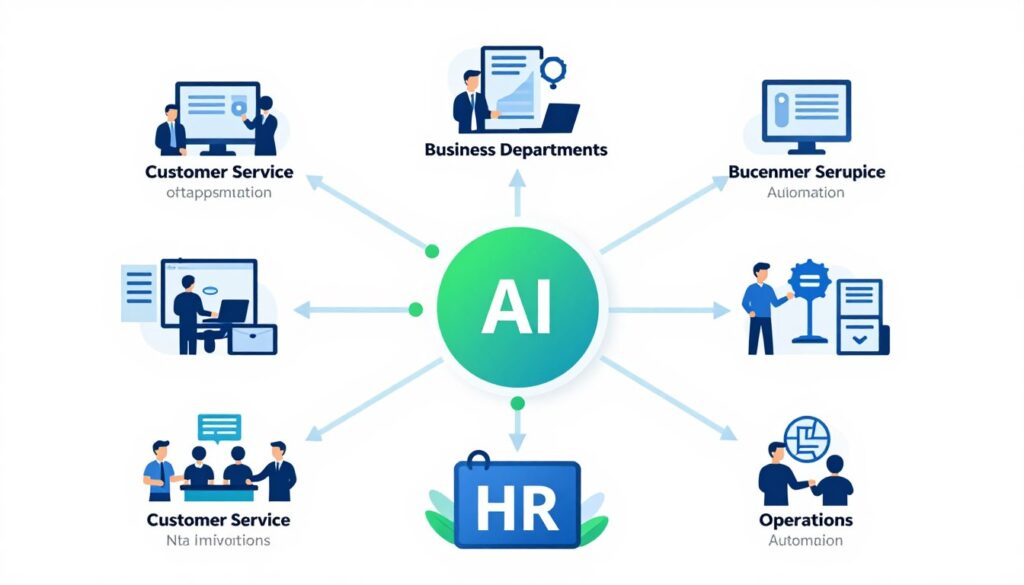
Customer Service Automation
Customer support teams were early adopters. AI agents now handle the majority of routine inquiries. They resolve issues faster than human agents in many cases.
These systems do more than answer questions. They access customer data across platforms. Agents see purchase history, previous support tickets, and account details. This context enables personalized responses.
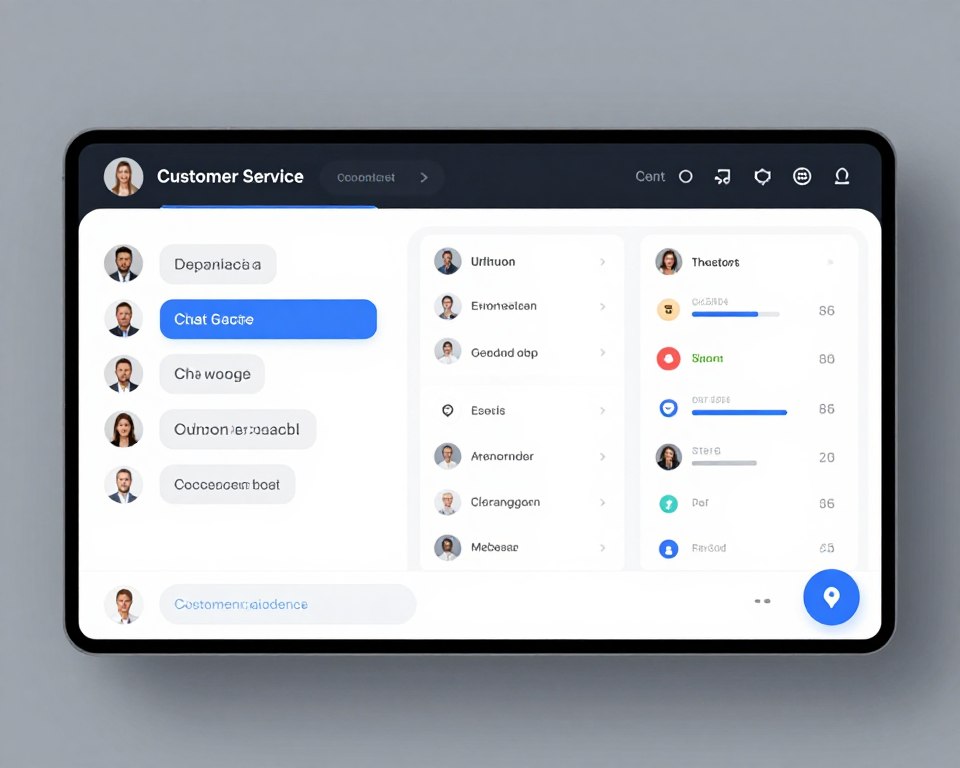
The voice channel saw significant advances. AI agents now handle phone support with natural-sounding conversations. Customers often cannot tell they are speaking with an automated system.
Complex cases still route to human agents. The AI handles initial triage. It gathers information and attempts resolution. Only unresolved issues reach the support team. This dramatically reduces queue times.
Sales Process Enhancement
Sales teams use agents throughout their workflows. Lead qualification happens automatically. The agent reviews incoming prospects against ideal customer criteria. It scores and routes leads to appropriate representatives.
Follow-up becomes consistent. Agents track every interaction. They send personalized messages at optimal times. No lead falls through the cracks due to manual oversight.
Lead Qualification
Agents analyze prospect data from multiple sources. They score leads based on fit and intent signals. Qualified opportunities route to sales reps automatically.
Meeting Scheduling
Agents coordinate calendars between prospects and sales teams. They handle rescheduling, send reminders, and prepare briefing documents for upcoming calls.
Proposal Generation
Systems create customized proposals using templates and customer data. Agents incorporate pricing, case studies, and relevant product information automatically.
Agents also support account management. They monitor customer health scores. When metrics indicate risk, agents alert the account team. Proactive outreach prevents churn.
Operations and Data Analysis
Operations teams benefit from intelligent data processing. Agents extract insights from vast information pools. They identify patterns humans might miss.
Supply chain management exemplifies this capability. Agents monitor inventory across locations. They predict demand fluctuations. The system automatically adjusts ordering to prevent stockouts or excess.
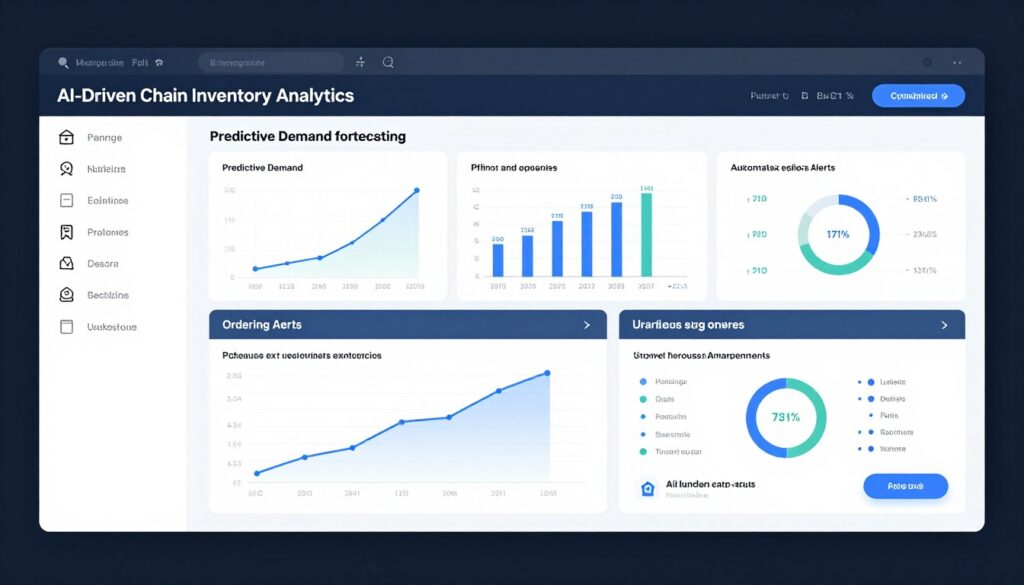
Financial operations gain similar advantages. Agents process invoices and receipts. They match transactions across systems. Discrepancies trigger automatic investigation workflows.
Reporting becomes real-time. Instead of waiting for monthly reports, teams access current insights. Agents generate custom analyses on demand. Decision-makers get answers in minutes, not days.
Human Resources and Recruitment
HR departments deploy agents across the employee lifecycle. Recruitment sees especially high impact. Resume screening happens instantly. Agents identify qualified candidates based on skills and experience.
The onboarding process becomes smoother. New employees interact with agents that answer common questions. Systems guide them through paperwork and training requirements. HR staff focus on personal connection rather than administrative tasks.
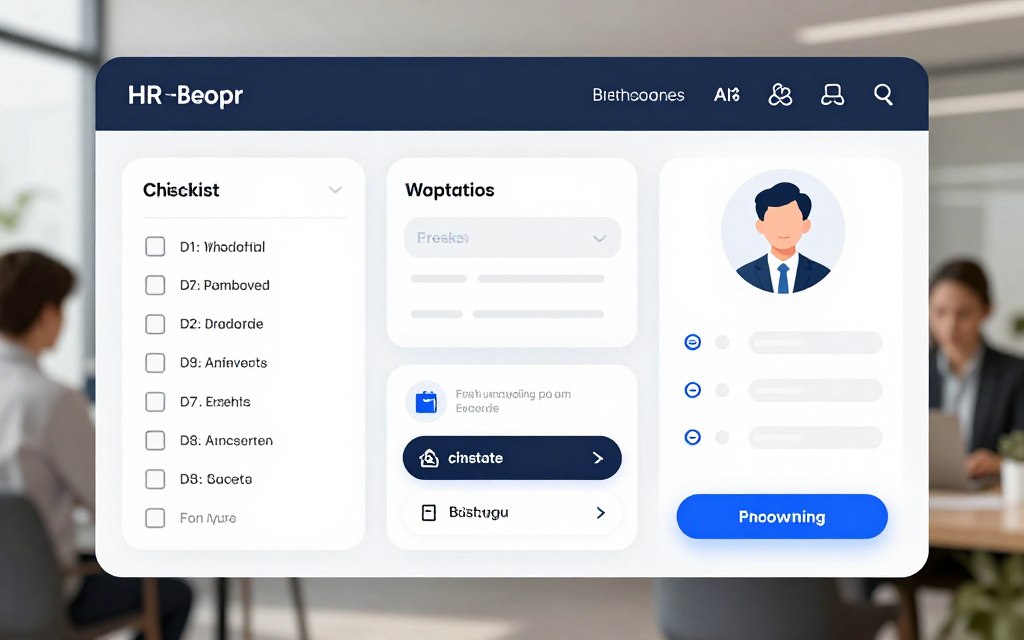
Employee support extends beyond onboarding. Agents answer policy questions, process time-off requests, and manage benefits enrollment. Workers get immediate assistance without waiting for HR availability.
Content Creation and Marketing
Marketing teams combine human creativity with agent efficiency. Agents handle research and data gathering. They analyze competitor content and identify trending topics.
Content production scales dramatically. Agents generate first drafts that humans refine. They adapt messaging for different channels and audiences. Personalization happens at scale previously impossible.

Marketing Applications
- Campaign performance analysis and optimization recommendations
- Social media content scheduling based on engagement patterns
- Email personalization using customer behavior data
- SEO research and keyword opportunity identification
- Ad copy testing with automated variant generation
- Competitive intelligence gathering and reporting
Campaign management becomes more sophisticated. Agents monitor performance across channels. They adjust budgets and targeting in real-time. Marketing teams make data-driven decisions faster than competitors.
See AI Agents in Action
Access our library of 25+ real-world case studies showing how companies across industries deployed AI agents to transform customer service, sales, operations, and more.
Benefits and Challenges of AI Agent Adoption
Organizations experience both advantages and obstacles during implementation. Understanding both sides helps set realistic expectations. The benefits often outweigh the challenges, but preparation matters.
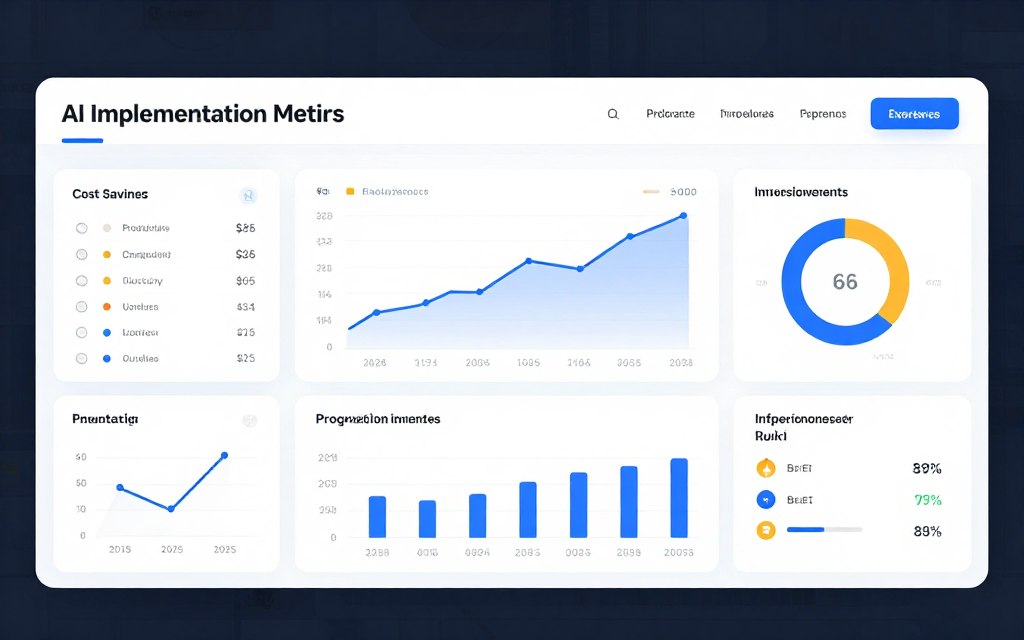
Measurable Business Advantages
Cost reduction tops the benefit list. Agents work continuously without overtime pay or benefits. A single agent can handle the workload of multiple employees. The savings accumulate quickly.
Speed improvements transform operations. Tasks that took hours complete in minutes. Customers get instant responses instead of waiting in queues. Faster execution means better customer experiences.
Accuracy increases when agents handle repetitive tasks. Humans make mistakes when bored or tired. Agents maintain consistent quality. Error rates drop significantly for data entry and processing.
Scalability becomes effortless. Growing traditional teams requires hiring, training, and time. Adding agent capacity takes minutes. Companies handle demand spikes without scrambling for resources.
Common Implementation Obstacles
Data quality issues surface quickly. Agents need clean, organized information. Many companies discover their data is messy. Cleanup becomes a prerequisite to effective automation.
Integration complexity surprises some teams. Legacy systems may lack modern APIs. Connecting agents requires additional development work. Budget for integration support when planning projects.

- Legacy system integration requires custom API development
- Data silos prevent agents from accessing complete information
- Security policies may restrict agent permissions
- Testing environments need replication of production systems
- Performance monitoring requires new observability tools
Technical Challenges
- Employee resistance due to job security concerns
- Lack of clear ownership for agent operations
- Insufficient budget allocation for proper implementation
- Unrealistic expectations about agent capabilities
- Poor communication about automation strategy
Organizational Challenges
Skills gaps affect many organizations. Building custom agents requires developer expertise. Even no-code platforms need someone who understands workflow design. Invest in training or hire specialists.
Managing Risk and Compliance
Regulatory concerns vary by industry. Healthcare and finance face strict compliance requirements. Agents handling sensitive data need proper controls.
Companies implement governance frameworks. These define what agents can access and change. Approval workflows prevent unauthorized actions. Audit trails track every decision for compliance reviews.
Important: Before deploying agents that handle customer data, consult your legal and compliance teams. Different regulations apply to different industries and regions. GDPR, HIPAA, and other frameworks have specific requirements for automated decision-making.
Testing becomes more critical with AI agents. Their behavior can be less predictable than traditional software. Comprehensive test cases help identify edge cases. Teams run parallel operations during transition periods.
Calculating Return on Investment
ROI measurement requires clear baselines. Document current process costs before implementation. Track time spent on tasks that agents will automate.
The calculation includes both hard and soft benefits. Hard savings come from reduced labor costs. Soft benefits include faster response times and improved customer satisfaction.
| Cost Factor | Traditional Approach | With AI Agents | Savings |
| Customer Support (per month) | $45,000 | $18,000 | 60% |
| Data Entry Operations | $32,000 | $8,000 | 75% |
| Lead Qualification | $25,000 | $7,500 | 70% |
| Reporting and Analysis | $28,000 | $9,500 | 66% |
| Document Processing | $22,000 | $6,000 | 73% |
Most companies see positive ROI within six to twelve months. The payback period depends on use case complexity. Simple automations return value faster than complex workflows.
Selecting the Best AI Agent Platform for Your Business
The platform market offers many options. Each has different strengths. The right choice depends on your specific needs and technical capabilities.
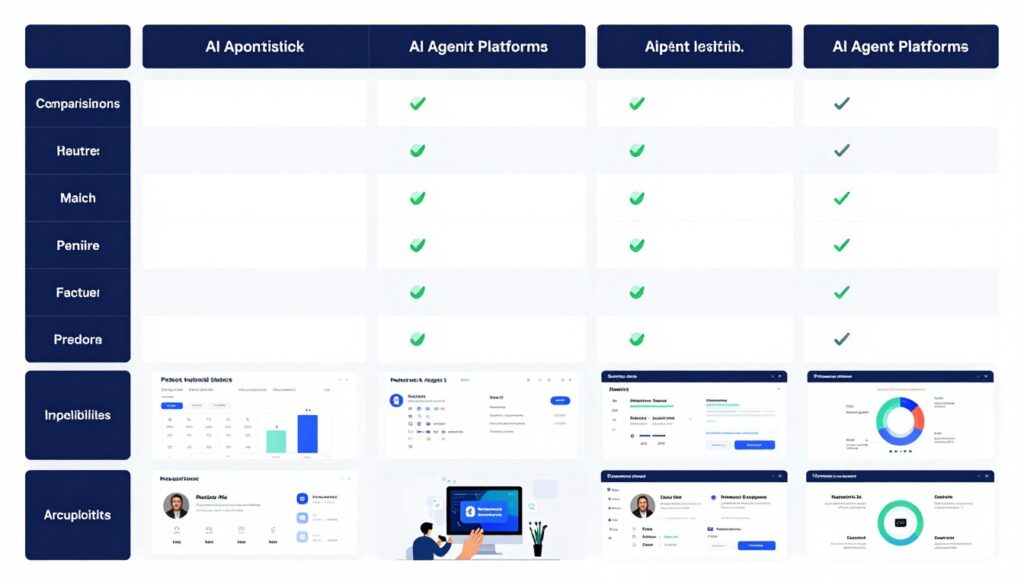
Key Evaluation Criteria
Start by assessing your team’s technical skills. Developers can work with code-based frameworks. Non-technical teams need visual workflow builders. This fundamental choice narrows options significantly.
Integration requirements matter greatly. List every system agents must connect to. Check which platforms support those integrations natively. Custom API work adds cost and time.
For Technical Teams
Developer-focused platforms offer maximum flexibility and control over agent behavior and workflows.
- Full code access for custom logic implementation
- Advanced debugging and testing tools built-in
- Direct LLM model selection and configuration
- Version control integration with Git workflows
For Business Teams
No-code platforms enable rapid deployment without requiring programming skills or developer resources.
- Visual workflow builders with drag-and-drop interface
- Pre-built templates for common business use cases
- Natural language configuration instead of coding
- Quick deployment with minimal technical overhead
Pricing Considerations
Platform pricing models vary significantly based on usage metrics and included features.
- Per-agent pricing versus usage-based billing models
- Free plan limitations and upgrade requirements
- Enterprise pricing for high-volume operations
- Additional costs for premium support and onboarding
Support and Community
Strong support resources accelerate implementation and reduce troubleshooting time significantly.
- Documentation quality and comprehensiveness
- Active community forums for peer assistance
- Availability of professional services for complex projects
- Regular platform updates and feature releases
Popular Platform Categories
The market divides into several categories. Enterprise platforms serve large organizations. They offer robust security and compliance features. Pricing reflects these advanced capabilities.
Small business platforms prioritize ease of use. They have simpler pricing models. Features focus on common use cases. These tools work well for teams just starting with automation.

Developer frameworks give maximum control. These platforms expose underlying AI models. Teams build exactly what they need. The tradeoff is longer development time.
Platform Comparison Factors
Look beyond feature lists to actual usability. Request demos with your specific use cases. Test platforms with realistic data. Performance varies significantly.
Enterprise Platforms
Best agent platforms for large organizations need advanced security, compliance frameworks, and scalability.
- SSO and enterprise authentication support
- Detailed audit logs and compliance reporting
- Dedicated account management teams
- Custom SLA guarantees for uptime
- On-premise deployment options available
Typical Pricing: $5,000-50,000 per month
Mid-Market Solutions
Balanced platforms offering strong features without enterprise complexity or cost structures.
- Team collaboration features and permissions
- 200-plus integrations with business tools
- Visual workflow builder for business users
- Standard API access for custom development
- Email and chat support with response SLAs
Typical Pricing: $500-5,000 per month
Small Business Tools
Accessible platforms designed for teams without dedicated technical resources or large budgets.
- No-code setup with pre-built templates
- Essential integrations for popular tools
- Community support and documentation
- Monthly pricing with no long-term contracts
- Quick onboarding in under one day
Typical Pricing: $50-500 per month
Making the Final Decision
Create a scoring matrix with weighted criteria. Technical fit, pricing, and support quality should carry the most weight. User reviews provide valuable insights.
Start with a pilot program on one platform. Run it for 60-90 days. Measure results against your success criteria. This validates the choice before full commitment.
Pro Tip: Most platforms offer free trials or pilot programs. Use this time to test with real workflows and actual team members. Theory differs from practice when it comes to platform usability.
Consider vendor stability. Check company funding and customer base. Platforms from established vendors offer more security. Newer entrants may provide cutting-edge features but carry more risk.
Future of AI Agents in Business Through 2026 and Beyond
The current wave of adoption is just the beginning. Technology continues advancing rapidly. Companies that stay informed about emerging trends maintain competitive advantage.

Emerging Capabilities on the Horizon
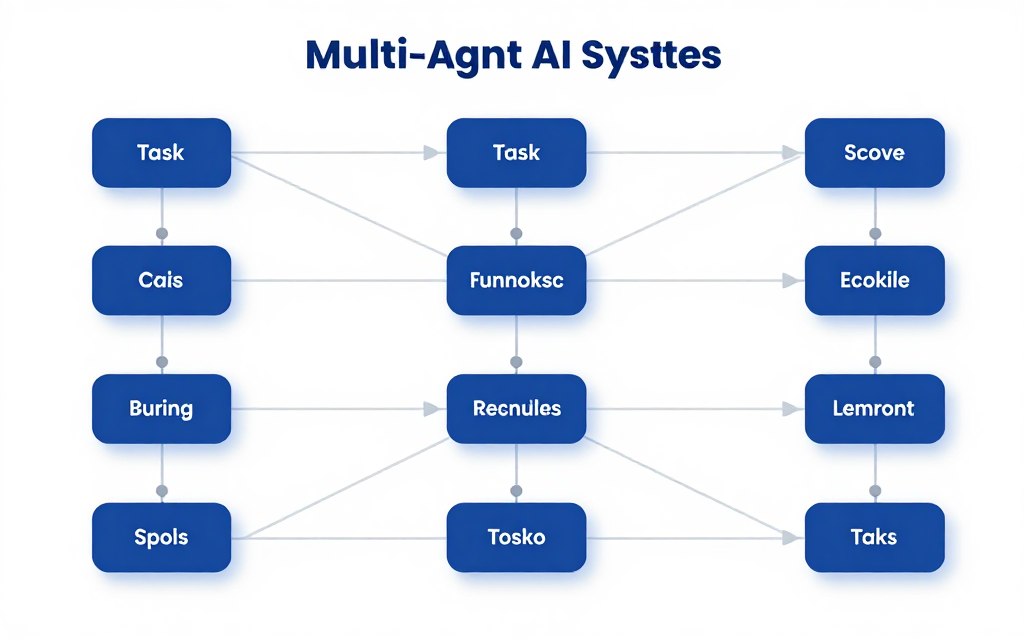
Multi-agent systems represent the next evolution. Instead of single agents, multiple specialized agents collaborate. One handles research, another makes decisions, a third executes actions. This division of labor mirrors human teams.
The agents communicate with each other. They share context and coordinate activities. Complex workflows that required human orchestration become fully automated. Productivity gains multiply.
Reasoning capabilities are improving dramatically. New LLM models show stronger logical thinking. They solve problems requiring multiple steps. Math and code generation accuracy increases steadily.
Industry-Specific Agent Development
Generic platforms work for common tasks. Specialized agents target specific industries. Healthcare agents understand medical terminology and protocols. Legal agents navigate regulatory frameworks.
These domain-specific tools provide better accuracy. They come pre-trained on industry data. Implementation time drops because less customization is needed. Expect more vertical-specific solutions throughout 2026.
Healthcare AI Agents

Specialized agents handle patient scheduling, medical record analysis, insurance verification, and treatment plan optimization while maintaining HIPAA compliance.
Financial Services Agents
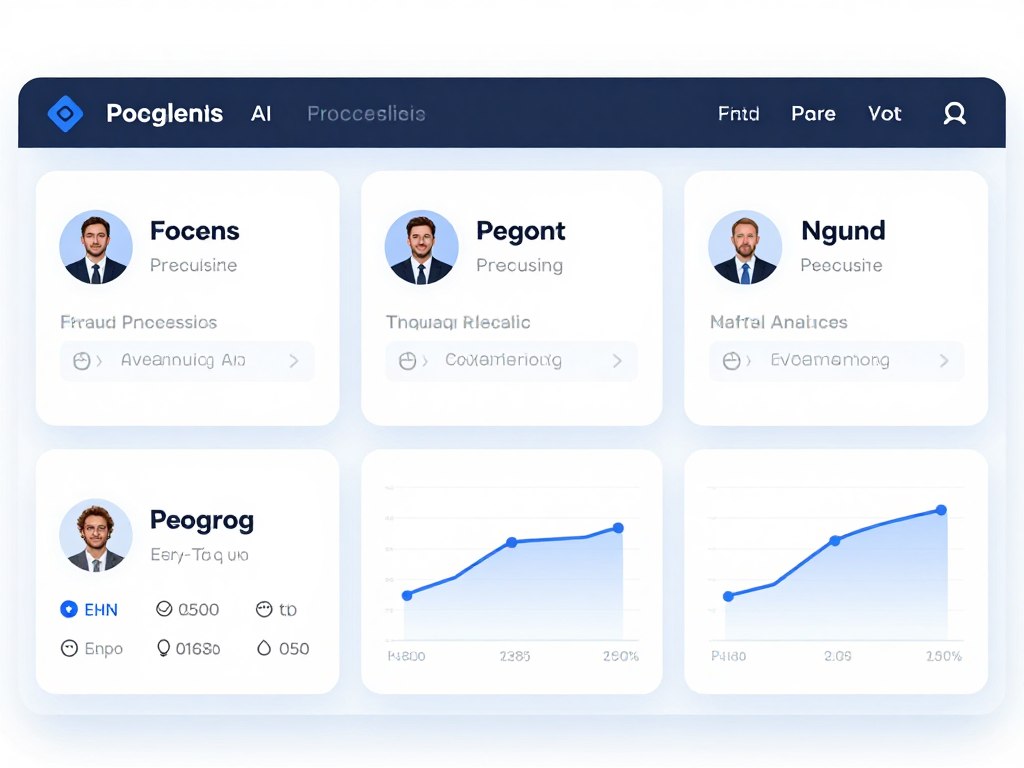
Banking agents automate fraud detection, loan processing, portfolio analysis, and regulatory compliance reporting with industry-specific security frameworks.
Manufacturing Agents

Production agents optimize supply chains, predict equipment maintenance needs, manage quality control, and coordinate just-in-time inventory systems.
Integration with Emerging Technologies
AI agents increasingly connect with other advanced technologies. Internet of Things devices provide real-time data streams. Agents process sensor information and trigger actions automatically.
Blockchain integration enables secure, verifiable agent transactions. Smart contracts execute when agents complete specific tasks. This creates audit trails for compliance and verification.
Augmented reality interfaces let workers interact with agents in new ways. Instead of typing queries, users speak naturally or use gestures. The technology becomes more intuitive and accessible.
Regulatory and Ethical Considerations
Governments worldwide are developing AI regulations. These rules will affect how companies deploy agents. Europe leads with comprehensive frameworks. Other regions are following.
Regulatory Alert: The European Union’s AI Act classifies certain automated decision-making systems as high-risk. Companies operating in the EU should review compliance requirements before deploying agents that affect employment, credit, or law enforcement decisions.
Transparency requirements are becoming standard. Organizations must explain how agents make decisions. Documenting agent logic and training data becomes essential. Plan for increased scrutiny and reporting obligations.
Ethical guidelines are emerging from industry groups. These address bias, fairness, and accountability. Companies that adopt strong ethical frameworks early build trust. This becomes a competitive advantage.
Predictions for Mass Adoption
By late 2026, AI agents will be standard in most industries. The question shifts from “should we use agents” to “which processes should we automate next.” Laggards face serious competitive disadvantages.
Pricing continues declining as competition increases. What costs thousands per month today may cost hundreds tomorrow. Smaller businesses gain access to tools once reserved for enterprises.
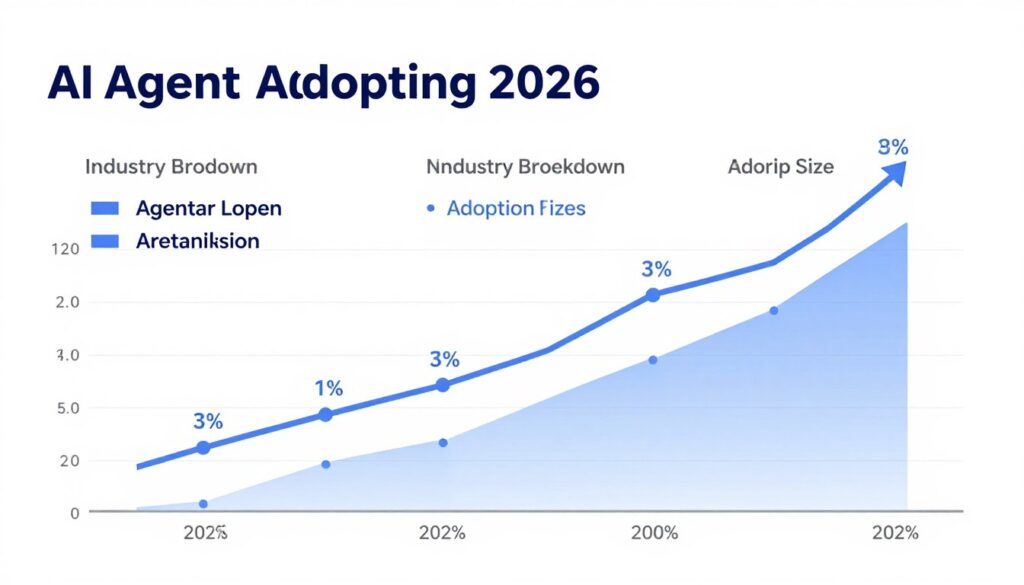
The workforce adapts to working alongside agents. New job categories emerge around agent management and optimization. Traditional roles evolve to focus on tasks requiring human judgment and creativity.
| Timeframe | Expected Capability | Business Impact | Adoption Level |
| Q1-Q2 2026 | Enhanced reasoning and multi-step problem solving | Complex workflows automation without human oversight | 45% of mid-market |
| Q3-Q4 2026 | Multi-agent collaboration frameworks mature | End-to-end process automation across departments | 60% of enterprises |
| 2027 | Industry-specific agents become standard | Specialized automation with minimal customization | 75% mainstream |
| 2028 | Autonomous decision-making in defined domains | Strategic business functions automated with human approval | 85% saturation |
Education systems are responding. Business schools teach agent management. Technical programs focus on agent development. The skills gap will narrow as training catches up to demand.
Real-World Success Stories: Companies Using AI Agents
Theory matters less than proven results. The following examples show how actual companies deployed agents successfully. These case studies span different industries and company sizes.

E-commerce Customer Support Transformation
A mid-sized online retailer faced growing support costs. Their customer service team struggled with volume during peak seasons. Wait times frustrated customers and hurt satisfaction scores.
They deployed AI agents to handle common inquiries. The agents accessed order status, processed returns, and answered product questions. Complex issues still routed to human agents.
“Our support costs dropped 65% within the first quarter. More importantly, customer satisfaction scores increased because response times went from hours to seconds. The agents handle routine questions perfectly, freeing our team to solve complex problems.”

The company now handles three times the customer volume with the same size support team. Response time averages under 30 seconds. First-contact resolution rates improved from 60% to 85%.
Financial Services Lead Qualification
A wealth management firm wasted sales time on unqualified prospects. Representatives spent hours researching leads before initial contact. Many turned out to be poor fits.
They implemented agents for lead scoring and qualification. The system analyzed prospect data from multiple sources. It scored leads based on assets, investment goals, and demographic factors.
Qualified leads went directly to appropriate advisors. The agent prepared briefing documents with relevant research. Representatives arrived at calls fully prepared.
Implementation Results
- Lead qualification time reduced from 2 hours to 5 minutes per prospect
- Sales team productivity increased by 40% in first quarter
- Conversion rates improved from 12% to 23% due to better targeting
- Advisor satisfaction scores rose as they spent time with qualified prospects
- Revenue per advisor increased 35% year-over-year after implementation

Manufacturing Supply Chain Optimization
A manufacturing company struggled with inventory management. Stockouts delayed production while overstock tied up capital. Manual forecasting proved unreliable.
They deployed agents to monitor inventory levels across facilities. The system analyzed historical data, seasonal patterns, and current trends. It predicted demand and automatically adjusted orders.

Procurement agents coordinated with suppliers. They negotiated delivery schedules based on production needs. The entire supply chain became more responsive.
“We reduced inventory carrying costs by $2.3 million annually while eliminating stockouts. The agents react to changes faster than our procurement team ever could. Production runs smoothly because materials arrive exactly when needed.”
Healthcare Administrative Workflow
A hospital network buried staff in administrative paperwork. Insurance verification took hours. Appointment scheduling consumed significant resources. Staff wanted to focus on patient care instead.
They implemented agents for administrative tasks. The system verified insurance eligibility automatically. It scheduled appointments based on provider availability and patient preferences.
Medical records agents extracted key information for provider review. They flagged potential drug interactions and updated patient histories. Doctors spent more time with patients and less on paperwork.
Time Savings
Administrative tasks that consumed 6 hours daily per staff member reduced to 45 minutes of oversight and exception handling.
Accuracy Improvement
Insurance verification errors dropped from 8% to under 1%, reducing claim rejections and revenue delays significantly.
Patient Satisfaction
Appointment scheduling satisfaction scores increased 28% due to faster booking and better time slot options.
Marketing Campaign Automation
A B2B software company needed to scale marketing without expanding the team. They wanted personalization but lacked resources for manual customization.
Marketing agents analyzed prospect behavior across channels. They identified engagement patterns and interest signals. The system generated personalized email sequences for each prospect segment.

Content agents adapted messaging based on industry and company size. They tested subject lines and call-to-action variations. Performance data fed back into the system for continuous improvement.
The results exceeded expectations. Email engagement rates doubled. Lead quality improved as messaging better matched prospect needs. The marketing team scaled output without hiring.
Ready to Transform Your Business with AI Agents?
Schedule a free 30-minute consultation with our AI implementation specialists. We’ll analyze your workflows, identify automation opportunities, and create a custom roadmap for your business.
Your Roadmap to AI Agent Implementation
Starting with AI agents feels overwhelming. Breaking the process into clear steps makes it manageable. The following framework guides organizations from initial exploration to successful deployment.
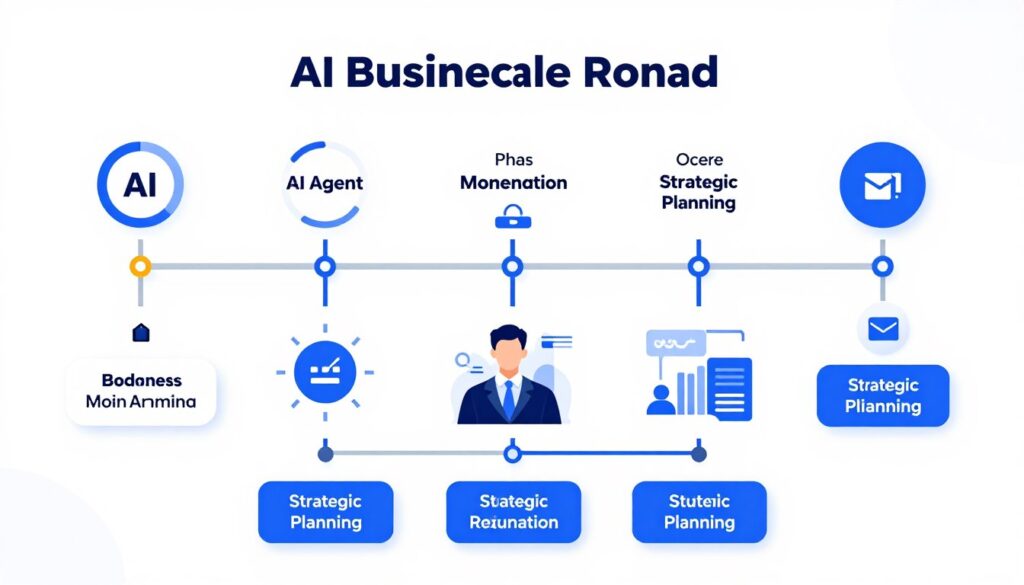
Phase One: Assessment and Planning
Begin with an honest assessment of current operations. Document workflows that consume the most time. Identify bottlenecks and pain points. This creates your automation opportunity map.
Gather input from teams who do the work. They understand process details that management might miss. Their buy-in during planning ensures smoother adoption later.
- Map your top five most time-consuming business processes in detail
- Calculate current costs including labor, tools, and error correction
- Interview team members about pain points and workflow frustrations
- Identify which processes have clear rules versus requiring human judgment
- Assess data quality and availability for potential automated processes
- Determine budget range for initial pilot project and ongoing operations
- Set specific, measurable success criteria before selecting a use case
Choose a pilot project carefully. It should be important enough to matter but not so critical that failure causes major problems. Success builds momentum. Pick something achievable.
Phase Two: Platform Selection and Setup
Research platforms based on your assessment findings. Request demos from top candidates. Test with realistic scenarios using actual data when possible.

Consider total cost of ownership beyond subscription fees. Factor in integration development, training time, and ongoing support. The cheapest platform often costs more long-term.
- Integration support for your existing business tools
- User interface matches team technical skill level
- Pricing model aligns with expected usage patterns
- Security features meet your compliance requirements
- Vendor provides adequate documentation and support
- Platform has proven track record in your industry
- Trial period allows realistic testing with real data
- Scalability supports future growth without platform change
Platform Selection Checklist
- Start with sandbox environment before production
- Document integration requirements and data flows
- Configure proper permissions and access controls
- Establish testing protocols for agent behavior
- Create rollback procedures in case of issues
- Set up monitoring and logging from day one
- Build knowledge base of common configurations
- Schedule regular platform reviews and optimization
Setup Best Practices
Allocate time for proper setup. Rushing this phase creates problems later. Good foundation work pays dividends throughout the agent lifecycle.
Phase Three: Development and Testing
Build your first agent iteratively. Start with basic functionality. Test thoroughly before adding complexity. This approach identifies issues early when fixes are easier.
Create comprehensive test cases. Include edge cases and error scenarios. Agents should handle unexpected inputs gracefully. Document how the agent responds to various situations.

Run parallel operations during testing. The agent performs tasks while humans do the same work. Compare results to verify accuracy. This builds confidence before full deployment.
Phase Four: Deployment and Monitoring
Launch gradually rather than switching everything at once. Start with a small user group or limited scope. Monitor closely for issues. Expand as confidence grows.
Establish clear metrics from the start. Track both technical performance and business outcomes. Response time, accuracy, cost savings, and user satisfaction all matter.
Critical Success Factor: Assign specific ownership for agent operations. Someone needs responsibility for monitoring performance, addressing issues, and coordinating improvements. Agents without owners drift and underperform.
Create feedback loops with users. They will discover issues and opportunities you missed. Act on this input quickly. Responsive iteration builds trust and adoption.
Phase Five: Optimization and Scaling
Once the pilot runs smoothly, analyze performance data. Identify areas for improvement. Agents can always work better with refinement.
Look for additional automation opportunities. Success with one process reveals others ready for agents. Build a pipeline of projects based on lessons learned.
Share successes across the organization. Internal marketing accelerates adoption. Other teams want similar benefits when they see proven results.
Starter Package
Perfect for teams new to AI agents who want guidance through initial implementation.
- Process assessment and use case identification
- Platform selection consultation and setup
- One pilot agent development and deployment
- 30 days of post-launch support and optimization
- Team training for ongoing agent management
Timeline: 6-8 weeks to full deployment
Growth Package
For organizations ready to scale automation across multiple departments and workflows.
- Comprehensive automation opportunity analysis
- Multi-agent development for 3-5 use cases
- Enterprise platform setup and integration
- Change management and team onboarding
- 90 days of optimization and expansion support
Timeline: 12-16 weeks to full deployment
Enterprise Package
Complete transformation program for large organizations implementing AI agents at scale.
- Enterprise-wide automation strategy development
- Custom agent framework and governance model
- Unlimited agent development and deployment
- Dedicated implementation team and support
- Ongoing optimization and expansion services
Timeline: 6-12 months phased deployment
Frequently Asked Questions About AI Agents for Business
Business leaders ask similar questions about AI agents. The following answers address the most common concerns and clarify key concepts.

How much do AI agents typically cost for a small business?
Pricing varies significantly based on platform choice and usage. Small business platforms start around $50-200 per month for basic plans. These typically include limited agent runs and standard integrations.
Mid-tier platforms cost $500-2,000 per month with more generous usage limits and advanced features. Enterprise solutions start at $5,000 monthly but provide unlimited scaling and premium support.
Consider total costs beyond subscription fees. Integration development, training time, and consulting support add to the budget. Most small businesses should plan $3,000-10,000 for initial implementation including first-year platform costs.
Do I need technical skills to implement AI agents?
The answer depends on your chosen platform and use case complexity. No-code platforms enable business users to build simple agents without programming skills. These visual workflow builders use drag-and-drop interfaces.
More complex scenarios benefit from technical expertise. Custom integrations, advanced logic, and enterprise deployments often require developer support. Many companies start with no-code tools and add technical resources as needs grow.
Platform vendors typically offer implementation services. This lets non-technical teams deploy agents successfully. Training programs also help business users build agent development skills over time.
How long does it take to see ROI from AI agents?
Most organizations see positive returns within six to twelve months. Simple use cases like customer support automation often pay back in three to six months. Complex implementations take longer but deliver larger benefits.
Time to value depends on several factors. Well-defined processes automate faster. Clean data enables quicker deployment. Strong internal buy-in accelerates adoption and impact.
Early wins build momentum for additional projects. The second and third agents deploy faster than the first. Learning curve benefits compound as teams gain experience and confidence with the technology.
Will AI agents replace my employees?
AI agents typically augment rather than replace workers. They handle repetitive, time-consuming tasks. This frees employees to focus on activities requiring human judgment, creativity, and relationship skills.
Job roles evolve instead of disappearing. Customer service reps shift from answering routine questions to solving complex problems. Data analysts spend less time gathering information and more time generating insights.
Some positions may become redundant as efficiency improves. However, most organizations redeploy rather than reduce staff. Growing companies use agents to scale without proportional hiring. Transparent communication about these changes reduces employee anxiety.
What happens if an AI agent makes a mistake?
Agents make errors like any system. Good implementations include safeguards to catch and correct mistakes. Human review workflows flag high-risk decisions before execution.
Start with low-stakes processes during initial deployment. Build confidence before automating critical functions. Parallel operations during testing identify accuracy issues before full reliance on agents.
Most platforms provide audit trails showing agent decision logic. This enables troubleshooting when issues occur. Regular monitoring helps catch problems early. Well-designed systems fail gracefully with clear error messages rather than cascading failures.
How do I ensure data security with AI agents?
Security requires multiple layers of protection. Choose platforms with strong security credentials including SOC 2 compliance and encryption standards. Review vendor security documentation carefully.
Implement proper access controls limiting what agents can view and modify. Use role-based permissions matching the principle of least privilege. Regularly audit agent permissions and activities.
For sensitive data, consider on-premise deployment or private cloud options. These provide more control than public cloud solutions. Consult your security team before deploying agents that access confidential information.
Data handling policies should specify how agents use and store information. Regular security reviews ensure continued compliance as agent usage expands across the organization.
Can AI agents integrate with our existing software?
Modern agent platforms support hundreds of integrations with popular business tools. Common systems like CRM, email, project management, and accounting software typically connect easily.
Proprietary or legacy systems may require custom API development. Assess integration requirements during platform selection. Vendors often provide integration services for systems without pre-built connectors.
API availability matters more than system age. Older software with good APIs integrates better than modern tools without proper interfaces. Evaluate your critical systems before committing to a platform.
What metrics should I track to measure agent performance?
Track both operational and business metrics. Operational measures include task completion rate, average processing time, and error frequency. These show technical performance.
Business metrics connect to company goals. Common examples include cost per transaction, customer satisfaction scores, revenue per employee, and time to resolution. Choose metrics aligned with your automation objectives.
Monitor adoption rates across teams. Low usage indicates training gaps or usability issues. User feedback scores reveal satisfaction with agent performance. Regular metric reviews identify optimization opportunities.
Taking Action on AI Agent Opportunities
The evidence is clear. AI agents transform how businesses operate. Companies that embrace this technology gain significant advantages. Those that wait fall behind competitors.

The window for early-adopter advantage is closing. AI agents move from experimental to mainstream. By late 2026, they become table stakes in most industries. Starting now positions your organization ahead of this curve.
Begin with education. Share this knowledge with your team. Discuss which processes cause the most friction. Identify where automation creates the biggest impact.
Take small steps rather than attempting massive transformation. One successful pilot builds confidence and skills. Success breeds more success as adoption spreads.
The future belongs to organizations that blend human creativity with agent efficiency. Workers focus on strategy, relationships, and innovation. Agents handle execution, analysis, and routine tasks. This partnership amplifies what both do best.
Your competitors are already exploring these capabilities. Some have deployed working agents. The question is not whether to adopt AI agents but how quickly you can implement them effectively.
Download Your Free AI Agent Implementation Toolkit
Get instant access to our comprehensive toolkit including process assessment templates, platform comparison checklist, ROI calculator, implementation timeline, and 50-page best practices guide. Everything you need to start your AI agent journey today.
The transformation is happening now. Companies are automating work at unprecedented scale. AI Agents for Business are not future technology. They are current reality reshaping competitive landscapes.
Your next move determines your position in this new landscape. Education leads to exploration. Exploration leads to experimentation. Experimentation leads to transformation. Start that journey today.