
The artificial intelligence landscape continues to evolve at a breathtaking pace, with groundbreaking innovations emerging almost daily. This week has been particularly eventful, with major announcements from industry leaders, breakthrough research publications, and significant policy developments. Our comprehensive roundup brings you the most important AI news this week, curated to keep you informed about the technologies shaping our future.
Stay Updated on AI Developments
Never miss the latest AI breakthroughs, industry news, and technological advancements. Subscribe to our weekly AI newsletter delivered straight to your inbox.
Major AI Company Announcements

AWS’s Legacy Will Be in AI Success
Amazon Web Services has positioned itself as a cornerstone in the AI infrastructure space, committing up to $50 billion to build AI and supercomputing infrastructure specifically for U.S. government agencies. This massive investment will expand data centers across AWS’s secure Top Secret, Secret, and GovCloud regions, adding nearly 1.3 gigawatts of compute capacity.
The initiative will provide federal agencies with access to AWS’s complete stack of AI tools, including foundational models and hardware accelerators, enabling large-scale AI deployments for missions ranging from cybersecurity to scientific research.

Walmart’s AI Strategy: Beyond the Hype
Retail giant Walmart has revealed details about its practical AI implementation strategy, focusing on tangible results rather than technological showmanship. The company has successfully deployed AI systems for inventory management, reducing out-of-stock instances by 21%, and implemented predictive analytics for supply chain optimization.
Walmart’s approach emphasizes measurable business outcomes over technological novelty, with AI solutions that directly address core retail challenges. Their strategy includes careful testing in limited store environments before wider deployment.

CEOs Still Betting Big on AI Despite ROI Challenges
A new survey reveals that 78% of Fortune 500 CEOs continue to increase AI investments despite mixed returns on initial projects. The research indicates a strategic shift from experimental AI to more focused implementations tied to specific business outcomes.
While only 32% of companies report significant ROI from their AI initiatives so far, 91% believe AI will be essential to maintaining competitive advantage by 2027. The findings suggest a maturing approach to AI adoption, with executives taking a longer-term view of potential returns.
BBVA Embeds AI into Banking Workflows
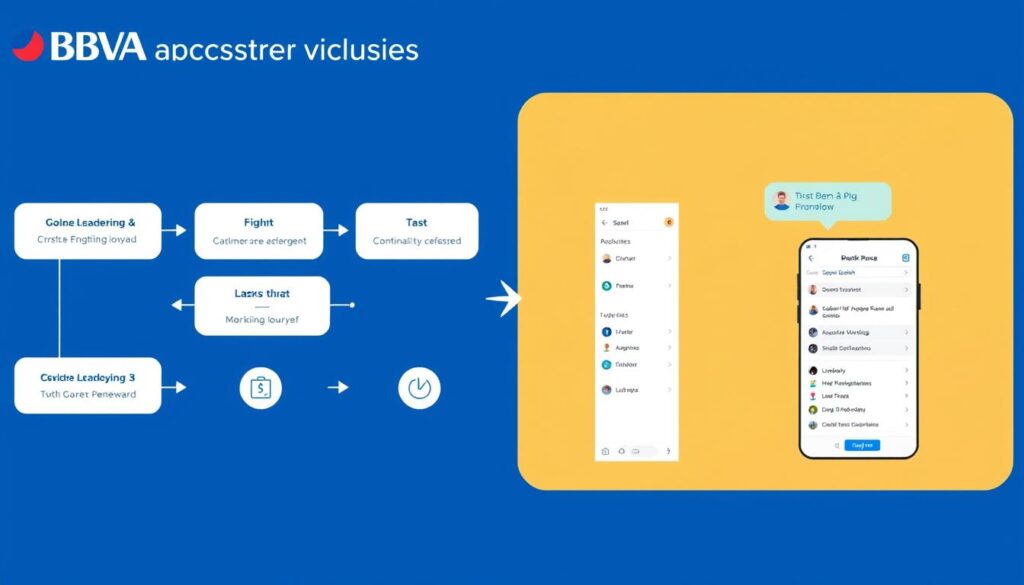
Spanish multinational bank BBVA has announced a comprehensive integration of ChatGPT Enterprise into its core banking workflows. The implementation allows bank employees to leverage AI for customer service inquiries, transaction analysis, and regulatory compliance checks.
Early results show a 34% reduction in time spent on routine tasks and a 28% improvement in customer query resolution speed. BBVA’s approach focuses on augmenting human capabilities rather than replacing staff, with AI handling repetitive tasks while employees focus on complex decision-making and relationship building.

Accenture and Anthropic Partner for Enterprise AI
Global consulting firm Accenture has formed a strategic partnership with AI company Anthropic to accelerate enterprise AI adoption. The collaboration will combine Anthropic’s Claude AI models with Accenture’s industry expertise to develop customized AI solutions for large organizations.
The partnership aims to address key challenges in enterprise AI implementation, including data integration, workflow redesign, and responsible AI governance. Initial focus areas include financial services, healthcare, and manufacturing, with plans to expand to additional sectors in 2026.
Breakthrough AI Research and Discoveries

Deep-Learning Model Predicts Fruit Fly Development Cell by Cell
MIT researchers have developed a groundbreaking deep-learning model that can predict how fruit flies form on a cell-by-cell basis. This remarkable achievement allows scientists to track and predict the development of complex organisms with unprecedented precision.
The approach has significant implications for understanding more complex tissues and organs, potentially helping researchers identify early signs of disease. By modeling developmental processes at the cellular level, the system could revolutionize our understanding of embryonic development and genetic disorders.
DisCIPL: Small Language Models Tackle Complex Reasoning
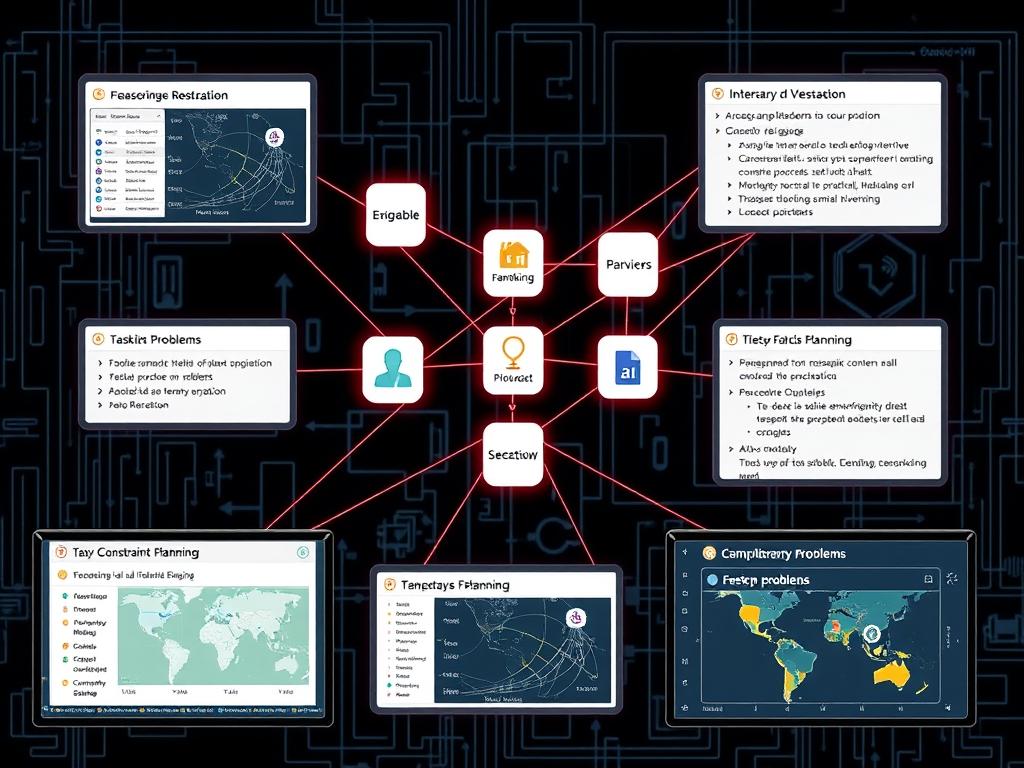
A new “self-steering” system called DisCIPL enables small language models to work together effectively on complex reasoning tasks with constraints, such as itinerary planning and budgeting. This innovation challenges the assumption that only large language models can handle sophisticated reasoning problems.
By coordinating multiple specialized smaller models, DisCIPL achieves comparable results to much larger models while using significantly less computational resources. This approach could make advanced AI capabilities more accessible to organizations with limited computing infrastructure.
Smarter Reasoning: LLMs That Adjust Computation Based on Difficulty
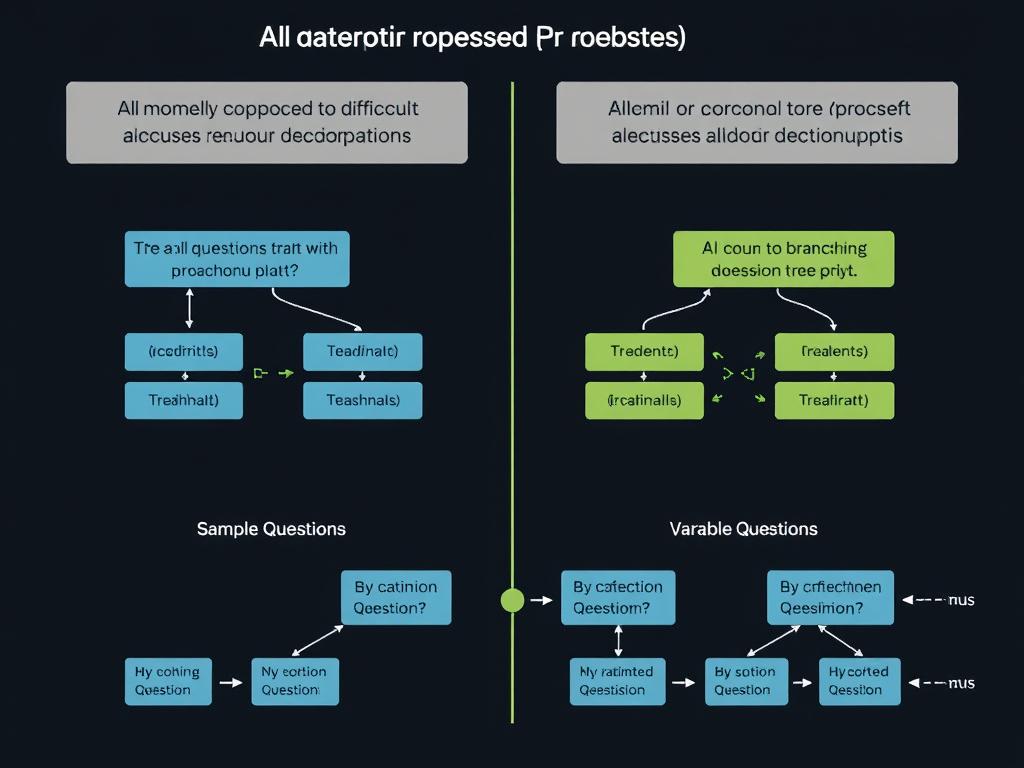
Researchers have developed a new technique that enables large language models to dynamically adjust the amount of computation they use for reasoning, based on the difficulty of the question. This approach significantly improves efficiency without sacrificing accuracy.
For simple questions, the system uses minimal computational resources, while for complex problems, it allocates additional processing power. Testing shows a 40% reduction in average computation time while maintaining or even improving accuracy on benchmark reasoning tasks.
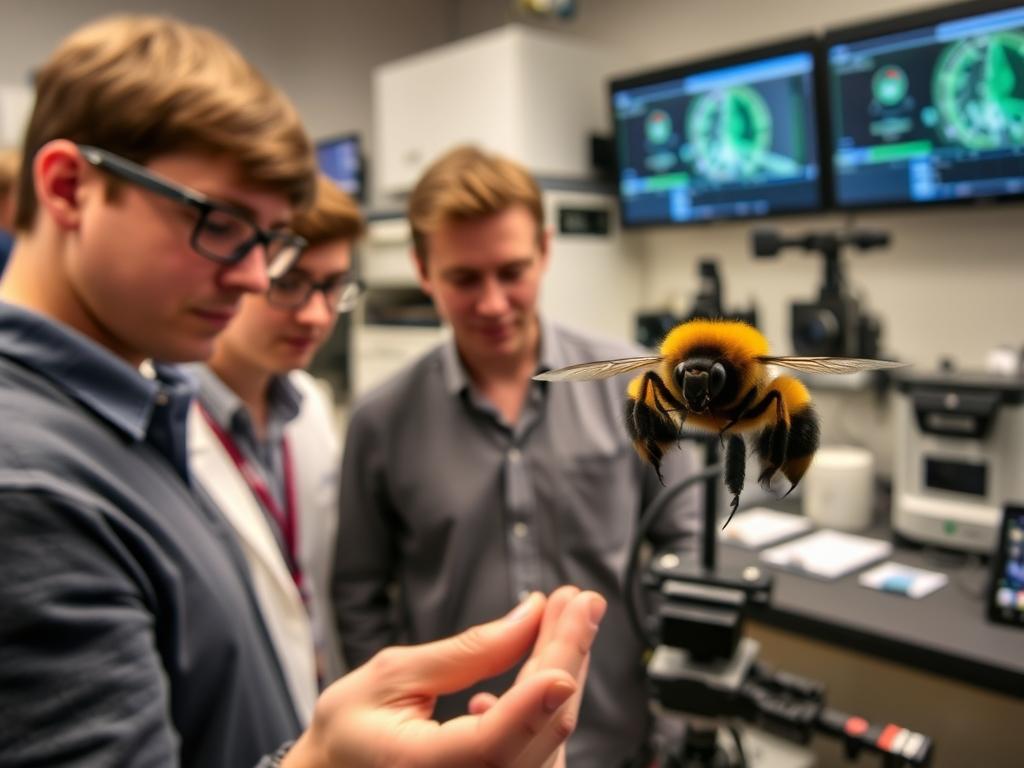
MIT Engineers Design Aerial Microrobot with Insect-Like Speed
MIT engineers have created an aerial microrobot that can fly as fast as a bumblebee, achieving remarkable speed and agility at a miniature scale. The tiny robot could potentially aid in search-and-rescue missions by navigating confined spaces inaccessible to larger drones.
The breakthrough involves a novel propulsion system and lightweight materials that enable the microrobot to achieve speeds of up to 1.5 meters per second while maintaining maneuverability. The technology draws inspiration from insect flight mechanics, translated into engineered systems.
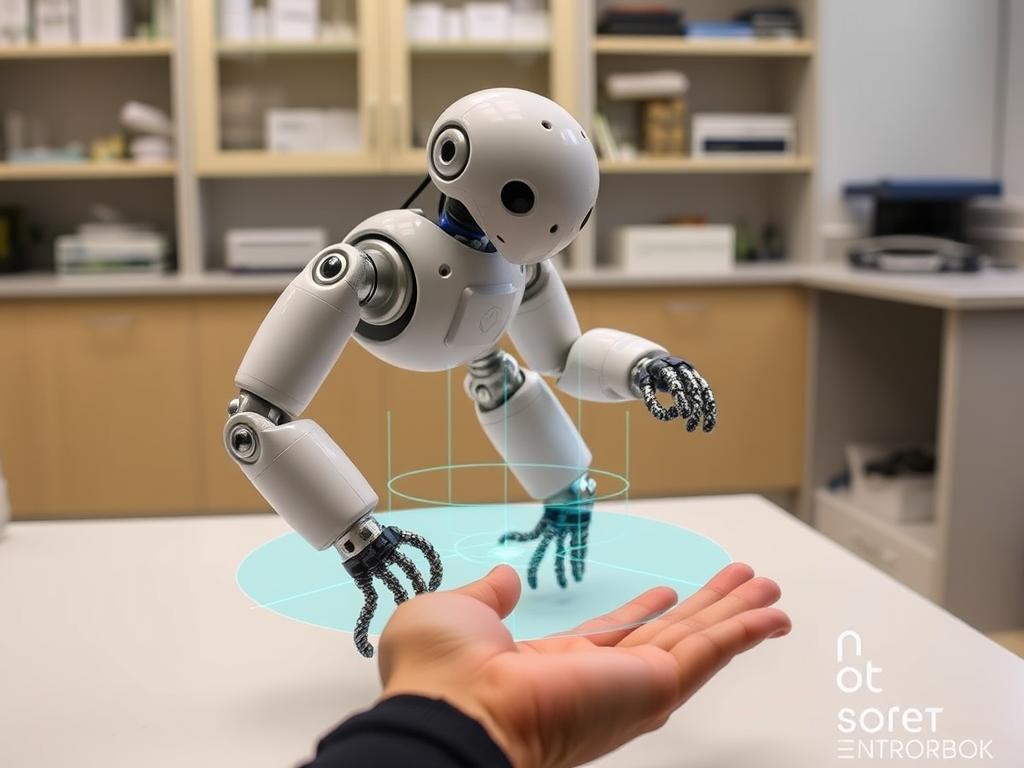
Control System Teaches Soft Robots the Art of Staying Safe
MIT CSAIL and LIDS researchers have developed a mathematically grounded system that allows soft robots to deform, adapt, and interact with people and objects while maintaining strict safety parameters. This innovation addresses a key challenge in soft robotics: ensuring safe operation despite the inherent unpredictability of flexible structures.
The system continuously monitors the robot’s shape and position, preventing potentially dangerous deformations while maximizing flexibility for tasks. This breakthrough could accelerate the adoption of soft robots in healthcare, elder care, and collaborative manufacturing environments.
Dive Deeper into AI Research
Access our database of AI research papers, expert analyses, and technical breakdowns to understand the science behind the headlines.
AI Policy and Regulatory Updates

New York City Council Creates Dedicated AI Oversight Office
The New York City Council has approved the formation of a specialized oversight body focused solely on evaluating and monitoring AI systems used by city agencies. This landmark decision establishes one of the first municipal-level AI governance structures in the United States.
The office will be responsible for auditing algorithms, setting deployment standards, and maintaining a public directory of reviewed systems to enhance transparency. City leaders emphasize that the move is intended to ensure responsible AI use across departments and protect residents from potential risks associated with automated decision-making.

USPTO Clarifies: AI-Assisted Inventions Require Human Inventors
The United States Patent and Trademark Office (USPTO) has issued new guidance clarifying that inventions developed with AI assistance are eligible for patent protection, but only if a human qualifies as the inventor under existing standards.
The agency states that generative AI systems should be treated as tools (like lab equipment or software), not as inventors in their own right. This guidance rescinds the previous policy that had applied joint-inventorship criteria, simplifying the standard back to a human-conception test.
Virginia Imposes New Limits on AI Chatbot Use by Minors
The state of Virginia is implementing new restrictions on how minors interact with AI chatbots, with legislation aimed at limiting or regulating chatbot access for children under a certain age. The rules are motivated by concerns over chatbots being deployed in sensitive contexts like therapy or emotional support.
Supporters argue the safeguards are necessary to protect minors from inappropriate or unsafe uses of conversational AI, particularly given instances where poorly moderated responses have led to harmful outcomes.

TikTok Launches Tools for AI Content Transparency
TikTok is introducing several new features intended to give users more control and clarity over AI-generated content on its platform. The updates include a new setting in “Manage Topics” that lets users adjust how much AI-generated content appears in their feed, enhanced labeling of AI content, and tests of invisible watermarking.
The platform is also launching a US$2 million global AI literacy fund to support efforts to educate users and nonprofits on recognizing and responsibly using AI-generated media.

U.S. Moves to Criminalize AI-Assisted Scams
A bipartisan bill introduced in the House, the AI Fraud Deterrence Act, would tighten penalties for criminals who use AI tools to commit fraud, impersonation, or other deceptive schemes. Under the proposed law, fraud involving AI-generated audio, video, or text could result in fines between US$1 million–$2 million and prison sentences of up to 20–30 years.
The legislation also specifically targets impersonation of government officials, carrying up to a $1 million fine and three years in prison for offenders.
AI Industry Trends and Market Movements
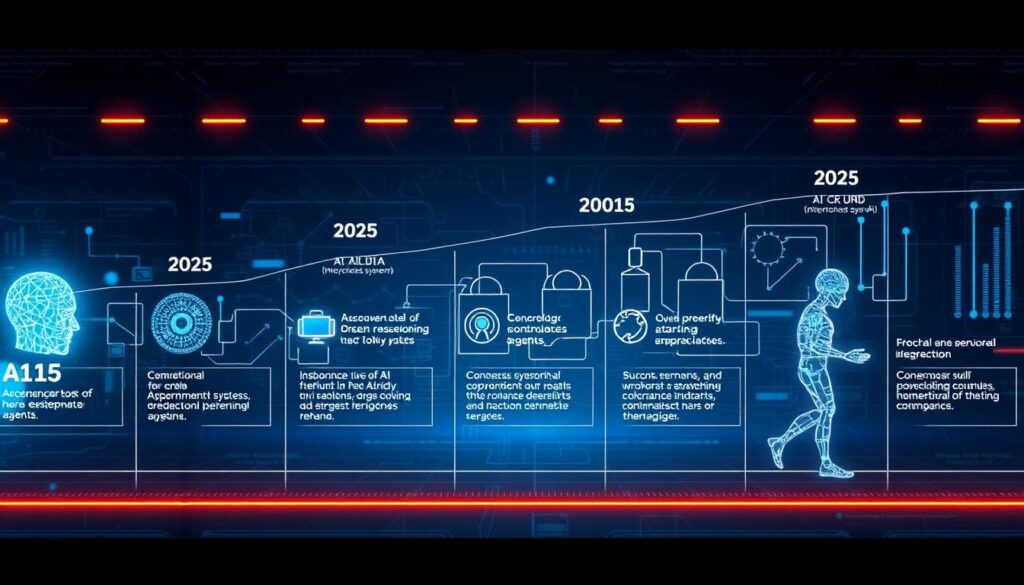
AI in 2026: Experimental AI Concludes as Autonomous Systems Rise
Industry analysts predict 2026 will mark a significant transition in the AI landscape, as organizations move beyond experimental implementations to deploy truly autonomous systems. This shift reflects growing confidence in AI reliability and a better understanding of appropriate use cases.
The trend is particularly evident in sectors like logistics, customer service, and financial operations, where AI systems are increasingly handling end-to-end processes with minimal human oversight. This evolution is driving new approaches to AI governance and risk management.
Study: Hybrid Human + AI Teams Outperform Fully Autonomous Agents
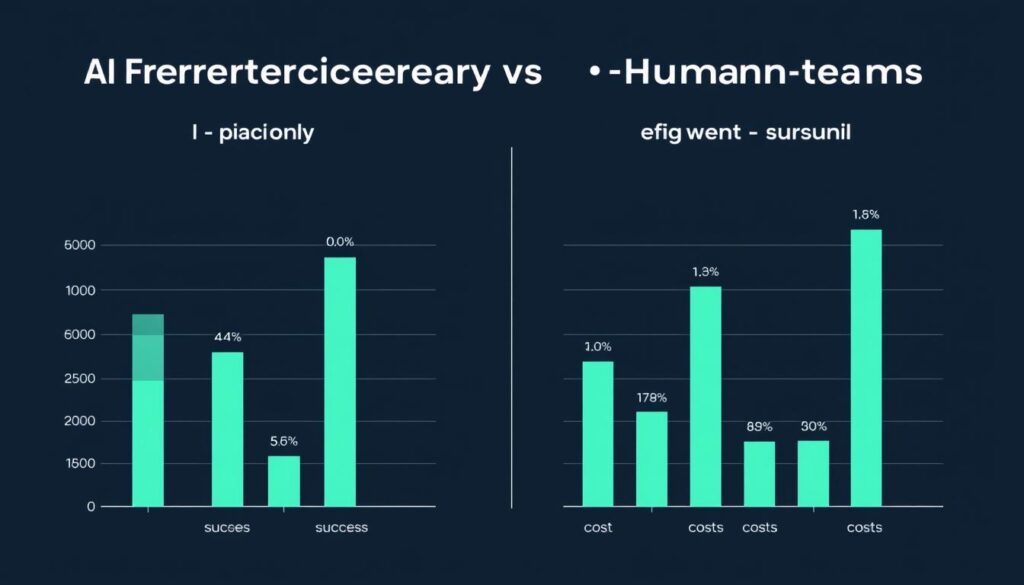
A recent study by Stanford University and Carnegie Mellon University compared fully autonomous AI-agent workflows to hybrid workflows where humans and AI collaborate. The results show that while AI agents alone are much faster and more cost-efficient, their output quality significantly lags behind human-only approaches.
Hybrid human-AI workflows, where humans handle judgment-heavy or ambiguous tasks and leave structured work to AI, deliver superior results, boosting overall performance by 68.7%. The researchers argue that in high-stakes domains such as law, medicine, or engineering, hybrid workflows under human supervision should remain the standard.

Perplexity: AI Agents Taking Over Complex Enterprise Tasks
AI search company Perplexity has released a report documenting the accelerating adoption of AI agents for complex enterprise tasks. The analysis reveals that 42% of Fortune 1000 companies now use autonomous or semi-autonomous AI systems for tasks previously requiring specialized human expertise.
The most common applications include document analysis, regulatory compliance monitoring, and customer interaction management. The report highlights a shift from simple automation to more sophisticated reasoning and decision-support capabilities.

Inside the Playbook of Companies Winning with AI
A new analysis of organizations successfully implementing AI reveals common patterns among top performers. These companies typically focus on specific business problems rather than technology-first approaches, invest heavily in data infrastructure before AI deployment, and emphasize cross-functional teams that combine domain expertise with technical skills.
The research also highlights the importance of iterative development processes, with successful organizations starting small, measuring results rigorously, and scaling gradually. This measured approach contrasts with less successful “big bang” implementation strategies.
Microsoft’s Copilot Usage Analysis Reveals Surprising Patterns
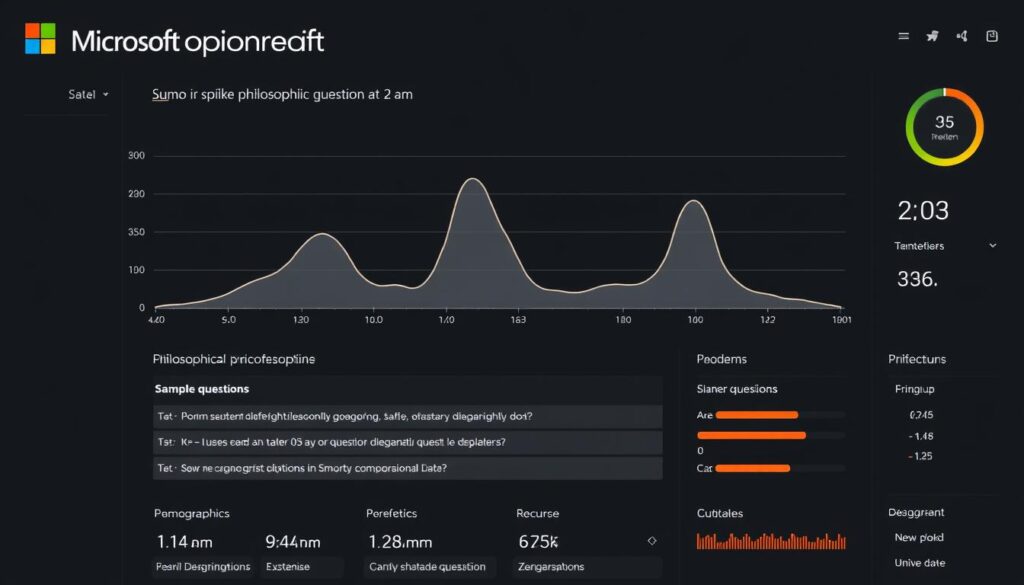
Microsoft has released fascinating insights from its analysis of Copilot usage patterns, including an unexpected trend of users asking philosophical questions between 1-3am. This “night philosophy” phenomenon reveals how AI assistants are fulfilling roles beyond productivity enhancement.
The analysis also shows distinct usage patterns across different demographics and professions, with creative professionals using Copilot primarily for ideation and content generation, while knowledge workers focus on information synthesis and document creation.
Get Industry-Specific AI Insights
Discover how AI is transforming your specific industry with our specialized reports covering healthcare, finance, manufacturing, retail, and more.
Notable AI Applications and Implementations
Philips Unveils AI-Powered Cardiac MRI Suite
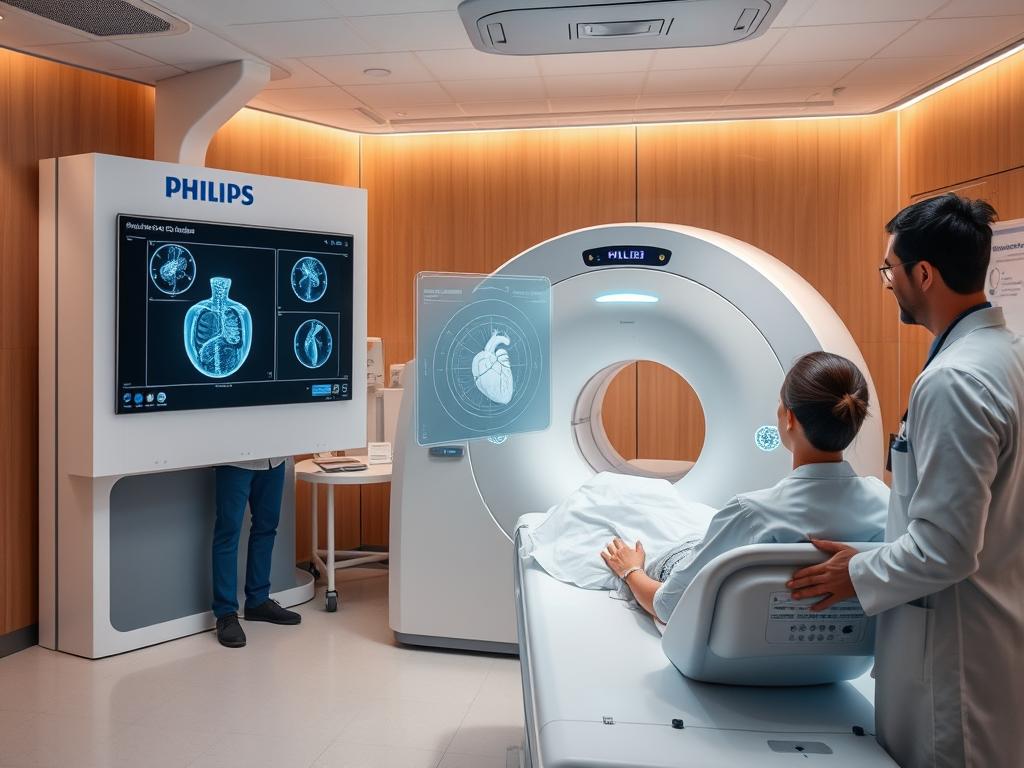
Philips has announced a new generation of AI-powered cardiac magnetic resonance (CMR) innovations designed to make heart imaging faster, simpler, and more accessible. The suite includes tools such as SmartSpeed Precise, which delivers up to 3× faster imaging and up to 80% sharper images, along with “SmartHeart” automation that sets up full cardiac scans in under 30 seconds.
Other features include single-beat acquisition for patients with arrhythmias, motion-correction for cardiac and respiratory movement, and non-invasive perfusion quantification. These innovations aim to broaden access to high-precision cardiac diagnostics while improving patient experience.

Alibaba Unveils Quark AI Glasses Integrated With Qwen
Alibaba has launched a new series of Quark AI glasses that blend everyday eyewear design with advanced AI capabilities powered by its Qwen model. The glasses support real-time translation, object and price recognition, and seamless interaction with Alibaba’s ecosystem, including Alipay and Taobao.
The company emphasizes that the goal is to bring intelligent, hands-free assistance into daily life through lightweight, consumer-friendly hardware. Early adopters highlight the natural language understanding and contextual awareness as key differentiators from previous smart glasses.
MIT Researchers “Speak Objects into Existence”
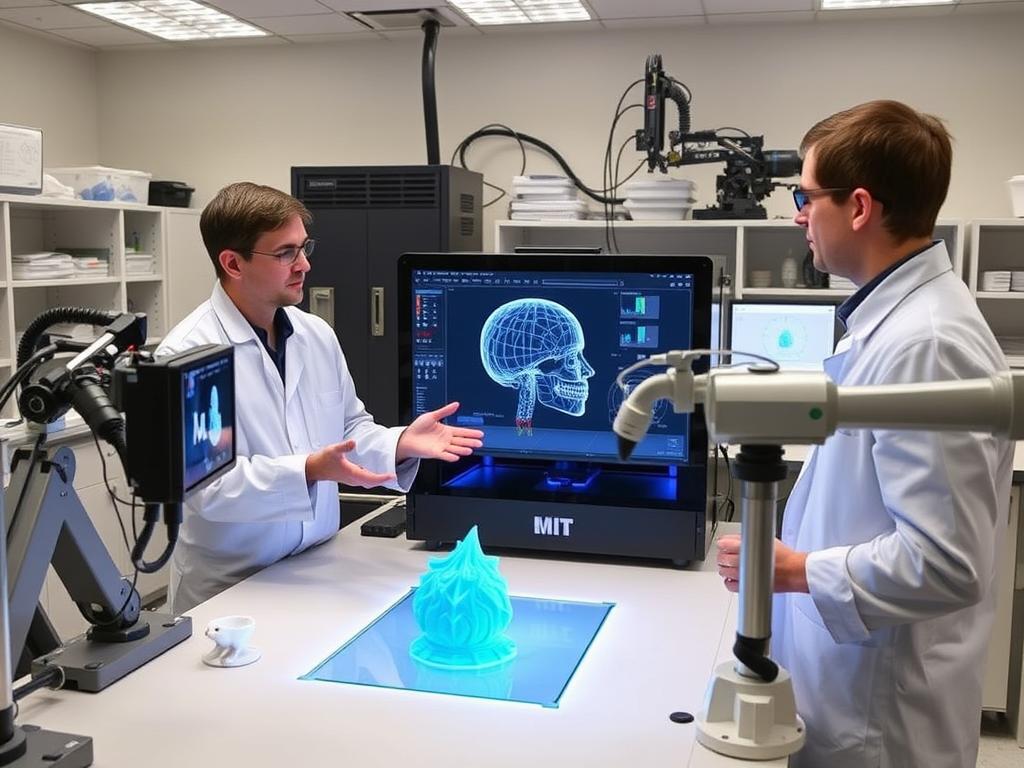
MIT researchers have developed a groundbreaking speech-to-reality system that combines 3D generative AI and robotic assembly to create physical objects on demand. Users can simply describe the object they want, and the system generates a 3D model which is then fabricated through automated assembly processes.
The technology represents a significant step toward more intuitive human-machine interaction, potentially revolutionizing manufacturing, prototyping, and accessibility. Current capabilities include creating simple structures and functional objects with moving parts.

Robots That Spare Warehouse Workers the Heavy Lifting
Founded by MIT alumni, the Pickle Robot Company has developed machines that can autonomously load and unload trucks inside warehouses and logistics centers. These robots use advanced computer vision and machine learning to identify, grasp, and move packages of varying sizes and shapes.
The technology addresses a significant pain point in the logistics industry, where loading and unloading tasks are physically demanding and often lead to injuries. Early deployments show productivity improvements of up to 30% and reduced workplace injuries.

AI Model popEVE Could Speed Rare-Disease Diagnosis
Researchers at Harvard Medical School have developed an AI model called popEVE that predicts how likely each genetic variant in a patient’s genome is to cause disease. The system assigns a score to variants indicating their probability of being benign or disease-causing, and can distinguish variants likely to trigger severe disease from those with milder effects.
In testing, popEVE identified more than 100 previously unrecognized variants responsible for undiagnosed rare genetic diseases, offering promise for faster, more accurate diagnosis and potential drug-target discovery.
Upcoming AI Events and Conferences

Gartner Data & Analytics Summit 2026
Date: February 4-6, 2026
Location: Orlando, Florida
The Gartner Data & Analytics Summit has unveiled an expanded AI agenda for 2026, featuring specialized tracks on AI governance, generative AI implementation, and business value calculation for AI use cases. The event will bring together industry leaders, analysts, and practitioners to explore the evolving data and AI landscape.

AI & Big Data Expo Global 2026
Date: February 4-5, 2026
Location: Olympia, London
The AI & Big Data Expo Global returns to London, bringing together key industries for two days of top-level content and discussion across 5 co-located events covering AI, big data, IoT, cyber security, cloud, blockchain, and edge computing. The event features industry speakers, exhibition areas, and networking opportunities.

AI & Big Data Expo North America 2026
Date: May 18-19, 2026
Location: San Jose McEnery Convention Center, California
The North American edition of the AI & Big Data Expo will showcase cutting-edge technologies and strategies from leading companies. The event focuses on practical AI implementation, with case studies, live demonstrations, and hands-on workshops across various industries including healthcare, finance, retail, and manufacturing.

MIT Program to Train Military Leaders for the AI Age
Date: Program launches January 2026
Location: Massachusetts Institute of Technology, Cambridge, MA
MIT has announced a new certificate program designed to equip naval officers with the skills needed to solve the military’s hardest problems in the age of artificial intelligence. The program combines technical AI education with strategic thinking and ethical considerations specific to defense applications.
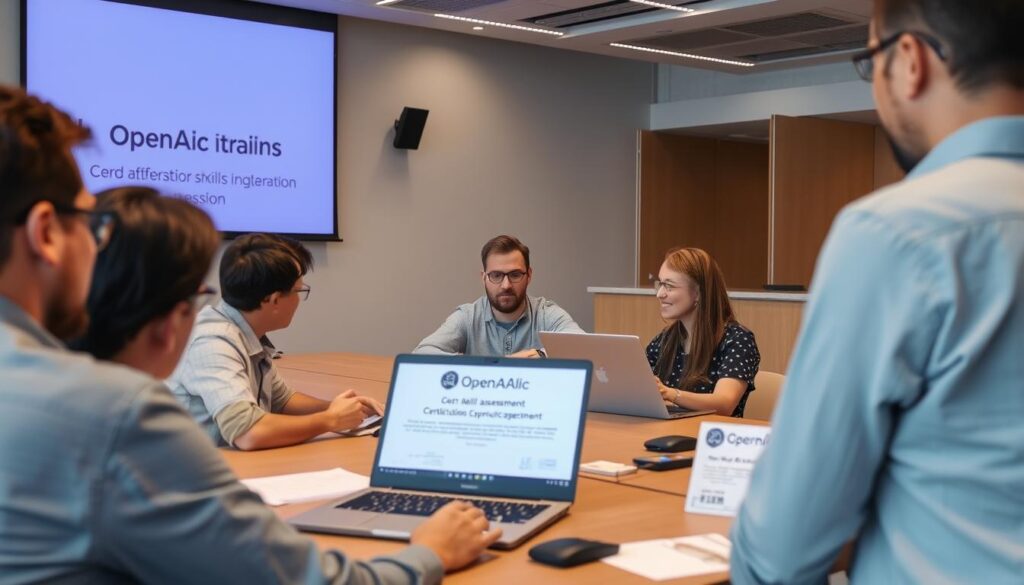
OpenAI Launches Certification Standards
Date: Certification program begins March 2026
Location: Global (online with testing centers in major cities)
OpenAI is addressing the growing AI skills gap with new certification standards designed to validate expertise in working with advanced AI systems. The program includes three certification levels: Associate, Professional, and Expert, each requiring demonstrated proficiency in specific AI capabilities.
Never Miss Critical AI Developments
The AI landscape evolves daily. Stay informed with our curated weekly digest of the most important news, breakthroughs, and analysis delivered directly to your inbox.
The Evolving AI Landscape
This week’s developments highlight the accelerating pace of AI innovation across multiple domains. From groundbreaking research at academic institutions to practical implementations in enterprise environments, artificial intelligence continues to transform how we work, communicate, and solve problems.
Several key trends emerge from this week’s news: the growing emphasis on AI infrastructure investments, the shift toward more autonomous AI systems, the importance of human-AI collaboration, and the increasing focus on responsible AI governance. These trends suggest a maturing AI ecosystem that balances technological advancement with practical considerations and ethical guardrails.
As we move into 2026, organizations that strategically implement AI solutions aligned with specific business outcomes are likely to see the greatest returns on their investments. Meanwhile, ongoing research breakthroughs continue to expand the boundaries of what’s possible, promising even more transformative applications in the years ahead.

Frequently Asked Questions About AI News This Week
What were the most significant AI announcements this week?
The most significant announcements include AWS’s $50 billion commitment to AI infrastructure for government agencies, Philips’ new AI-powered cardiac MRI suite, and OpenAI’s certification standards addressing the AI skills gap. Additionally, several research breakthroughs from MIT and Harvard Medical School represent important advances in AI capabilities.
How is AI being regulated according to this week’s news?
This week saw several regulatory developments, including New York City Council creating a dedicated AI oversight office to monitor AI systems used by city agencies, Virginia imposing new limits on AI chatbot use by minors, and the U.S. House introducing legislation to criminalize AI-assisted scams. These moves reflect growing attention to AI governance at various levels of government.
What do the latest studies say about AI effectiveness in business?
Recent studies highlight that hybrid human-AI teams outperform fully autonomous AI agents by approximately 69%. Additionally, research indicates that while 78% of Fortune 500 CEOs continue to increase AI investments, only 32% report significant ROI so far. The most successful implementations focus on specific business problems rather than technology-first approaches.
What major AI events are coming up in early 2026?
Key upcoming events include the Gartner Data & Analytics Summit (February 4-6 in Orlando), the AI & Big Data Expo Global (February 4-5 in London), and the AI & Big Data Expo North America (May 18-19 in San Jose). Additionally, new educational programs are launching, including MIT’s program for military leaders and OpenAI’s certification standards beginning in March 2026.