
The landscape of artificial intelligence is evolving rapidly, moving beyond reactive systems to proactive, goal-oriented frameworks. At the forefront of this evolution are Agentic AI and Multi-Agent Systems (MAS), technologies that promise to revolutionize how autonomous applications function across industries. Unlike traditional AI that responds to specific inputs, these advanced systems can independently plan, collaborate, and adapt to achieve complex objectives with minimal human intervention.
Core Concepts of Agentic AI and Multi-Agent Systems
Understanding the fundamental principles behind Agentic AI and Multi-Agent Systems is essential for grasping their transformative potential in autonomous applications. These technologies represent a significant paradigm shift from traditional AI approaches, emphasizing proactive behavior and collaborative problem-solving.
What Makes AI “Agentic”?
Agentic AI refers to artificial intelligence systems that exhibit agency—the capacity to act independently, make decisions, and take initiative toward achieving goals. Unlike reactive AI systems that simply respond to inputs, agentic systems proactively engage with their environment, plan actions, and adapt their strategies based on outcomes and changing conditions.
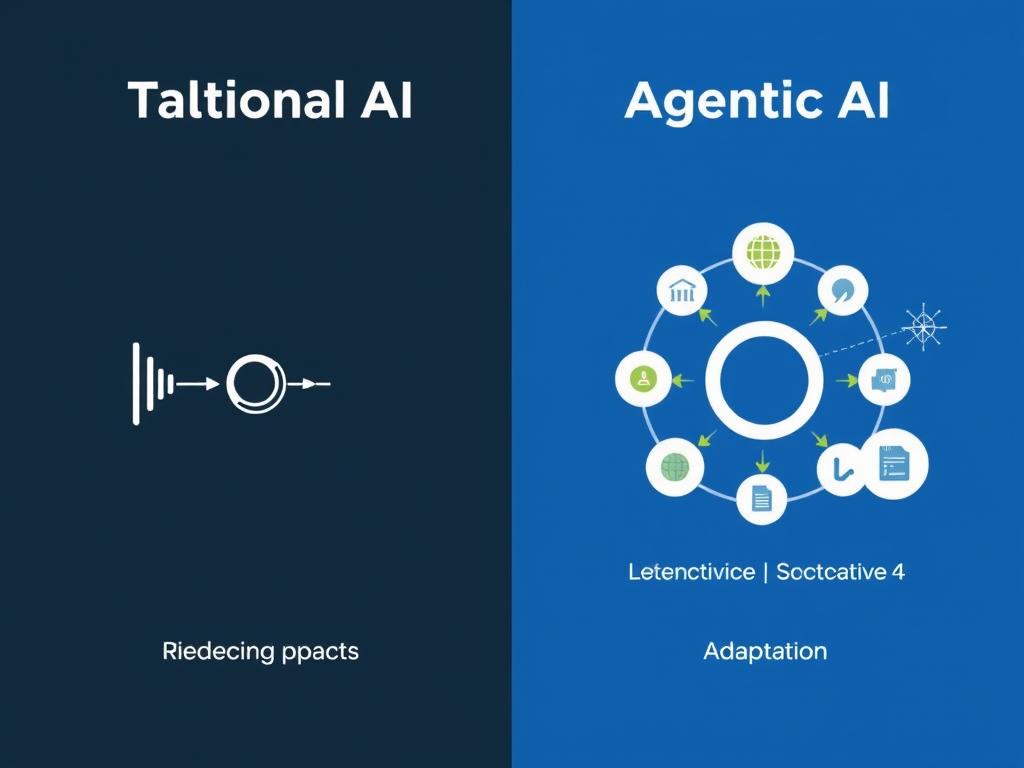
| Characteristic | Traditional AI | Agentic AI |
| Decision-making | Predefined rules or patterns | Autonomous with goal orientation |
| Action initiation | Reactive to inputs | Proactive based on goals |
| Adaptability | Limited to training data | Dynamic learning from interactions |
| Planning capability | Minimal or none | Multi-step planning with alternatives |
| Tool utilization | Fixed functionality | Strategic use of available tools |
Multi-Agent Systems Architecture
Multi-Agent Systems (MAS) extend the concept of agentic AI by creating environments where multiple intelligent agents collaborate, compete, or coexist to solve problems that would be difficult for a single agent to handle. These systems mimic natural collaborative structures found in human organizations and biological systems.
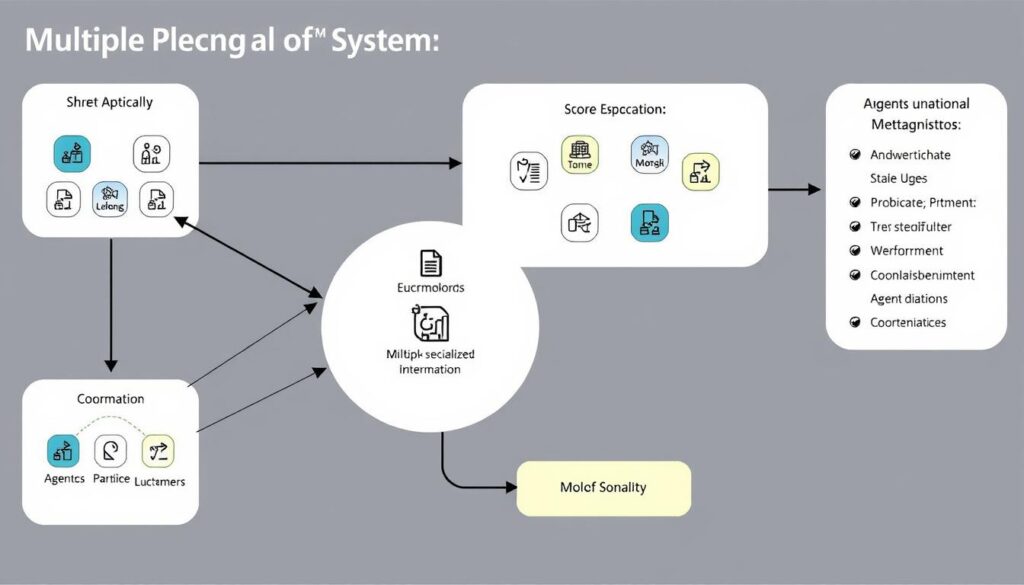
Key components of Multi-Agent Systems include:
- Autonomous Agents: Individual AI entities with specific capabilities, knowledge, and goals
- Communication Protocols: Standardized methods for agents to exchange information and coordinate actions
- Coordination Mechanisms: Frameworks that enable agents to align their activities toward common objectives
- Shared Environment: The context in which agents operate and interact, including resources and constraints
- Organizational Structures: Hierarchies or networks that define relationships between agents
“Multi-agent systems represent a fundamental shift in AI architecture—from monolithic systems to distributed intelligence where specialized agents collaborate to achieve what none could accomplish alone.”
Ready to Dive Deeper into Agentic AI?
Get our comprehensive guide to understanding and implementing agentic AI frameworks in your organization.
Key Applications of Agentic AI and Multi-Agent Systems
The practical applications of Agentic AI and Multi-Agent Systems span numerous industries, transforming how complex tasks are approached and executed. These technologies enable new levels of automation, coordination, and intelligent decision-making in scenarios that were previously too complex for traditional AI approaches.
Autonomous Vehicles and Transportation
In the transportation sector, multi-agent systems enable unprecedented levels of coordination and safety for autonomous vehicles. Rather than operating in isolation, connected vehicles can function as collaborative agents within a larger system.
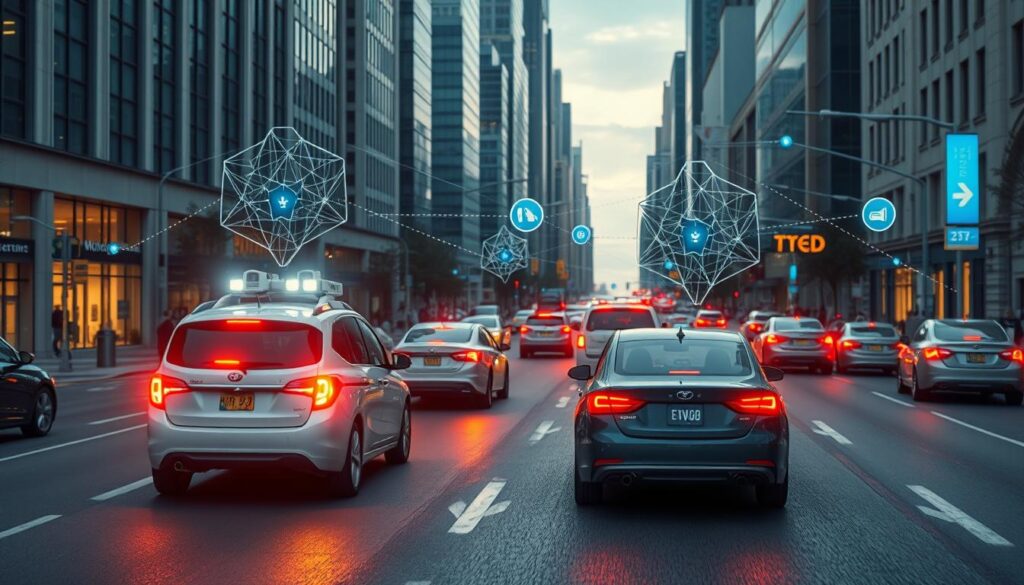
- Real-time Traffic Negotiation: Vehicles as agents can negotiate lane changes, intersections, and merging scenarios
- Fleet Optimization: Coordinated routing and resource allocation across multiple vehicles
- Adaptive Response: Collective adaptation to traffic conditions, accidents, or road closures
- Infrastructure Integration: Communication with smart traffic systems, charging stations, and other infrastructure
Smart Cities and Urban Management
Multi-agent systems provide the architectural foundation for smart city initiatives, enabling disparate systems to work together toward optimizing urban resources and services.

Energy Grid Optimization
Multi-agent systems enable dynamic load balancing, demand response, and integration of renewable energy sources. Each node in the grid—from power plants to individual smart meters—can function as an agent, collectively optimizing energy distribution while maintaining stability.
Traffic Management
Intelligent traffic systems use multi-agent approaches to coordinate traffic lights, monitor congestion, and adapt to changing conditions. These systems can reduce travel times, minimize emissions, and improve overall urban mobility through coordinated decision-making.
Healthcare and Medical Systems
In healthcare, multi-agent systems enable more personalized, coordinated care by allowing different specialists, diagnostic systems, and treatment protocols to work together as a cohesive unit.

- Diagnostic Agent Networks: Multiple specialized diagnostic systems collaborating to analyze patient data
- Treatment Coordination: Agents representing different treatment protocols negotiating optimal care plans
- Personalized Medicine: Adaptive treatment systems that adjust based on patient response
- Resource Allocation: Optimization of hospital resources, staff scheduling, and equipment utilization
Industrial Automation and Manufacturing
Modern manufacturing environments increasingly rely on multi-agent systems to coordinate complex production processes, supply chains, and resource allocation.
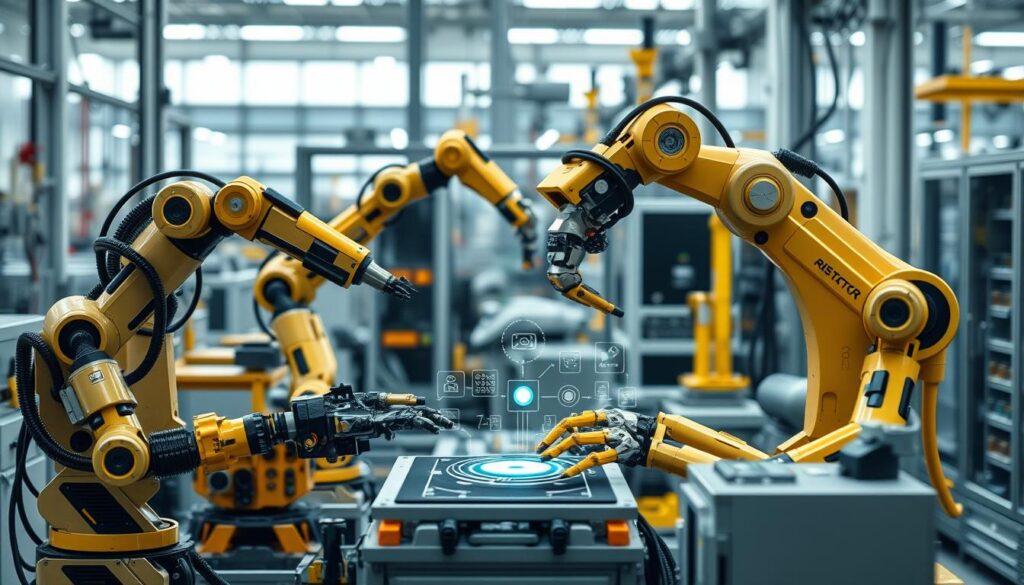
- Supply Chain Coordination: Agents representing different stages of production and logistics working together
- Adaptive Manufacturing: Production systems that reconfigure based on demand, resources, and priorities
- Predictive Maintenance: Coordinated monitoring and scheduling of equipment maintenance
- Quality Control: Distributed inspection and testing systems that collaborate to ensure product quality
See Multi-Agent Systems in Action
Download our detailed case study on how leading organizations are implementing multi-agent systems to transform their operations.
Future Trends in Agentic AI and Multi-Agent Systems
The field of Agentic AI and Multi-Agent Systems is rapidly evolving, with several emerging trends poised to shape the future of autonomous applications. These developments promise to enhance the capabilities, adaptability, and practical applications of agent-based technologies.
Self-Evolving Multi-Agent Systems
The next generation of multi-agent systems will feature enhanced capabilities for self-improvement and adaptation, moving beyond static architectures to dynamic, evolving systems.
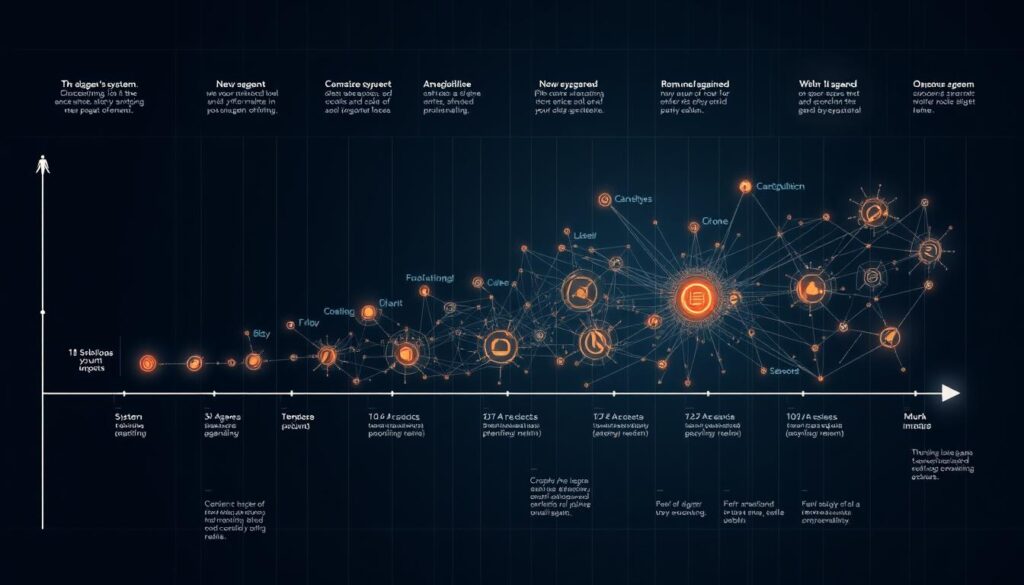
- Adaptive Learning Across Agents: Systems where agents share learning experiences and adapt collectively
- Emergent Specialization: Spontaneous development of specialized roles based on system needs
- Dynamic Reorganization: Ability to reconfigure agent relationships and hierarchies based on changing requirements
- Meta-Learning Capabilities: Agents that improve their learning processes through experience
Ethical Considerations and Governance
As agentic AI systems become more autonomous and influential, ethical frameworks and governance mechanisms are evolving to ensure responsible development and deployment.
Bias Mitigation Frameworks
Advanced techniques for identifying and reducing biases in multi-agent systems are being developed, focusing on both individual agent behavior and emergent system properties. These frameworks incorporate continuous monitoring and adaptive correction mechanisms.
Accountability Structures
New models for establishing responsibility and accountability in autonomous systems are emerging, including distributed ledger technologies for tracking agent decisions, explainable AI techniques, and formal verification methods for multi-agent behaviors.
Integration with Edge Computing and IoT
The convergence of multi-agent systems with edge computing and Internet of Things (IoT) technologies is creating new possibilities for distributed intelligence in connected environments.
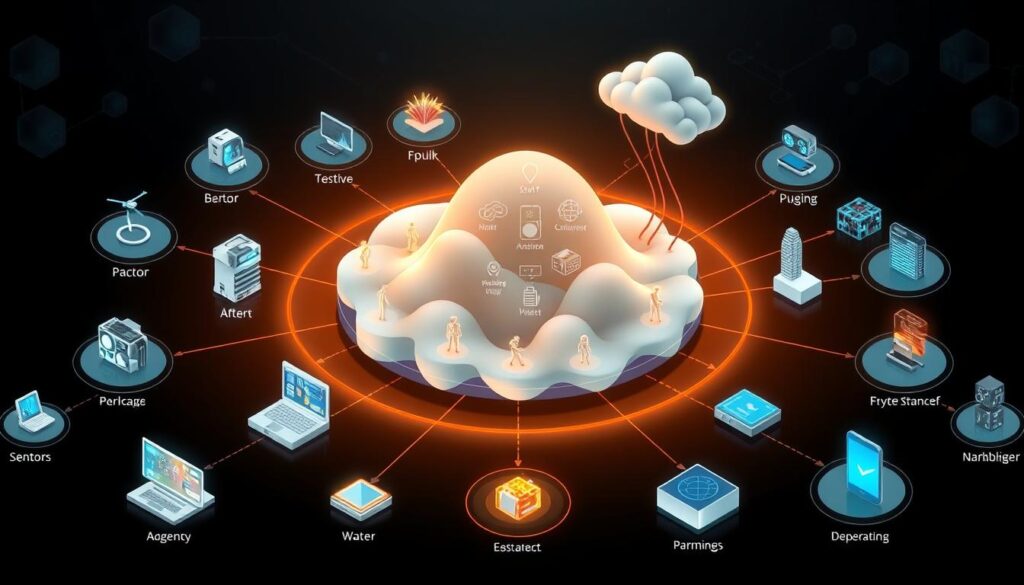
- Edge-Based Agents: Lightweight agents operating directly on IoT devices and edge servers
- Hierarchical Processing: Multi-level agent architectures spanning from edge to cloud
- Resilient Distributed Systems: Fault-tolerant networks of agents that maintain functionality despite connectivity issues
- Resource-Aware Coordination: Intelligent allocation of processing tasks based on available computational resources
“The future of AI isn’t just about smarter individual systems, but about creating ecosystems of specialized agents that can collaborate, adapt, and evolve together—much like natural intelligence has done throughout evolution.”
Challenges and Solutions in Implementing Multi-Agent Systems
While Agentic AI and Multi-Agent Systems offer tremendous potential, their implementation comes with significant challenges. Understanding these obstacles and their potential solutions is crucial for organizations looking to successfully deploy these technologies.
Scalability Issues in Large Multi-Agent Systems
As the number of agents in a system increases, computational requirements, coordination complexity, and resource management become increasingly challenging.
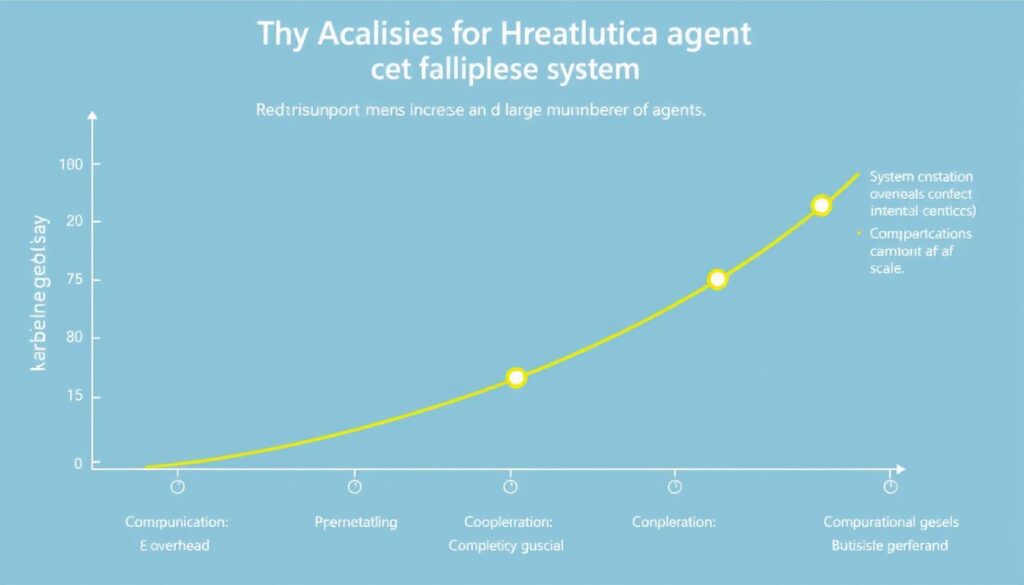
Solutions to Scalability Challenges
- Hierarchical agent organizations that reduce direct interactions
- Dynamic clustering of agents based on tasks and proximity
- Distributed computing architectures optimized for agent-based systems
- Efficient communication protocols that minimize message overhead
- Localized decision-making to reduce global coordination requirements
Persistent Scalability Issues
- Exponential growth in communication complexity
- Resource contention in shared environments
- Coordination overhead as system size increases
- Difficulty in maintaining global optimization
- Debugging and monitoring challenges in large-scale systems
Inter-Agent Communication Bottlenecks
Effective communication between agents is fundamental to multi-agent systems, yet it often becomes a performance bottleneck and source of system failures.
Communication Challenges
Multi-agent systems face challenges including bandwidth limitations, message latency, protocol incompatibilities, and the need to balance information sharing with system performance. As systems scale, these issues become more pronounced and can significantly impact overall effectiveness.
Emerging Solutions
Advanced approaches include context-aware communication protocols that adapt based on urgency and relevance, compression techniques for agent messages, asynchronous communication models, and semantic messaging frameworks that enable more efficient information exchange between heterogeneous agents.
Security Risks in Decentralized Systems
The distributed nature of multi-agent systems creates unique security challenges that differ from traditional centralized AI architectures.
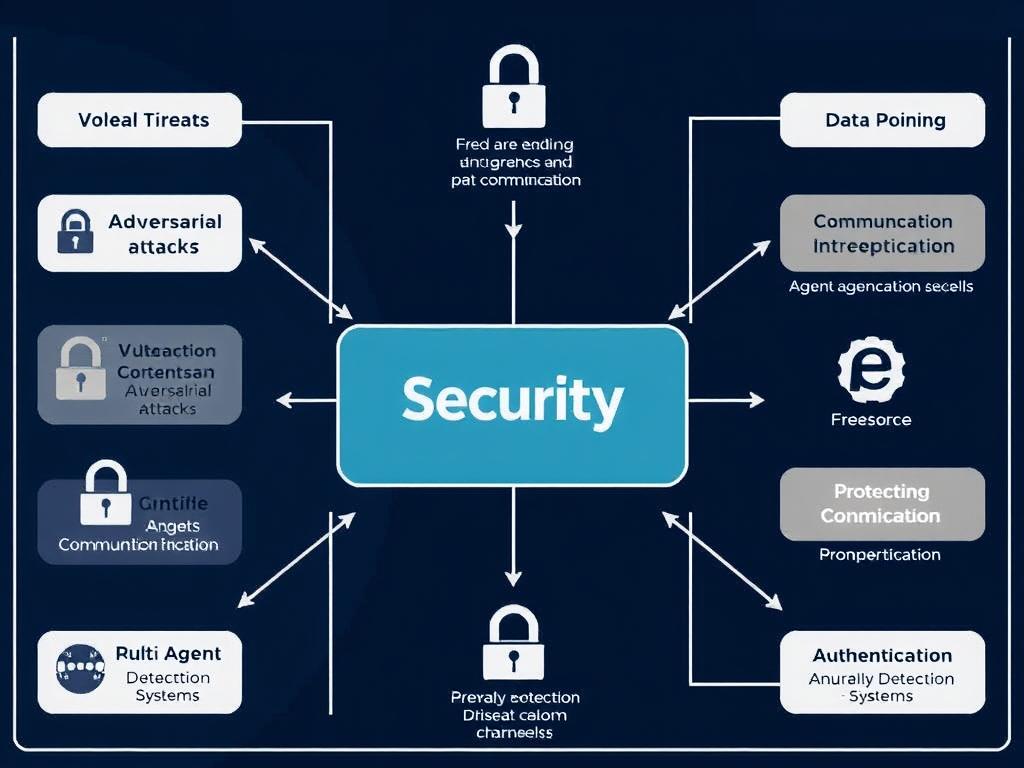
- Agent Compromise: Individual agents can be targeted, potentially affecting the entire system
- Communication Vulnerabilities: Inter-agent messages may be intercepted or manipulated
- Trust Management: Establishing and maintaining trust between agents is complex
- Emergent Vulnerabilities: Novel security issues may emerge from agent interactions
- Authentication Challenges: Verifying the identity and integrity of agents in distributed environments
Security Best Practices for Multi-Agent Systems
Implementing robust security in multi-agent systems requires a multi-layered approach that addresses both individual agent security and system-level protections. Key strategies include cryptographic communication protocols, continuous behavioral monitoring, formal verification of critical agents, distributed consensus mechanisms for detecting anomalies, and graceful degradation capabilities that maintain essential functions even when parts of the system are compromised.
Overcome Implementation Challenges
Access our technical guide on addressing the most common obstacles in deploying multi-agent systems, with practical solutions and implementation strategies.
Real-World Case Studies of Multi-Agent Systems
Examining successful implementations of Agentic AI and Multi-Agent Systems provides valuable insights into their practical applications and benefits. These case studies demonstrate how organizations are leveraging these technologies to solve complex problems and create new capabilities.
NASA: Autonomous Spacecraft Operations
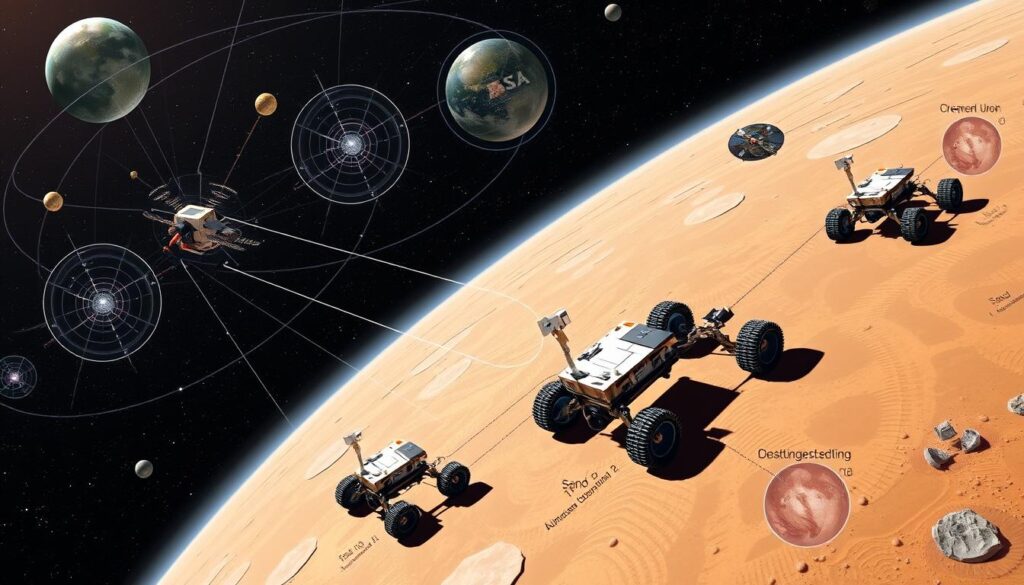
NASA has pioneered the use of multi-agent systems for managing autonomous spacecraft, particularly in scenarios where direct human control is impractical due to communication delays or mission constraints.
The Remote Agent Experiment
One of the most notable implementations was the Remote Agent Experiment on the Deep Space 1 mission, which demonstrated an autonomous agent-based system capable of planning and executing spacecraft operations, diagnosing and recovering from problems, and managing onboard resources without direct human intervention.
Key Components:
- Mission Manager: High-level planning and goal management
- Planner/Scheduler: Detailed activity planning and resource allocation
- Executive: Plan execution and monitoring
- Mode Identification and Recovery: Fault detection and resolution
Outcomes:
The system successfully demonstrated autonomous operation for extended periods, handling unexpected situations and optimizing mission objectives. This breakthrough paved the way for more advanced multi-agent architectures in subsequent missions, including Mars rovers and orbital observatories.
Retail Logistics: Multi-Agent Optimization
Major retail organizations have implemented multi-agent systems to transform their logistics operations, creating more responsive and efficient supply chains.
Global Retailer Supply Chain Transformation
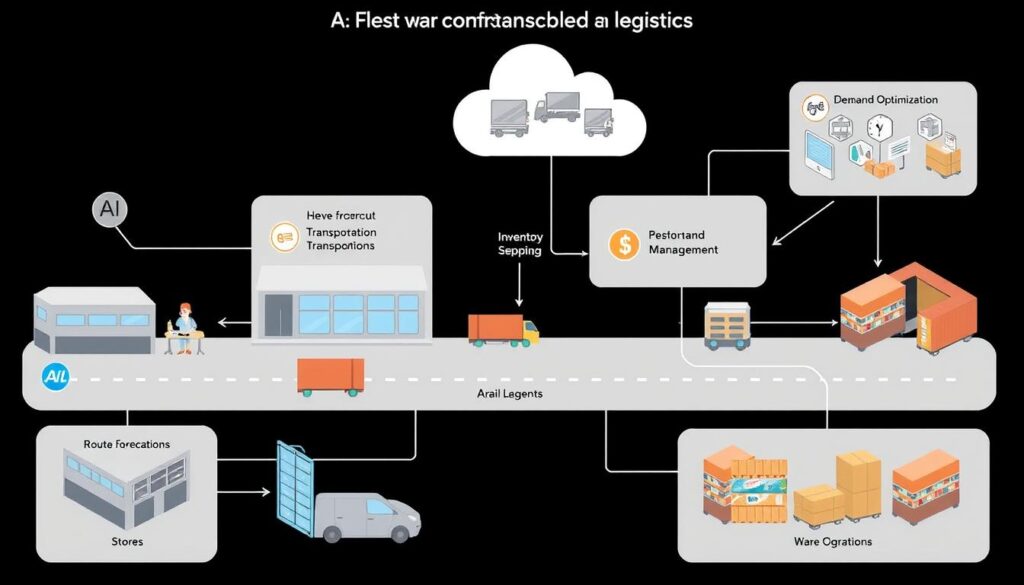
A leading global retailer implemented a multi-agent system to coordinate its complex supply chain operations across thousands of stores and distribution centers. The system replaced centralized planning with a network of specialized agents responsible for different aspects of the logistics process.
Agent Roles:
- Inventory Agents: Monitor stock levels and generate replenishment orders
- Transportation Agents: Optimize routing and delivery scheduling
- Warehouse Agents: Manage picking, packing, and resource allocation
- Demand Forecasting Agents: Predict regional and store-level demand patterns
- Coordination Agents: Facilitate negotiation between other agents to optimize global performance
Results:
- 17% reduction in overall logistics costs
- 22% decrease in out-of-stock incidents
- 14% improvement in delivery time reliability
- Significantly enhanced adaptability to supply chain disruptions
“What makes multi-agent systems so powerful in practice is their ability to decompose seemingly intractable problems into manageable pieces, while maintaining coordination toward global objectives. This mirrors how human organizations solve complex challenges.”
Conclusion: The Future of Autonomous Applications
Agentic AI and Multi-Agent Systems represent a fundamental paradigm shift in how we approach artificial intelligence and autonomous applications. By moving from monolithic, reactive systems to distributed, proactive agent networks, these technologies enable new levels of flexibility, resilience, and capability in addressing complex real-world challenges.
The key takeaways from our exploration include:
- Paradigm Shift: Agentic AI transforms systems from passive tools to proactive partners capable of independent goal pursuit
- Collaborative Intelligence: Multi-agent architectures enable specialized agents to work together, achieving outcomes beyond the capabilities of any single agent
- Practical Applications: From autonomous vehicles to healthcare, smart cities to industrial automation, these technologies are already delivering tangible benefits
- Evolving Capabilities: Ongoing advances in self-evolution, edge integration, and security are expanding the potential applications and effectiveness of agent-based systems
- Implementation Challenges: While significant obstacles exist, practical solutions and best practices are emerging to address scalability, communication, and security concerns
As these technologies continue to mature, organizations across industries have an opportunity to reimagine their processes, products, and services through the lens of collaborative, autonomous agents. Those who successfully navigate the implementation challenges will gain significant advantages in adaptability, efficiency, and innovation capability.
The future of autonomous applications lies not in isolated AI systems, but in interconnected ecosystems of specialized agents that can collaborate, learn, and adapt together—mirroring the collective intelligence that has made human organizations so successful throughout history.
Begin Your Multi-Agent Systems Journey
Ready to explore how Agentic AI and Multi-Agent Systems can transform your organization? Access our comprehensive resource library to start building your implementation roadmap.