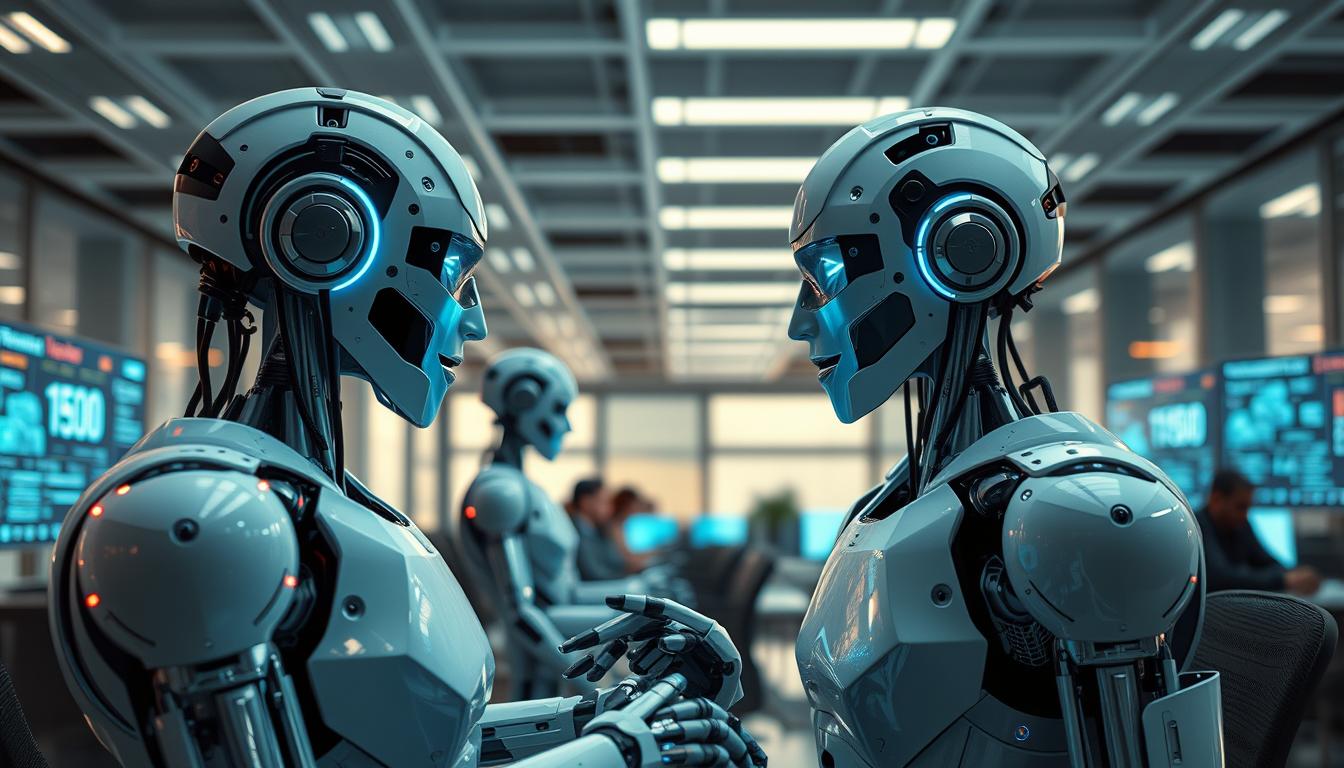
The AI revolution isn’t coming—it’s already here. While previous technological shifts unfolded over decades, artificial intelligence is transforming industries at unprecedented speed. By 2026, millions of workers will find their roles fundamentally changed or eliminated entirely. Understanding which jobs face the highest risk isn’t about fear—it’s about preparation.
As Amazon’s internal documents reveal plans to automate 600,000 jobs by 2033, and McKinsey predicts AI could automate up to 30% of work hours in the US by 2030, the writing is on the wall. This article examines the five jobs most vulnerable to AI replacement by 2026, why they’re at risk, and most importantly—how you can adapt to thrive in this new reality.
1. Data Entry Clerks
Current Responsibilities
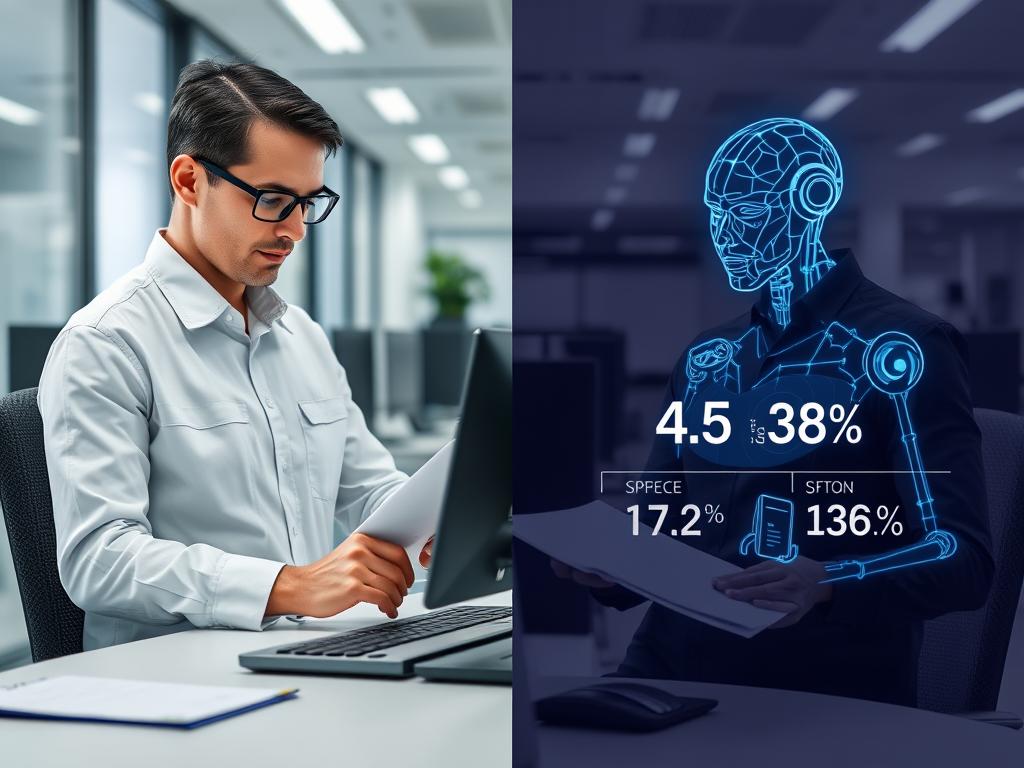
Data entry clerks manually input information from physical documents into digital systems, verify data accuracy, and organize information according to established protocols. This role typically requires attention to detail and typing proficiency but minimal specialized knowledge.
Why AI Will Replace This Role
Data entry represents the perfect storm of automation vulnerability: repetitive, rule-based tasks with clear inputs and outputs. Modern AI excels at pattern recognition and can process information with greater speed and accuracy than humans, operating 24/7 without fatigue.
“By 2026, AI document processing systems will handle 85% of data previously managed by human clerks, with error rates 200% lower than manual processing.” — McKinsey Digital Transformation Report
Technologies Leading the Change
- Optical Character Recognition (OCR) combined with machine learning for document scanning
- Natural Language Processing (NLP) for understanding document context
- Automated data validation systems that self-correct errors
- Cloud-based document processing platforms that integrate with existing systems
Adaptation Strategy
Current data entry professionals should focus on developing skills in data analysis, database management, and process optimization. Understanding how to work with AI tools rather than compete against them will be crucial.
Enhance your career prospects with our free Data Analysis Fundamentals course, designed specifically for data entry professionals looking to upskill.
2. Customer Service Representatives
Current Responsibilities
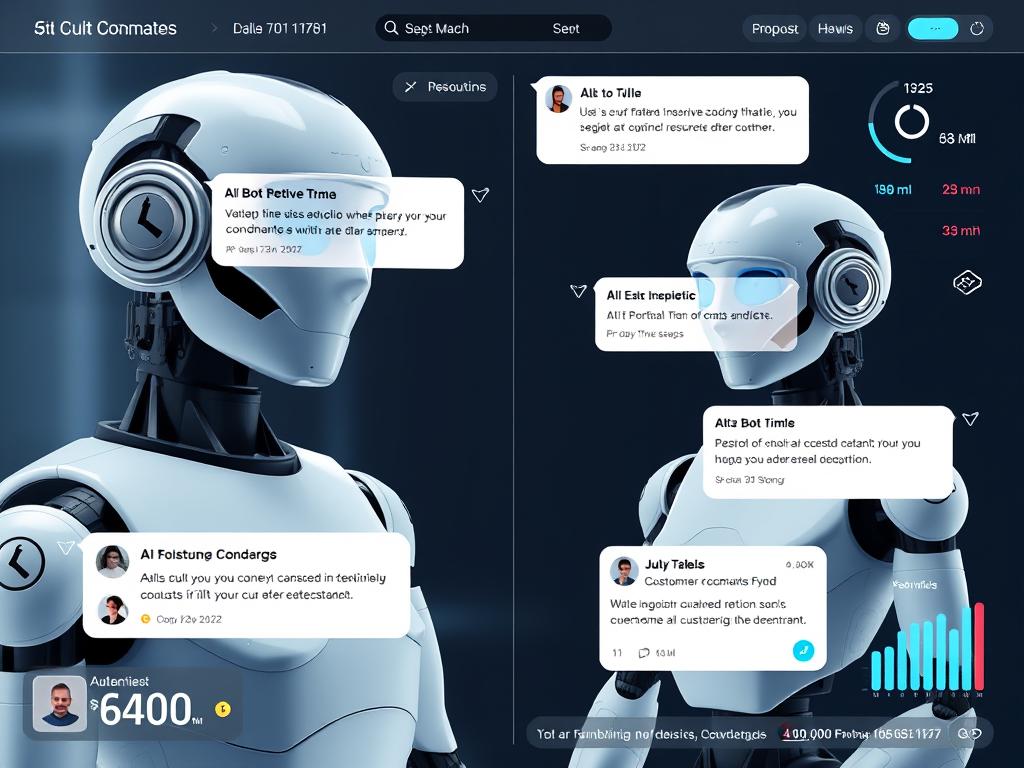
Customer service representatives handle inquiries, resolve complaints, process returns, and provide information about products and services. They typically follow scripts and protocols for common scenarios while escalating complex issues to specialists.
Why AI Will Replace This Role
AI chatbots and virtual assistants have made remarkable progress in natural language understanding. They can now handle up to 80% of routine customer inquiries without human intervention, operating across multiple channels simultaneously and in dozens of languages.
Companies implementing AI customer service solutions report average cost savings of 30-50% while maintaining or improving customer satisfaction scores.
Technologies Leading the Change
- Advanced NLP models that understand context and sentiment
- Voice recognition systems that process and respond to spoken queries
- Omnichannel AI assistants that maintain conversation context across platforms
- Emotion detection algorithms that adapt responses based on customer mood
Adaptation Strategy
Customer service professionals should develop skills in complex problem-solving, emotional intelligence, and specialized product knowledge that AI struggles to replicate. Roles in customer experience design, AI training, and escalation management will grow as routine interactions become automated.
Develop the advanced customer experience skills that AI can’t replace with our specialized training program.
3. Retail Cashiers

Current Responsibilities
Retail cashiers process customer payments, scan items, handle cash and credit transactions, bag purchases, and occasionally answer basic questions about store policies or product locations. The role requires basic math skills and customer service abilities.
Why AI Will Replace This Role
The combination of self-checkout systems, computer vision, and mobile payment technologies has already begun eliminating traditional cashier positions. Amazon’s “Just Walk Out” technology and similar systems are expanding rapidly, allowing customers to shop without any checkout process at all.
“By 2026, we project 65% of retail transactions will occur through automated systems with minimal human oversight.” — Retail Technology Institute
Technologies Leading the Change
- Computer vision systems that automatically identify products without scanning
- Mobile payment platforms that eliminate the need for traditional registers
- RFID and NFC technologies for instant inventory tracking
- Integrated AI systems that manage inventory, pricing, and checkout simultaneously
Adaptation Strategy
Retail workers should focus on developing skills in personalized customer experience, visual merchandising, inventory management, and specialized product knowledge. The future of retail will emphasize human connections that technology can’t replicate.
Transform your retail experience into valuable skills for the future with our Retail Transformation course.
4. Basic Content Writers
Current Responsibilities
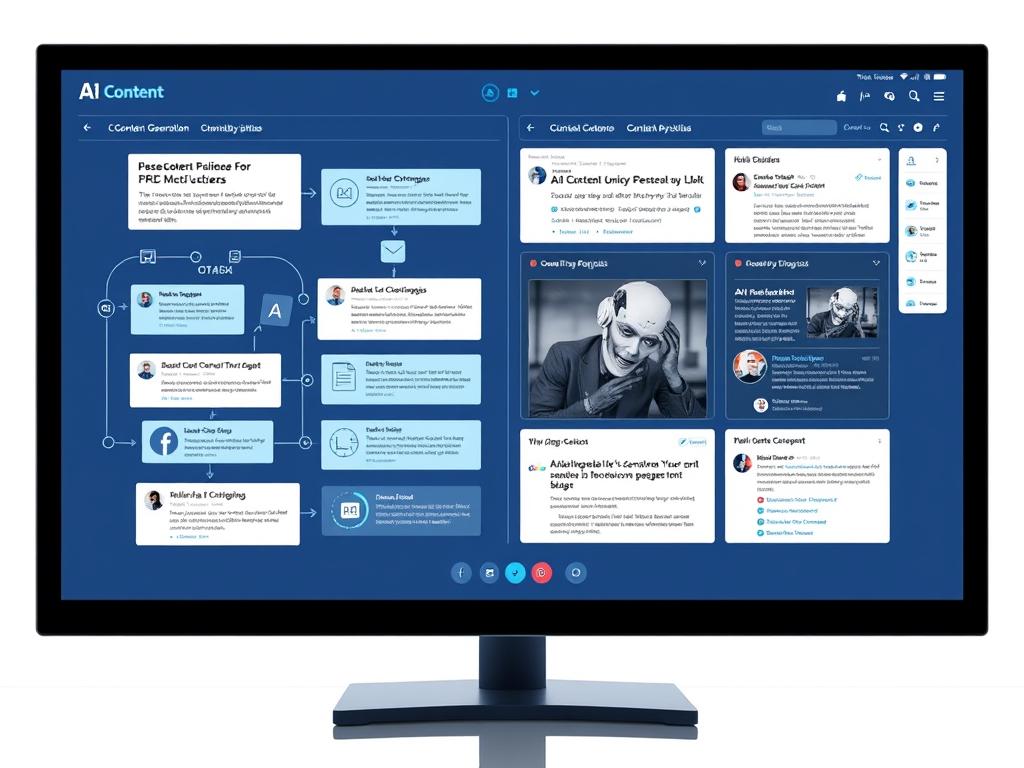
Basic content writers create straightforward marketing copy, product descriptions, simple blog posts, and social media content. Their work typically follows templates and formulas, focusing on SEO keywords and basic information delivery rather than deep creative insight.
Why AI Will Replace This Role
AI language models like GPT-4 have demonstrated remarkable ability to generate coherent, grammatically correct content optimized for specific purposes. These systems can produce thousands of unique content pieces daily, adapting to different tones, styles, and SEO requirements.
Companies using AI content generation report 70-80% cost reduction for routine content creation while maintaining or improving engagement metrics.
Technologies Leading the Change
- Large language models trained on billions of text examples
- Specialized AI writing assistants for different content types
- SEO optimization algorithms that automatically incorporate keywords
- Content personalization systems that adapt messaging to audience segments
Adaptation Strategy
Content creators should develop skills in strategic content planning, brand voice development, emotional storytelling, and original research. The most valuable writers will be those who can provide unique insights, creative concepts, and strategic direction that AI cannot generate.
Learn how to create the kind of content AI can’t replicate with our Strategic Content Creation masterclass.
5. Routine Manufacturing Workers
Current Responsibilities
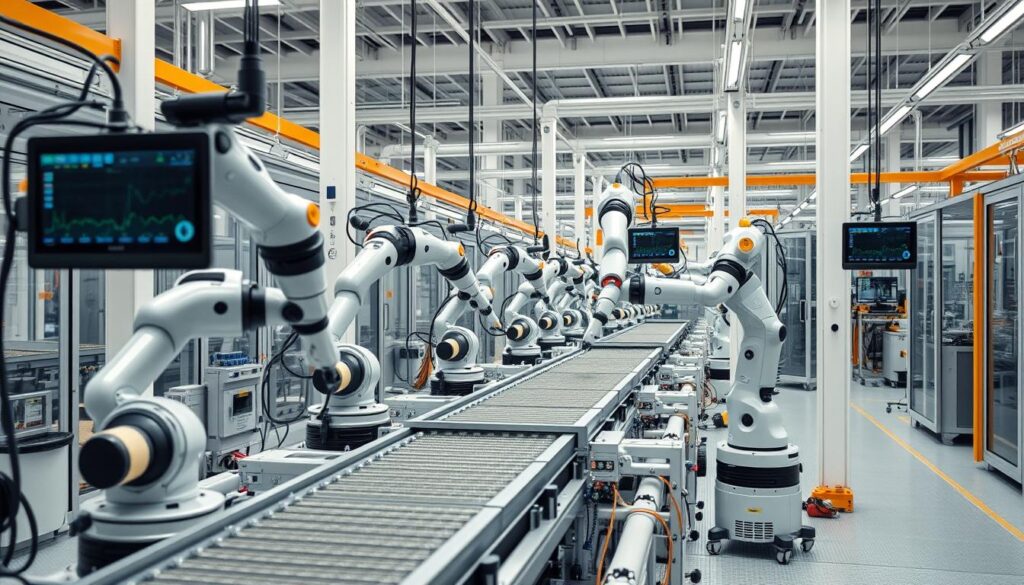
Routine manufacturing workers perform repetitive assembly tasks, operate basic machinery, conduct quality checks, and move materials within production facilities. These roles typically require physical stamina and attention to detail but limited technical expertise.
Why AI Will Replace This Role
The combination of advanced robotics, computer vision, and machine learning has dramatically expanded the range of manufacturing tasks that can be automated. Modern systems can adapt to variations in materials and conditions while maintaining consistent quality and working continuously.
“Manufacturing automation is accelerating rapidly, with 72% of routine production tasks projected to be fully automated by 2026.” — Industry 4.0 Research Consortium
Technologies Leading the Change
- Collaborative robots (cobots) that can safely work alongside humans
- Computer vision systems for quality control and defect detection
- AI-powered predictive maintenance that prevents equipment failures
- Autonomous guided vehicles (AGVs) for materials transport
Adaptation Strategy
Manufacturing workers should focus on developing skills in robotics maintenance, production oversight, process improvement, and specialized manufacturing techniques that require human judgment. Understanding how to program, maintain, and collaborate with automated systems will be essential.
Prepare for the future of manufacturing with our Manufacturing Technology Skills program.
Broader Implications for the Job Market
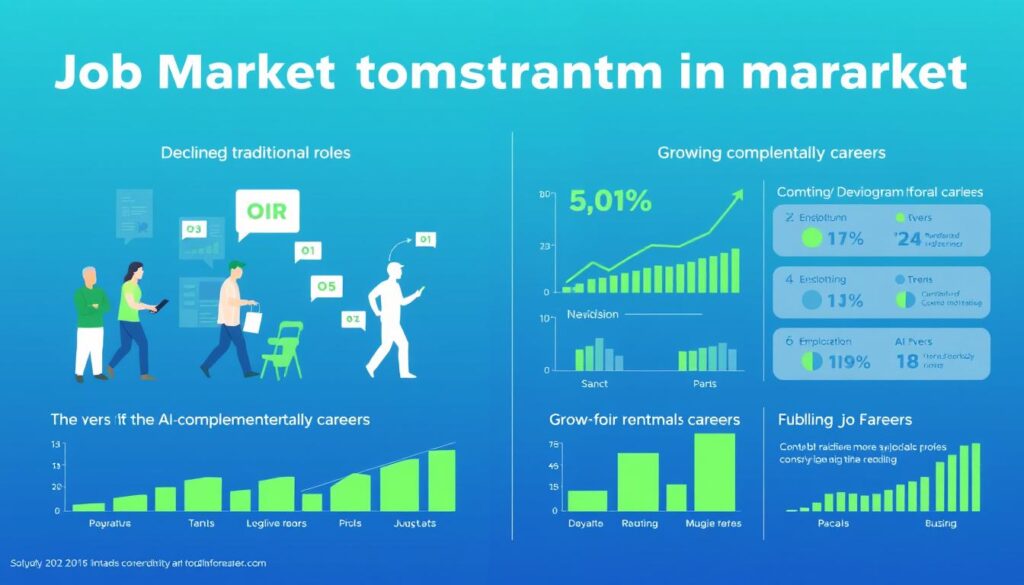
The automation of these five job categories represents just the beginning of a broader transformation. According to the World Economic Forum, while AI will displace approximately 85 million jobs by 2025, it will also create 97 million new roles. The key challenge isn’t just job loss—it’s job transition.
Industries Most Affected
- Retail and consumer goods
- Administrative services
- Manufacturing and production
- Transportation and logistics
- Customer service and support
- Content production and marketing
Growing Opportunity Areas
- AI ethics and governance
- Human-AI collaboration
- Data analysis and interpretation
- Experience design and personalization
- Complex problem-solving
- Emotional intelligence applications
This transition will require significant investment in workforce development, with both employers and governments playing crucial roles in supporting workers through the shift. Companies that invest in reskilling rather than simply replacing their workforce will gain competitive advantages through institutional knowledge retention and employee loyalty.
How to Future-Proof Your Career

Regardless of your current role, several strategies can help you not just survive but thrive in an AI-transformed job market:
1. Develop AI-Complementary Skills
Focus on abilities that AI struggles with: creative thinking, complex problem-solving, ethical reasoning, emotional intelligence, and interpersonal communication. These “uniquely human” skills will remain valuable regardless of technological advances.
2. Learn to Work With AI, Not Against It
Understanding how to effectively use AI tools as force multipliers for your work will be essential. Familiarize yourself with AI capabilities in your field and learn to write effective prompts, validate outputs, and integrate AI into your workflow.
3. Pursue Continuous Learning
The half-life of professional skills is shrinking rapidly. Commit to ongoing education through online courses, industry certifications, and hands-on projects. Platforms like Coursera, LinkedIn Learning, and specialized industry training can help you stay current.
4. Build a T-Shaped Skill Profile
Develop deep expertise in one area while maintaining broader knowledge across related fields. This combination of depth and breadth makes you more adaptable to changing requirements and opportunities.
5. Focus on Human Connection
Roles that require building trust, showing empathy, and creating meaningful connections will remain difficult to automate. Look for opportunities that leverage these distinctly human capabilities.

Success Stories: Thriving Alongside AI
From Data Entry to Data Analysis
“After 12 years in data entry, I saw the writing on the wall. I spent six months learning SQL and basic data visualization. Now I help interpret the data that AI collects, earning 40% more while working fewer hours.”
— Michael T., Former Data Entry Clerk
Customer Service to Experience Design
“When our call center implemented AI, I volunteered to help train it. That led to a role designing customer journeys and identifying where human touch points create the most value. My career has never been more secure.”
— Priya S., Former Customer Service Rep
Content Writer to Strategy Director
“I used to write 20 blog posts a month. Now AI handles the first drafts, and I focus on content strategy and brand voice development. I manage a team that produces 5x more content with the same headcount.”
— James L., Former Content Writer

The Future Belongs to the Adaptable

The AI revolution represents both challenge and opportunity. While certain job categories face disruption, new roles are emerging that combine human creativity with technological capabilities. The workers who will thrive are those who view AI not as a threat but as a powerful tool to augment their uniquely human abilities.
By understanding which jobs are vulnerable, developing complementary skills, and maintaining a growth mindset, you can position yourself not just to survive the AI transition but to benefit from it. The future of work belongs not to those who resist change, but to those who embrace it and evolve alongside technology.
Take the First Step Toward Your Future-Proof Career
Access our free AI-Ready Career Assessment and personalized learning path to identify your most valuable skills and opportunities in the AI economy.




Comments are closed