
The artificial intelligence landscape has entered a transformative era that will redefine how organizations operate in 2026 and beyond. Business leaders now face unprecedented opportunities to leverage AI systems that deliver measurable value across every department and function.
Companies that understand these emerging trends gain significant competitive advantages. The technology has moved past experimental phases into practical applications that drive productivity, efficiency, and innovation at scale.
This comprehensive guide examines ten critical AI Business Trends 2026 that demand attention from every forward-thinking organization. Each trend carries substantial implications for strategy, operations, and long-term growth potential.
Stay Ahead of AI Transformation
Subscribe to receive exclusive insights on implementing AI strategies that drive real business results. Get weekly analysis delivered to your inbox.
Autonomous AI Agents Revolutionize Business Operations
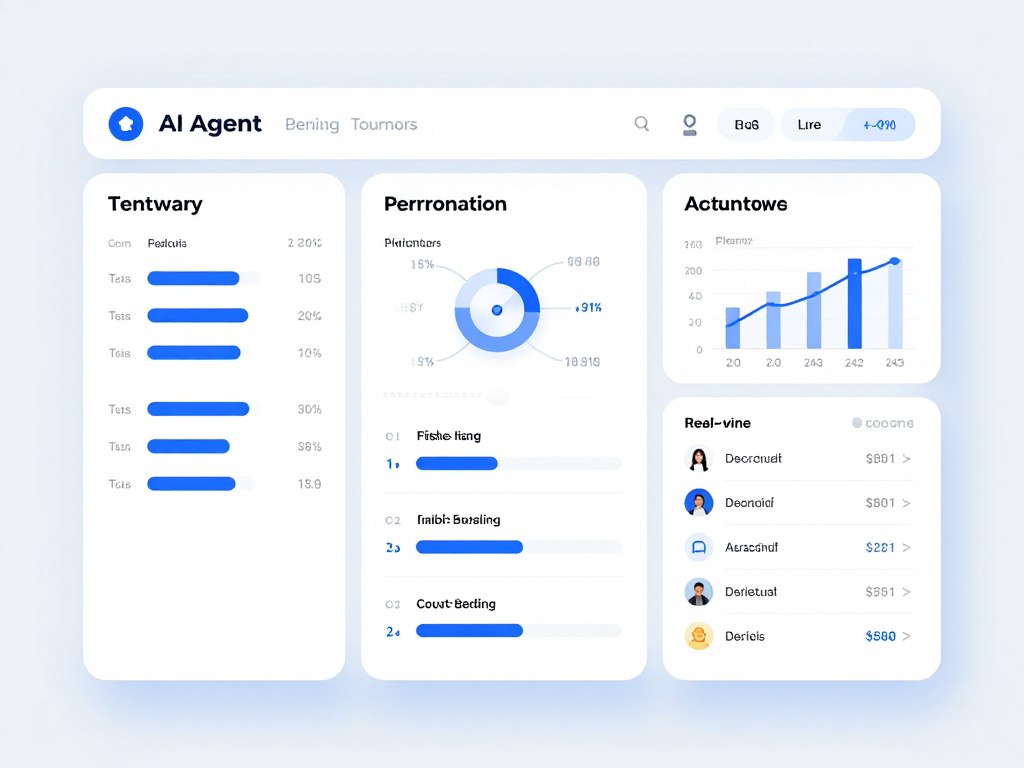
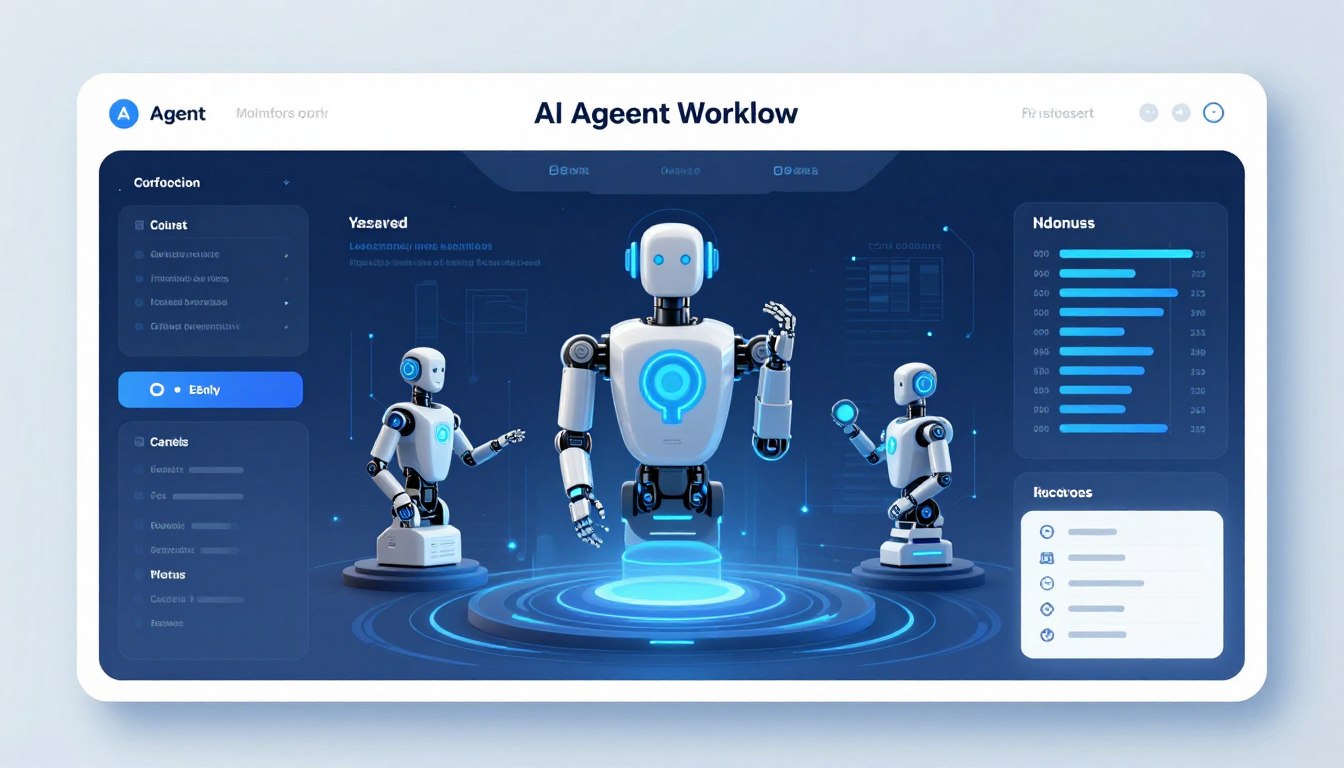
Autonomous agents represent the most significant shift in how organizations deploy artificial intelligence technology. These intelligent systems operate independently to complete complex tasks without constant human oversight or intervention.
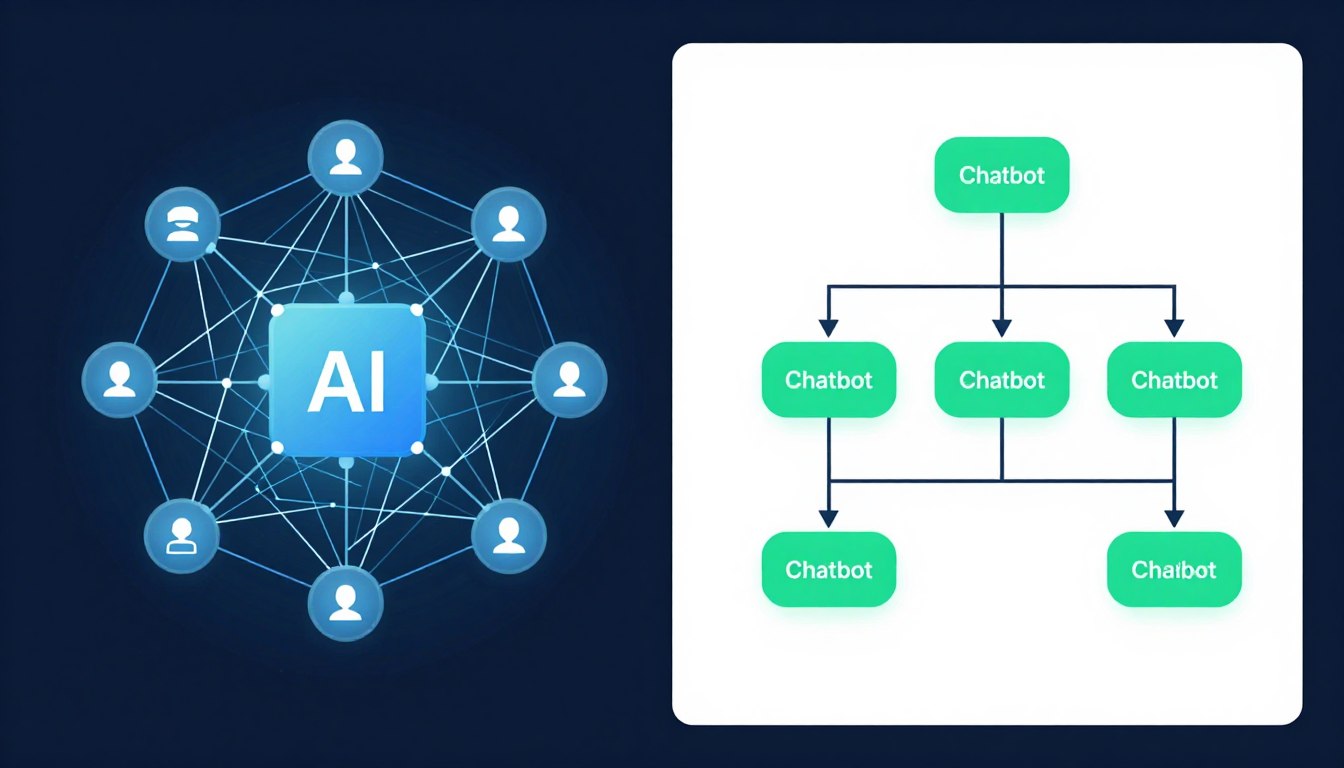
Unlike traditional software that follows predetermined rules, agents make decisions based on goals and environmental factors. They analyze situations, plan actions, and execute workflows across multiple systems and platforms.

How Agents Transform Daily Work
Organizations deploy agents to handle routine tasks that traditionally consumed significant employee time. These systems manage scheduling, data entry, customer inquiries, and document processing with minimal human involvement.
The technology excels at repetitive workflows where consistency matters. Agents maintain quality standards while operating continuously across time zones and business hours.
Companies report productivity gains of thirty to fifty percent in departments where agents handle administrative tasks. Workers redirect their energy toward strategic projects that require human creativity and judgment.
Integration Across Business Systems
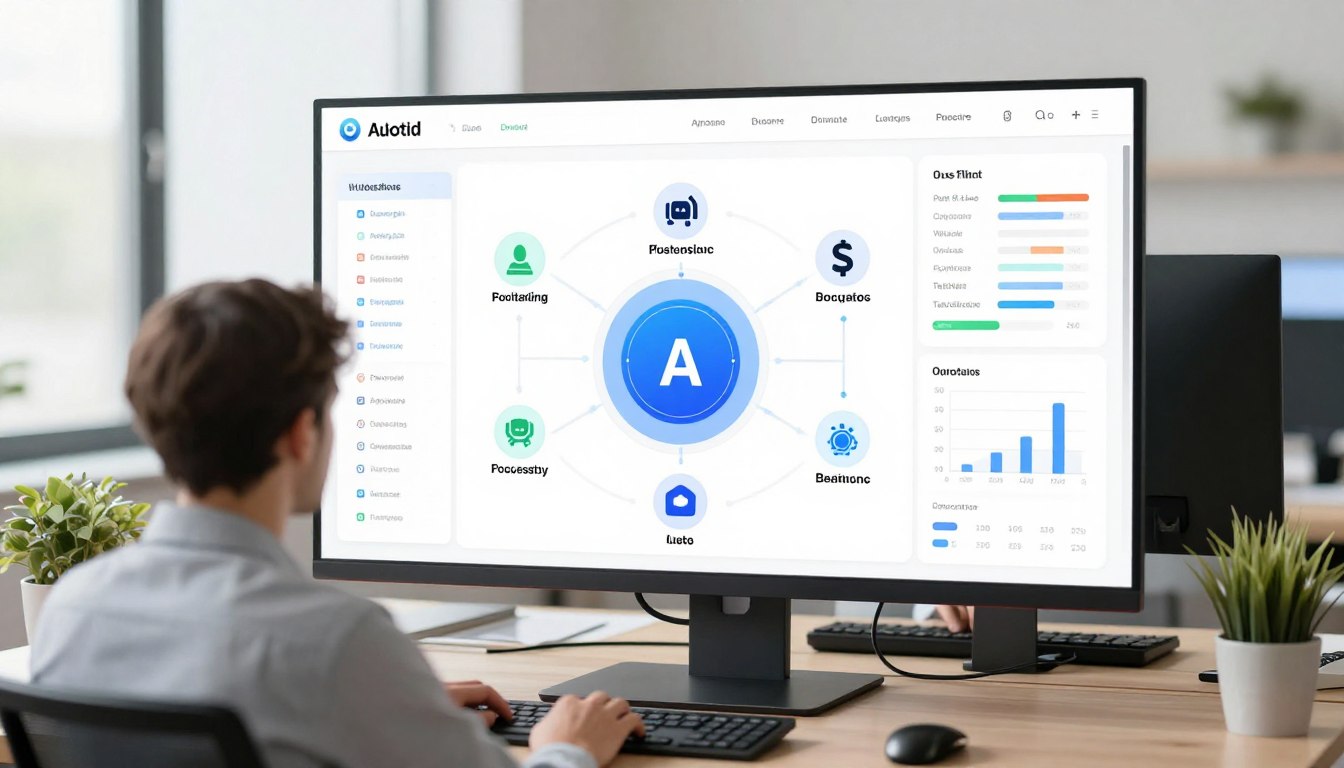
Modern agents connect seamlessly with existing enterprise software and tools. They pull data from customer relationship management platforms, update inventory systems, and communicate through messaging channels.
This integration capability eliminates information silos that slow down operations. Agents ensure data flows smoothly between departments and external partners.
Key Agent Capabilities
- Natural language understanding for human communication
- Multi-step task planning and execution
- Real-time decision making based on changing conditions
- Learning from outcomes to improve performance
- Coordination with other agents and human team members
Security and Governance Considerations
Organizations must establish clear governance frameworks before deploying agents at scale. These systems require access to sensitive data and critical business processes.
Leadership teams define boundaries for agent authority and implement monitoring systems. Regular audits ensure agents operate within approved parameters and comply with industry regulations.
Trust builds gradually as agents demonstrate reliability over time. Companies typically start with low-risk applications before expanding to mission-critical functions.
Value-Driven Investment Strategies Replace Experimentation
The era of experimental AI projects has given way to disciplined investments focused on measurable returns. Organizations now demand clear business cases before committing resources to artificial intelligence initiatives.
Leadership teams scrutinize proposed projects through financial lenses. They evaluate potential productivity gains, cost reductions, and revenue opportunities with the same rigor applied to traditional capital investments.

Measuring Real Business Impact
Companies establish key performance indicators before launching AI implementations. These metrics track efficiency improvements, error reduction rates, and time savings across affected workflows.
Finance departments calculate total cost of ownership including software licenses, infrastructure, training, and ongoing maintenance. They compare these expenses against quantified benefits to determine net value creation.
Organizations that achieve strong returns typically see results within six to twelve months. Quick wins build momentum and secure budget approval for larger transformation projects.
Prioritizing High-Impact Use Cases
Strategic planning processes identify areas where AI delivers maximum value relative to implementation complexity. Teams assess current pain points, available data quality, and integration requirements.
Customer service operations frequently emerge as priority targets. AI tools reduce response times while maintaining satisfaction scores, creating immediate measurable impact.
Investment Reality Check: Research shows that companies focusing investments on three to five high-value use cases achieve better returns than those spreading resources across numerous small projects. Concentration drives expertise development and maximizes organizational learning.
Building Business Cases That Secure Approval
Successful proposals articulate specific problems and quantify current costs. They outline how AI solutions address these challenges and project realistic timelines for implementation and value realization.
Teams include risk assessments covering technical challenges, change management requirements, and potential obstacles. Transparent communication about both opportunities and limitations builds credibility with decision makers.
Calculate Your AI Investment Returns
Access our comprehensive AI ROI calculator designed for business leaders. Input your operational data to receive customized projections and implementation roadmaps.
Intelligent Workflow Automation Becomes Universal
Artificial intelligence has embedded itself into workflows across every business function. The technology no longer exists as separate tools but integrates directly into daily work processes.
Organizations automate sequences of tasks that previously required human coordination. Systems handle data transfers, approval routing, notification sending, and status updates without manual intervention.

End-to-End Process Transformation
Companies redesign entire processes around AI capabilities rather than simply digitizing existing manual steps. This approach unlocks greater efficiency gains and eliminates bottlenecks that constrained traditional workflows.
Invoice processing exemplifies this transformation. Modern systems extract data from documents, validate against purchase orders, route approvals based on business rules, and update financial records automatically.
The same principles apply across procurement, human resources, quality assurance, and compliance functions. Automation reduces cycle times while improving accuracy and consistency.
Human-AI Collaboration Models
Effective implementations recognize that people and systems each bring unique strengths. Humans excel at judgment calls, relationship management, and creative problem solving.
AI handles high-volume repetitive tasks, pattern recognition, and rapid data analysis. Organizations design workflows that leverage both capabilities in complementary ways.
Workers transition from task execution to exception handling and strategic oversight. They focus attention on situations requiring human insight while automation manages routine operations.
Workflow Automation Benefits
- Reduced operational costs through labor efficiency
- Faster process completion and shorter cycle times
- Improved accuracy and reduced error rates
- Better resource allocation to strategic work
- Enhanced scalability without proportional headcount growth
- Consistent process execution across locations
Implementation Challenges
- Initial setup requires significant time investment
- Change management and employee adaptation needs
- Integration complexity with legacy systems
- Ongoing monitoring and maintenance requirements
- Training costs for staff and administrators
- Process standardization before automation
Data Quality Becomes Strategic Competitive Advantage
Organizations recognize that artificial intelligence performance depends entirely on data quality and accessibility. The most sophisticated algorithms fail when trained on incomplete, inconsistent, or biased information.
Business leaders now prioritize data governance initiatives that were previously considered technical concerns. They understand that clean, well-organized data enables better model performance and more reliable insights.

Building Enterprise Data Foundations
Companies invest in comprehensive data infrastructure that supports AI applications across the organization. This includes centralized repositories, standardized formats, and clear ownership structures.
Data engineering teams establish pipelines that collect, clean, and transform information from multiple sources. They create unified views that eliminate inconsistencies between departmental systems.
Master data management practices ensure customer records, product catalogs, and vendor information remain accurate and current. These foundations prevent model errors caused by outdated or conflicting data.
Real-Time Data Access Requirements
Modern AI systems need fresh information to make relevant recommendations and predictions. Organizations modernize architectures to enable real-time data streaming rather than periodic batch updates.
This capability proves essential for applications like dynamic pricing, fraud detection, and personalized customer interactions. Delays of even minutes can reduce effectiveness significantly.
Data Quality Dimensions
- Accuracy – Information correctly represents reality
- Completeness – All required fields contain values
- Consistency – Data matches across all systems
- Timeliness – Information reflects current state
- Validity – Values conform to defined formats
- Uniqueness – No duplicate records exist
Governance Best Practices
- Establish clear data ownership and accountability
- Define standards for collection and storage
- Implement automated quality monitoring
- Create feedback loops for continuous improvement
- Document data lineage and transformations
- Enforce security and privacy controls
Privacy and Ethical Data Use
Organizations balance data utilization with responsible stewardship of customer information. They implement privacy-preserving techniques that enable analysis while protecting individual identities.
Compliance teams work closely with data scientists to ensure AI applications meet regulatory requirements. This includes obtaining proper consent, limiting data retention, and providing transparency about usage.
Ethical frameworks guide decisions about which data to collect and how to apply it. Companies avoid practices that could lead to discrimination or unfair treatment of individuals or groups.
Industry-Specific AI Models Deliver Superior Performance
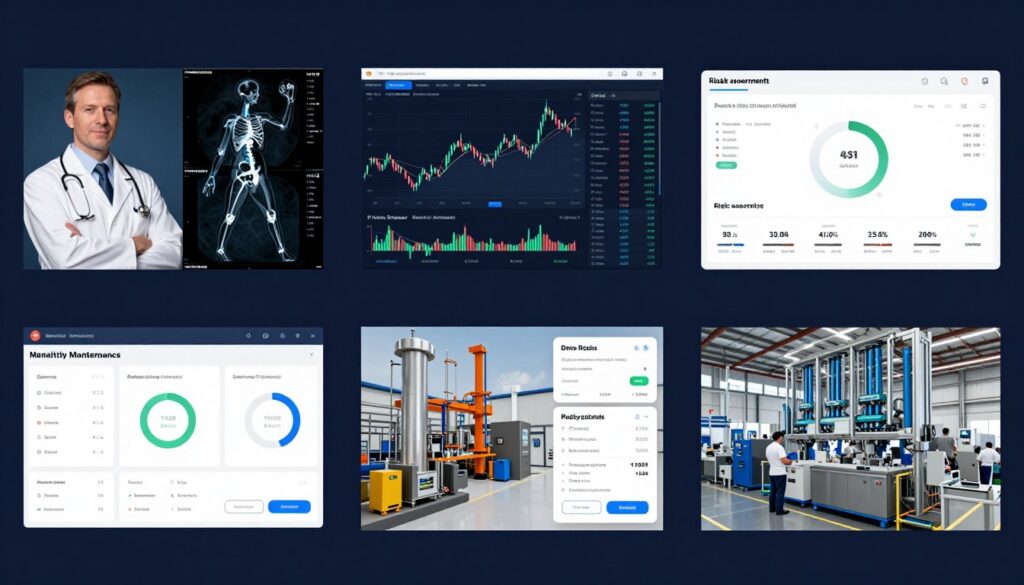
Generic artificial intelligence systems give way to specialized models designed for specific industries and use cases. These purpose-built solutions understand domain terminology, regulations, and unique business processes.
Healthcare organizations deploy models trained on medical literature and clinical data. Financial services firms use systems that comprehend regulatory requirements and market dynamics.
Customization Versus General Purpose Tools
Companies evaluate whether to customize general models or adopt pre-trained industry solutions. Factors include available resources, data volumes, and competitive differentiation requirements.
Large organizations with substantial data assets often develop proprietary models. This approach creates intellectual property advantages and addresses unique operational requirements.
Smaller companies leverage vendor-provided industry models that incorporate best practices from multiple clients. These solutions offer faster deployment with lower upfront investment.
Vertical Market Applications
Retail businesses implement AI specifically designed for inventory optimization, demand forecasting, and personalized merchandising. These systems account for seasonal patterns, promotional impacts, and consumer behavior trends.
Manufacturing plants deploy predictive maintenance models trained on equipment sensor data from similar facilities. The technology anticipates failures before they occur, reducing downtime and repair costs.
Professional services firms adopt tools built for project management, resource allocation, and client engagement. Industry-specific capabilities deliver better results than generic productivity software.
Industry AI Implementation Guide
Download our comprehensive guide featuring case studies from your industry. Learn proven strategies for selecting, customizing, and deploying AI solutions that deliver measurable results.
Integration with Domain Expertise
The most successful implementations combine AI capabilities with deep industry knowledge. Technology alone cannot replicate years of professional experience and contextual understanding.
Organizations create teams that blend data scientists with domain experts. This collaboration ensures models address real business problems and generate insights that practitioners trust and adopt.
Security and Trust Frameworks Become Business Imperatives
Organizations cannot afford to deploy artificial intelligence systems without robust security measures and trust frameworks. The potential risks from compromised AI tools or biased model outputs demand serious attention from leadership teams.
Companies establish governance structures that oversee AI development, testing, and deployment. These frameworks define acceptable uses, monitor for unintended consequences, and ensure compliance with emerging regulations.
Protecting AI Systems From Attacks
Malicious actors target artificial intelligence infrastructure through various attack vectors. They attempt to poison training data, manipulate model outputs, or steal proprietary algorithms.
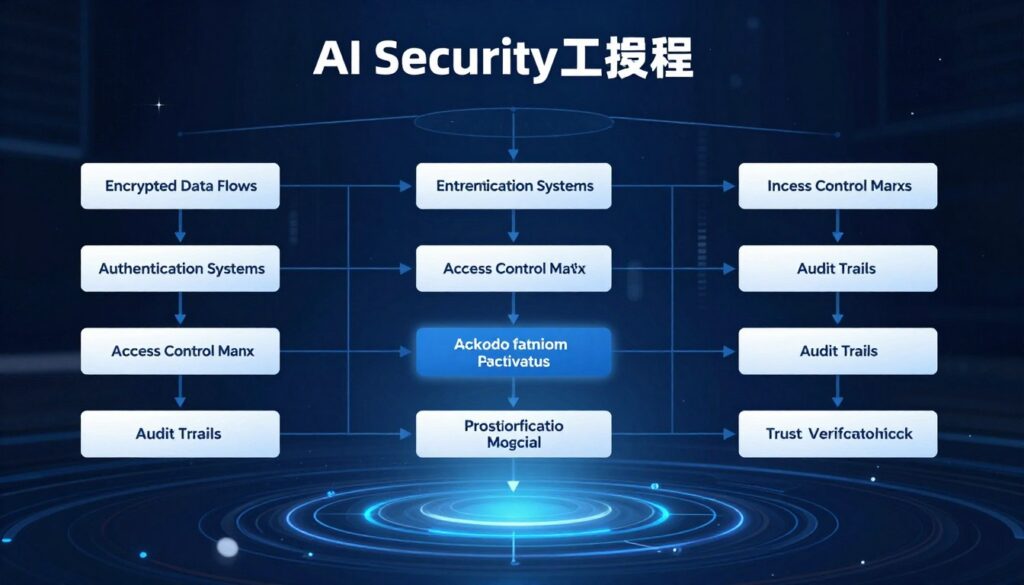
Security teams implement controls that protect models throughout their lifecycle. This includes securing training environments, encrypting model parameters, and monitoring inference requests for suspicious patterns.
Access management systems restrict who can modify models or access sensitive training data. Multi-factor authentication and role-based permissions prevent unauthorized changes.
Ensuring Fair and Unbiased Outcomes
Organizations test AI systems for bias before deployment and monitor outputs continuously. They examine whether models produce different results for protected demographic groups.
When bias appears, teams investigate root causes in training data or model design. They implement corrections and retrain systems to produce equitable results across all user populations.
Regulatory Landscape: Governments worldwide introduce AI-specific regulations covering transparency, accountability, and fairness. Companies operating across multiple jurisdictions must navigate varying requirements while maintaining consistent ethical standards.
Building User Trust Through Transparency
People need to understand how AI systems make decisions that affect them. Organizations provide explanations for model outputs in language that non-technical stakeholders comprehend.
Transparency extends to disclosing when AI influences decisions versus purely human judgment. Clear communication prevents confusion and builds confidence in technology adoption.
Companies publish AI principles that guide development and deployment practices. These public commitments create accountability and demonstrate responsible technology stewardship.
- Encrypted data storage and transmission
- Access controls and authentication systems
- Regular security audits and penetration testing
- Incident response procedures for breaches
- Model versioning and rollback capabilities
- Supply chain security for AI components
Security Requirements
- Bias testing across demographic groups
- Explainability for model decisions
- Human oversight and intervention options
- Privacy protection and data minimization
- Regular ethics reviews of applications
- Stakeholder feedback mechanisms
Trust Framework Elements
Productivity Gains Reshape Workforce Planning
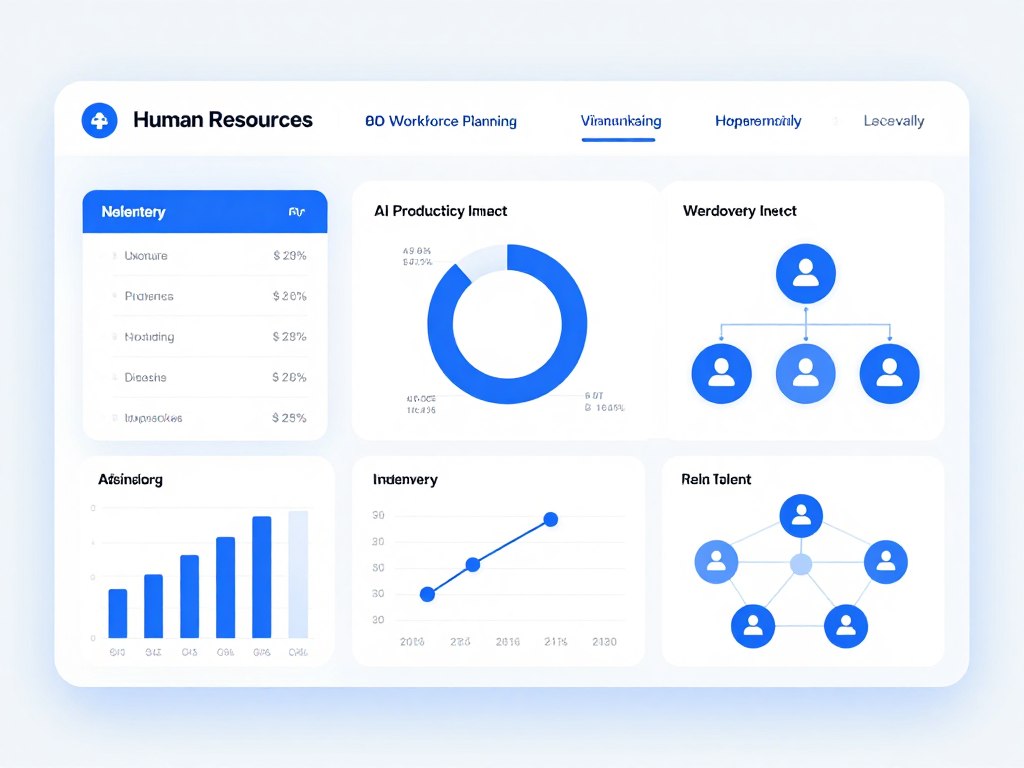
Artificial intelligence drives productivity improvements that fundamentally alter how organizations think about staffing and resource allocation. Companies accomplish more work with existing teams while redirecting human talent toward higher-value activities.
The technology enables individual workers to handle greater volumes of tasks. Knowledge workers complete research, analysis, and content creation faster with AI assistance.

Measuring Productivity Impact
Organizations track productivity changes through multiple lenses. They monitor task completion rates, quality metrics, and time allocation across different activity types.
Customer service teams measure cases resolved per agent and average handling time. Marketing departments track content production volumes and campaign development cycles.
These metrics reveal where AI delivers the greatest impact and which processes still need optimization. Data-driven insights guide decisions about further technology investments.
Redefining Roles and Responsibilities
Job descriptions evolve as routine tasks move to automated systems. Positions emphasize judgment, creativity, and interpersonal skills that technology cannot easily replicate.
Organizations invest in training programs that help employees develop capabilities complementary to AI. Workers learn to prompt systems effectively, interpret outputs critically, and apply results appropriately.
Performance management systems adapt to evaluate contributions in this new environment. Success metrics shift toward outcomes and strategic impact rather than task volume.
Strategic Workforce Planning
Leadership teams reconsider hiring needs as productivity per employee increases. They balance headcount decisions against growth plans and competitive positioning requirements.
Some companies choose to maintain team sizes while expanding output and market presence. Others reduce hiring rates while achieving planned business objectives.
The approach depends on strategic priorities and competitive dynamics. Growth-focused organizations leverage productivity gains to outpace rivals. Efficiency-oriented companies maximize profitability through cost management.
Human resources departments develop talent strategies aligned with AI-augmented workforce models. They identify skills that remain in high demand and create development pathways for existing employees.
Leadership AI Literacy Becomes Essential Competency
Executive teams must develop genuine understanding of artificial intelligence capabilities and limitations. Strategic decisions about technology investments, competitive positioning, and organizational transformation require informed leadership.
The most successful companies ensure their senior management possesses practical AI literacy. Leaders need not become technical experts but should comprehend fundamental concepts and business applications.

Core Knowledge Requirements
Leaders grasp how machine learning models work at a conceptual level. They understand the relationship between data quality, training processes, and model performance.
This knowledge enables realistic expectations about implementation timelines and potential results. Executives can distinguish between marketing hype and genuine capabilities when evaluating vendor solutions.
Strategic discussions benefit from shared vocabulary and understanding. Teams debate options more effectively when everyone comprehends technical constraints and possibilities.
Governance and Oversight Responsibilities
Board members and executives establish appropriate governance structures for AI initiatives. They define risk tolerance, approve investment thresholds, and monitor progress against strategic objectives.
Leadership teams ensure ethical considerations receive proper attention in development and deployment decisions. They champion responsible practices throughout the organization.
Education Programs: Forward-thinking organizations implement AI education programs for executives and board members. These initiatives combine classroom learning with hands-on experimentation using business-relevant applications. Participants gain confidence making strategic technology decisions.
Driving Cultural Transformation
Leaders set the tone for organizational AI adoption through their actions and communication. They model curiosity about new capabilities and willingness to experiment with innovative approaches.
Executive sponsorship proves critical for overcoming resistance to change. When senior leaders visibly support AI initiatives, middle management and frontline workers feel more comfortable embracing new tools and processes.
Organizations develop cultures of continuous learning where failure becomes acceptable as part of innovation. This mindset enables faster experimentation and iteration toward successful implementations.
Energy Efficiency and Sustainable AI Practices Gain Priority
The environmental impact of artificial intelligence operations receives growing attention from organizations and stakeholders. Large language models and complex neural networks consume substantial electricity and computational resources.
Companies face pressure to balance AI adoption with sustainability commitments. They seek approaches that deliver business value while minimizing energy consumption and carbon footprint.

Measuring AI Environmental Impact
Organizations track energy consumption associated with model training and inference operations. They calculate carbon emissions based on electricity sources and data center locations.
This visibility enables informed decisions about which models to deploy and how to optimize their operations. Teams consider environmental costs alongside financial and performance factors.
Sustainability reports now include metrics specific to AI infrastructure. Stakeholders want transparency about technology-related environmental impacts.
Efficiency Optimization Strategies
Companies adopt techniques that reduce computational requirements without sacrificing model performance. Model compression approaches create smaller, faster versions of large neural networks.
Efficient architecture designs accomplish tasks with fewer calculations and parameters. Organizations select models appropriate to problem complexity rather than defaulting to the largest available systems.
Energy Reduction Approaches
- Model compression and quantization techniques
- Efficient neural architecture search
- Transfer learning to reduce training needs
- Edge computing for local inference
- Scheduled batch processing during off-peak hours
Sustainable Infrastructure
- Renewable energy powered data centers
- Advanced cooling systems and hardware
- Geographic location selection for efficiency
- Hardware recycling and circular economy practices
- Carbon offset programs for unavoidable emissions
Vendor Selection Criteria
Organizations evaluate cloud providers and software vendors based on their sustainability practices. They prefer partners committed to renewable energy and efficient infrastructure.
Procurement teams request information about environmental impact during vendor selection processes. This demand drives providers to prioritize efficiency and transparency.
AI Sustainability Assessment
Evaluate your current AI infrastructure environmental impact and discover optimization opportunities. Our specialists provide customized recommendations for reducing energy consumption while maintaining performance.
AI-Powered Decision Intelligence Transforms Management
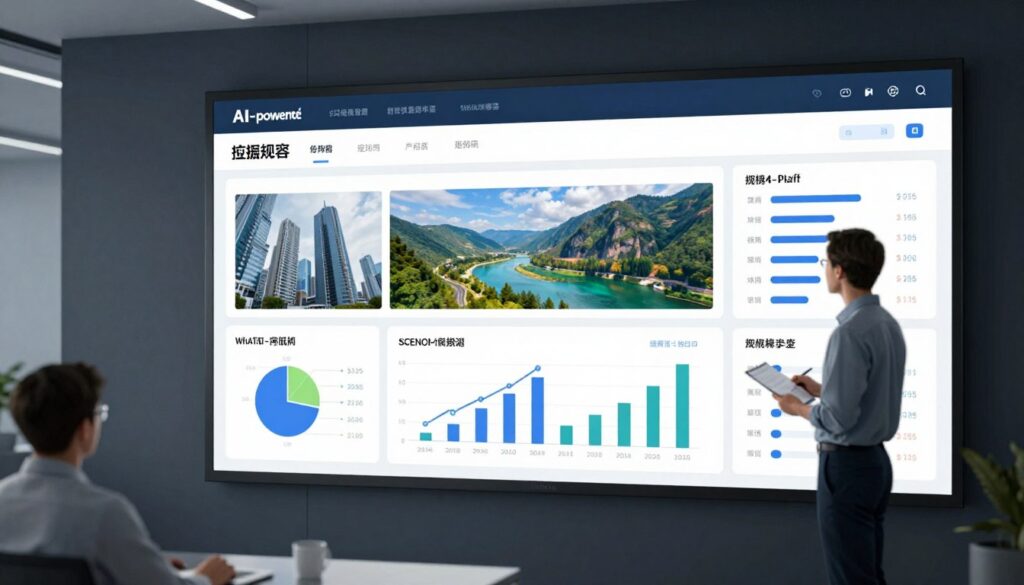
Management teams leverage artificial intelligence to make faster, more informed decisions across strategic and operational domains. The technology synthesizes vast amounts of information and presents insights that would be impossible to generate manually.
Decision intelligence platforms combine multiple data sources, apply predictive models, and recommend actions based on desired outcomes. Leaders access sophisticated analysis without requiring deep technical expertise.
Strategic Planning Applications
Organizations apply AI to long-range planning processes. Systems model different scenarios, forecast market trends, and evaluate strategic options against multiple criteria.
These capabilities help leadership teams anticipate disruptions and identify emerging opportunities earlier than competitors. Predictive analytics reveal patterns in customer behavior, competitive moves, and technological changes.
Strategy development becomes more dynamic as teams test hypotheses and refine approaches based on continuous feedback. Annual planning cycles give way to ongoing strategic adaptation.
Operational Decision Support
Managers receive real-time recommendations for tactical decisions across supply chain, staffing, and resource allocation domains. AI systems optimize complex tradeoffs that challenge human analysis.
Inventory management tools balance carrying costs against stockout risks across thousands of products and locations. Workforce scheduling systems match labor supply to demand while respecting employee preferences and regulations.
These applications free managers to focus on exceptions and strategic priorities. Routine optimization happens automatically with human oversight.
Risk Management Enhancement
Artificial intelligence improves risk identification and mitigation across financial, operational, and reputational domains. Systems monitor vast datasets for early warning signals that might escape human attention.
Credit risk models evaluate borrower profiles with greater accuracy than traditional scoring approaches. Operational risk platforms identify process vulnerabilities before they cause significant problems.
Human Judgment Remains Essential: While AI enhances decision-making capabilities, human judgment remains crucial for ethical considerations, stakeholder relationships, and situations requiring empathy. The most effective approach combines machine intelligence with human wisdom.
Personalized Customer Experience Becomes Universal Expectation
Consumers now expect every interaction with companies to reflect their individual preferences, history, and needs. Artificial intelligence makes this level of personalization economically feasible across massive customer bases.
Organizations deploy systems that learn from each customer interaction and adapt communications, recommendations, and service delivery accordingly. The technology creates experiences that feel tailored while serving millions of people simultaneously.

Real-Time Personalization at Scale
Websites and mobile applications dynamically adjust content based on visitor characteristics and behavior. Product recommendations reflect individual tastes rather than generic popularity rankings.
Email marketing campaigns deliver messages timed to customer readiness and relevant to current needs. Content varies by recipient to maximize engagement and conversion rates.
This individualization extends beyond digital channels. In-store systems recognize loyalty program members and provide personalized offers through mobile devices.
Conversational AI and Customer Service
Intelligent chatbots and virtual assistants handle routine customer inquiries with natural language understanding. These systems resolve common issues immediately while escalating complex situations to human agents.
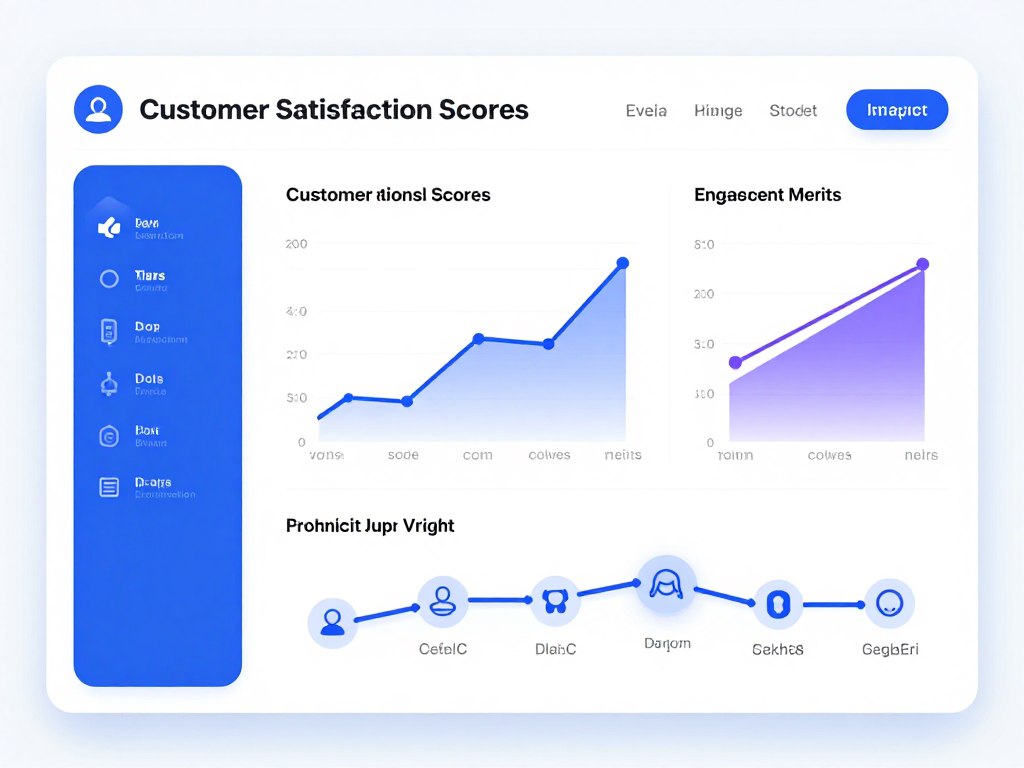
Service quality improves as AI provides agents with customer history, recommended solutions, and relevant knowledge articles. Response times decrease while customer satisfaction scores increase.
Voice-based assistants enable hands-free interaction for customers performing other tasks. The technology removes friction from service access and problem resolution.
Personalization Benefits
- Higher customer engagement and loyalty
- Increased conversion rates and revenue
- Reduced service costs through automation
- Better customer lifetime value
- Competitive differentiation in crowded markets
Privacy and Personalization Balance
Organizations must personalize experiences while respecting customer privacy preferences. They implement transparent data practices that give individuals control over information collection and usage.
Consent management platforms ensure compliance with privacy regulations across jurisdictions. Customers choose their comfort level with data sharing and receive corresponding experience benefits.
This balance builds trust that deepens customer relationships over time. Transparent practices differentiate ethical brands from those perceived as invasive.
Building Your AI Implementation Roadmap
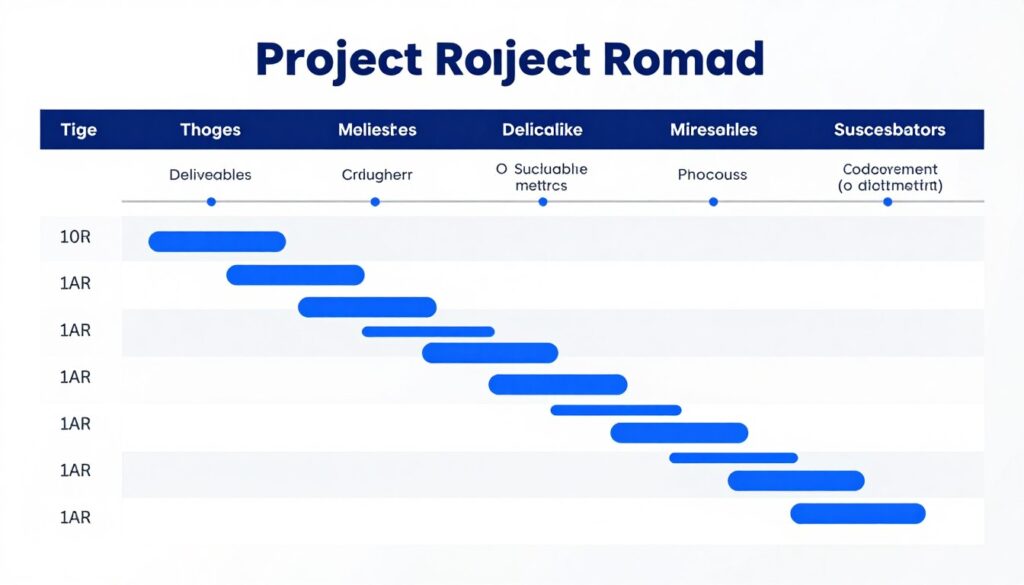
Organizations need structured approaches to capitalize on AI Business Trends 2026 effectively. Success requires thoughtful planning, realistic timelines, and commitment to continuous improvement.
Companies that rush into implementation without proper groundwork often encounter obstacles that delay value realization. A disciplined roadmap addresses technical, organizational, and strategic dimensions simultaneously.
Assessment and Readiness Evaluation
The first step involves honest assessment of current capabilities and gaps. Organizations evaluate data infrastructure, technical skills, leadership support, and cultural readiness for AI adoption.
This diagnostic phase identifies quick wins that build momentum alongside longer-term foundational investments. Teams prioritize initiatives based on business impact and implementation feasibility.
Readiness assessments also reveal change management needs and potential resistance points. Early identification enables proactive mitigation strategies.
Phased Deployment Strategy
Successful organizations adopt staged rollout approaches rather than attempting enterprise-wide transformation simultaneously. They start with pilot projects in contained environments where learning can occur safely.
Early phases focus on proving value and developing organizational capabilities. Teams document lessons learned and refine approaches before scaling to additional departments or use cases.
Skills Development and Training
Organizations invest in developing AI literacy across all levels. Technical teams need deep expertise in data science, machine learning, and systems integration.
Business users require training on effectively leveraging AI tools in their daily work. They learn to interpret model outputs, identify appropriate applications, and provide feedback for improvement.
Leadership development programs ensure executives can guide strategy and make informed investment decisions. This multi-level capability building creates sustainable competitive advantage.
Custom AI Readiness Assessment
Schedule a comprehensive evaluation of your organization’s AI readiness with our expert consultants. Receive a detailed roadmap tailored to your industry, size, and strategic objectives.
Measuring Success and Iterating
Clear metrics guide implementation efforts and demonstrate value to stakeholders. Organizations track both leading indicators like user adoption and lagging indicators like financial returns.
Regular review cycles assess progress against goals and identify adjustment needs. Teams celebrate successes while addressing challenges transparently.
This measurement discipline ensures AI investments deliver promised returns and maintain organizational support for continued innovation.
Preparing Your Organization for the AI-Driven Future
The AI Business Trends 2026 outlined in this analysis represent more than technological evolution. They signal fundamental shifts in how organizations create value, serve customers, and compete in global markets.
Companies that embrace these trends thoughtfully position themselves for sustained success. Those that hesitate risk falling behind competitors who leverage artificial intelligence more aggressively.

The path forward requires balancing ambition with pragmatism. Organizations must invest in foundational capabilities while pursuing quick wins that demonstrate value. They need governance frameworks that manage risk without stifling innovation.
Leadership commitment proves essential throughout this journey. Executives who develop AI literacy, champion responsible practices, and maintain strategic focus enable their organizations to navigate complexity successfully.
The future belongs to companies that view artificial intelligence not as a technology project but as a fundamental business capability. These organizations integrate AI into strategy, operations, culture, and competitive positioning.
Success in this era demands continuous learning and adaptation. Markets evolve, technologies advance, and customer expectations shift. Organizations that embed experimentation and improvement into their DNA thrive in dynamic environments.
The trends explored here provide a roadmap for immediate action and long-term preparation. Business leaders who act decisively on these insights create lasting competitive advantages for their organizations.
Transform Your Business with AI Strategy
Partner with our expert team to develop and execute a comprehensive AI transformation strategy. We combine deep industry knowledge with technical expertise to deliver measurable business results.
Stay Connected: The AI landscape evolves rapidly. Subscribe to our quarterly insights report to receive ongoing analysis of emerging trends, implementation best practices, and industry case studies delivered directly to your inbox.





Comments are closed