
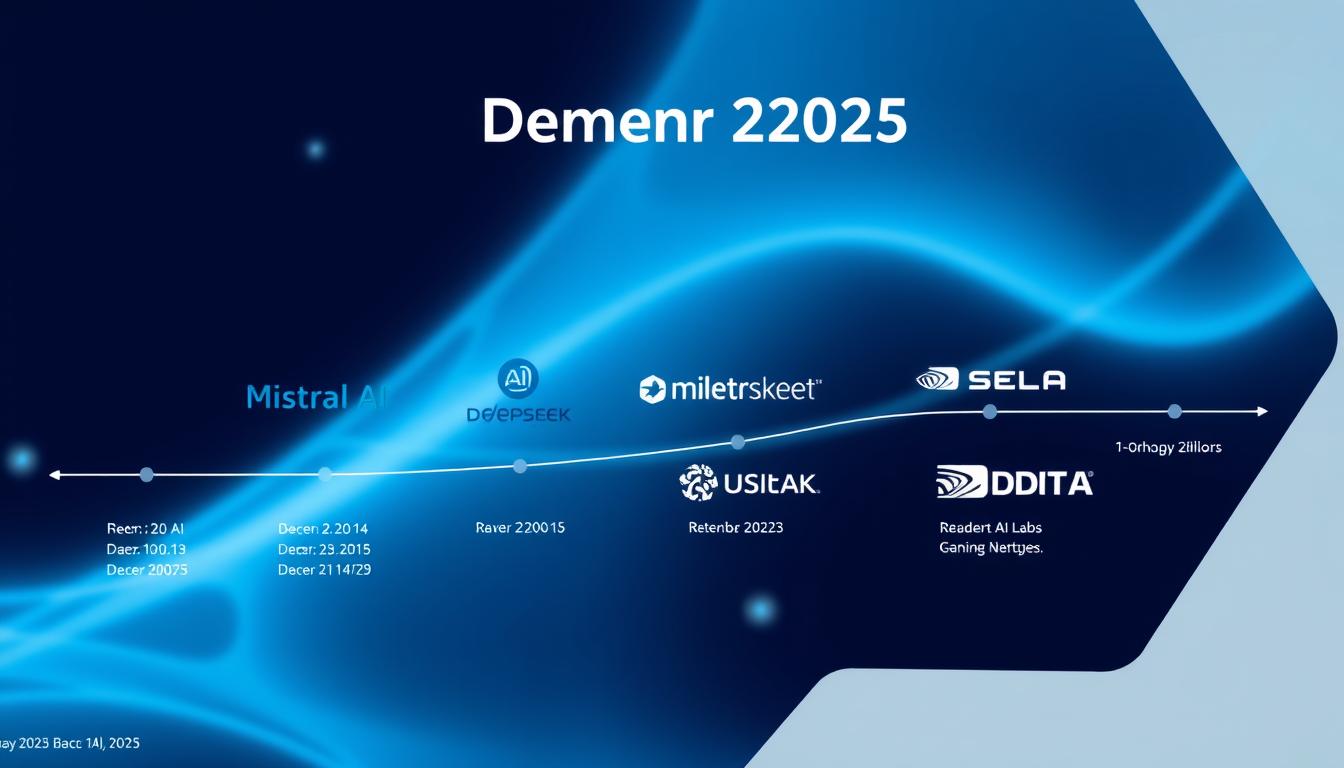
December 2025 is shaping up to be a pivotal month for artificial intelligence, with several major labs scheduled to release groundbreaking models that promise to redefine what’s possible with AI. From enhanced reasoning capabilities to unprecedented efficiency, these new releases represent the culmination of years of research and billions in investment. In this comprehensive guide, we examine the most significant AI model releases expected this month and analyze their potential impact across industries.
The Current AI Landscape: Setting the Stage for December’s Releases
The AI industry has undergone significant transformation throughout 2025, with frontier models pushing the boundaries of reasoning, multimodal capabilities, and efficiency. The competition between US and Chinese AI labs has intensified, driving innovation at an unprecedented pace. December’s releases come at a time when the industry is increasingly focused on practical applications and deployment efficiency rather than just raw model size.
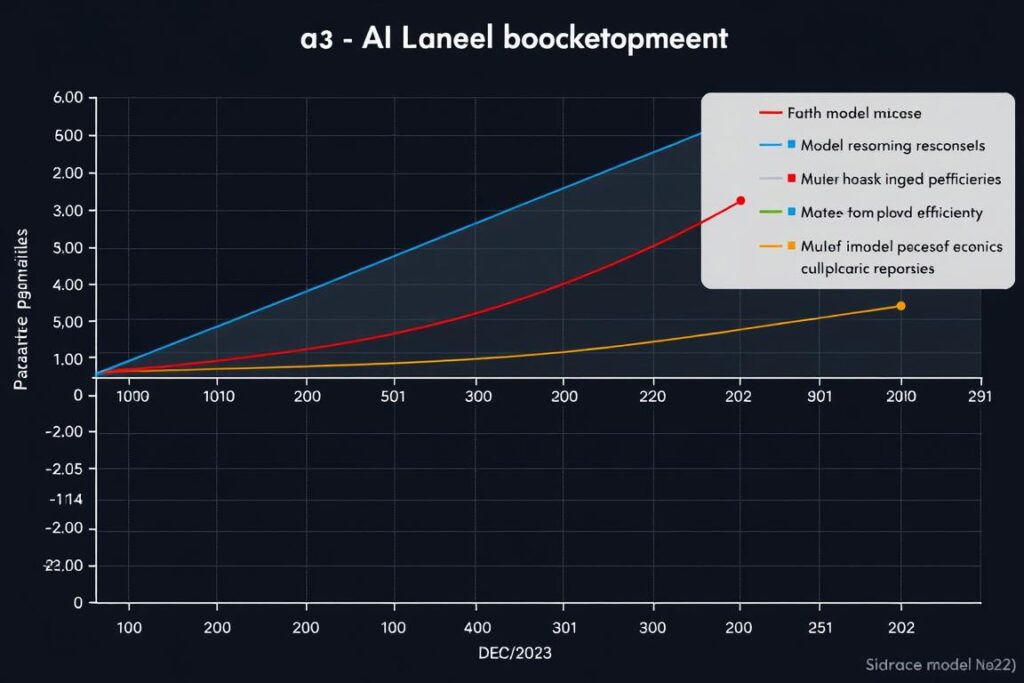
Several key trends have emerged that will be further amplified by December’s releases: the rise of specialized small language models (SLMs), increased focus on reasoning capabilities, multimodal integration, and the growing importance of open-weight models. These developments are occurring against a backdrop of heightened regulatory scrutiny and growing concerns about AI’s impact on employment and society.
Stay Ahead of AI Developments
Join our AI Model Release Tracker newsletter to receive expert analysis on new models as they launch. Be the first to understand their capabilities and potential impact.
Mistral AI’s New Model Family: Redefining Efficiency and Scale
French AI startup Mistral AI is set to release its most ambitious model family yet in early December 2025. Building on the success of their previous models, Mistral’s new releases focus on delivering frontier-level performance with unprecedented efficiency.
Mistral 3: The Flagship Model
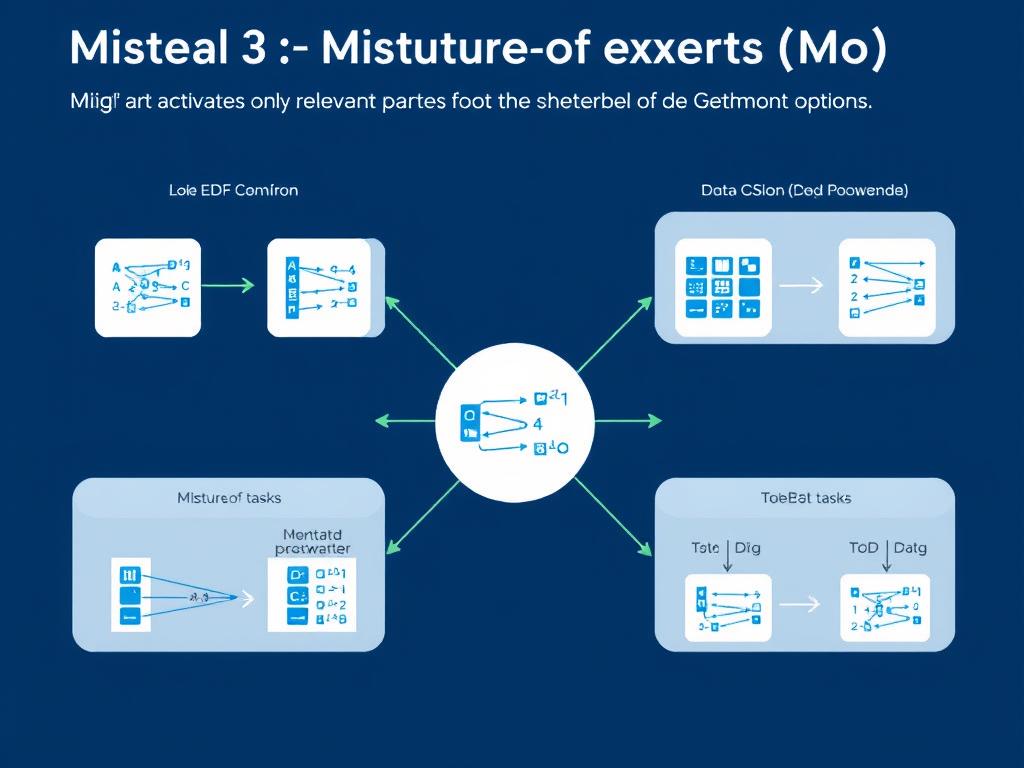
Mistral Large 3 represents a significant advancement in mixture-of-experts (MoE) architecture. With 41B active parameters and 675B total parameters, the model delivers exceptional performance while maintaining efficiency. Its 256K context window enables processing of extensive documents and complex reasoning tasks.
Key Technical Specifications:
- 41B active parameters (675B total)
- 256K context window
- Advanced MoE architecture
- Optimized for NVIDIA GB200 NVL72 systems
- 10x performance gain over previous generation
Primary Applications:
- Enterprise AI assistants
- Retrieval-augmented systems
- Scientific workloads
- Complex enterprise workflows
- Financial analysis and translation
Ministral 3: Edge Computing Breakthrough
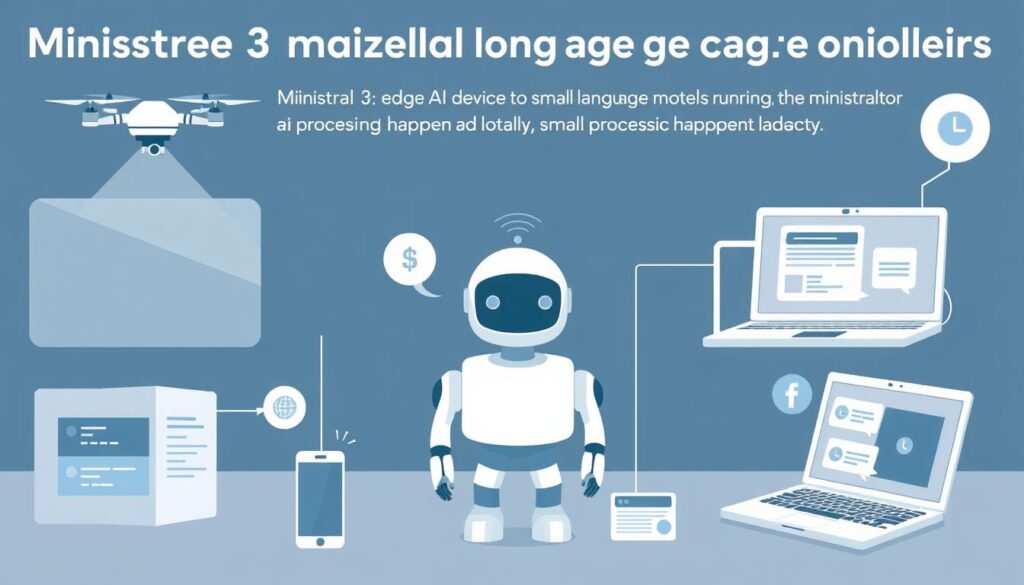
Complementing their flagship model, Mistral is also releasing Ministral 3, a suite of nine compact models designed for edge computing. These models can run on a single GPU and are optimized for deployment in resource-constrained environments like drones, robots, and mobile devices.
“The next chapter of AI isn’t just bigger — it’s smarter, faster, and open. Together, we’re building towards an era of distributed intelligence.” – Mistral AI
Mistral’s partnership with NVIDIA ensures these models are optimized across platforms, from supercomputing infrastructure to edge devices. This collaboration highlights the growing importance of hardware-software co-optimization in delivering practical AI solutions.
DeepSeek R2: China’s Frontier Model Challenger
DeepSeek, which made waves with its R1 model earlier in 2025, is scheduled to release its highly anticipated R2 model in mid-December. This release is expected to further cement China’s position at the forefront of AI research and development.
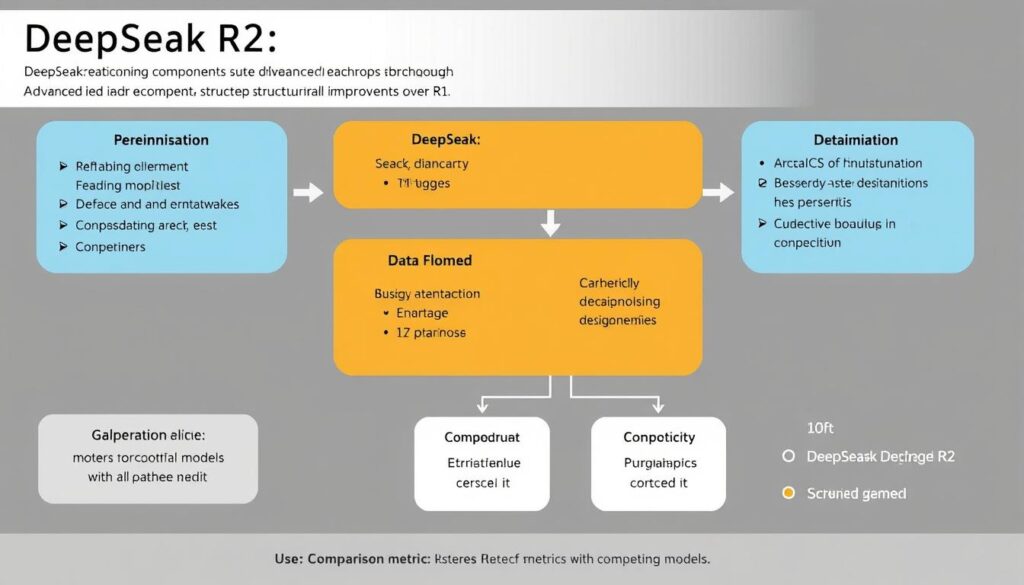
DeepSeek R2 builds on the company’s reasoning-first approach, which has proven highly effective in complex problem-solving tasks. Industry analysts expect significant improvements in mathematical reasoning, code generation, and multimodal understanding.
| Capability | DeepSeek R1 (Current) | DeepSeek R2 (December 2025) | Improvement |
| Mathematical Reasoning | 87.4% | 94.2% (expected) | +6.8% |
| Code Generation | 82.1% | 91.5% (expected) | +9.4% |
| Multimodal Understanding | Limited | Comprehensive | Major upgrade |
| Context Window | 128K tokens | 1M tokens (expected) | 8x increase |
DeepSeek’s approach to open-source and open-weight models has significantly influenced the industry, pushing many Chinese AI labs to release their models openly. This trend is expected to continue with R2, potentially making advanced AI capabilities more accessible to researchers and developers worldwide.
DeepSeek R2’s release comes amid growing geopolitical tensions around AI development, with the US government increasingly concerned about Chinese models gaining traction globally. Despite these challenges, DeepSeek continues to push the boundaries of what’s possible with AI.
NVIDIA’s Specialized AI Models for Autonomous Systems
NVIDIA is set to release several specialized AI models in December 2025, focusing on physical AI applications such as autonomous driving and robotics. These releases represent NVIDIA’s strategic push into what CEO Jensen Huang has described as “the next wave of AI.”
Alpamayo-R2: Advanced Vision Language Model
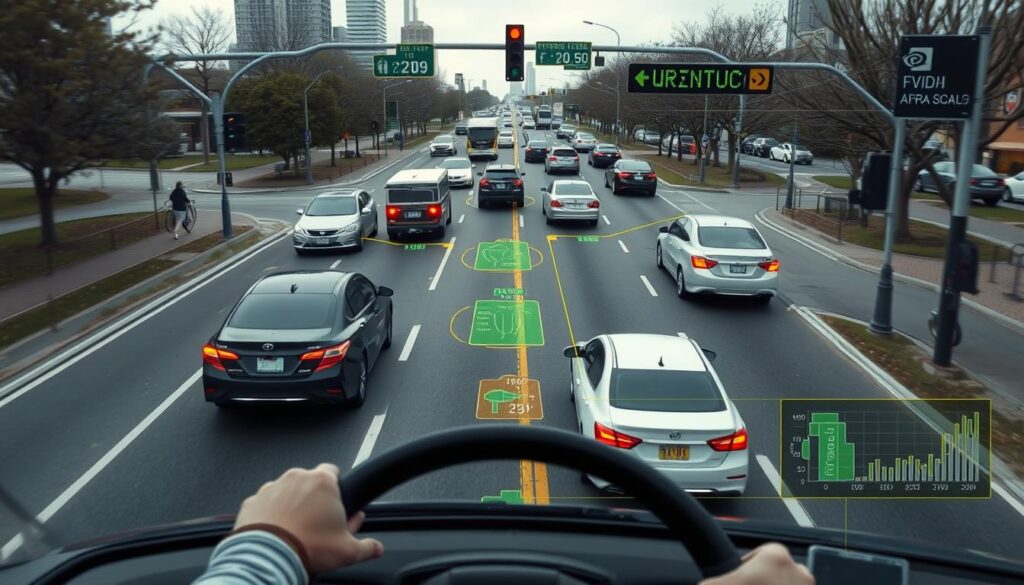
Building on the Alpamayo-R1 announced earlier this year, NVIDIA’s Alpamayo-R2 represents a significant advancement in vision language action models for autonomous driving. The model is designed to give autonomous vehicles the “common sense” needed to navigate complex driving scenarios.
Key Features:
- Enhanced reasoning capabilities for real-time decision making
- Improved visual understanding in diverse weather and lighting conditions
- Multimodal integration of visual, textual, and sensor data
- Optimized for NVIDIA’s specialized hardware
Target Applications:
- Level 4 autonomous driving systems
- Advanced driver assistance systems (ADAS)
- Robotics and drone navigation
- Industrial automation
Cosmos-Reason 2.0: Foundation for Physical AI
NVIDIA is also releasing an updated version of its Cosmos-Reason model, designed to power a wide range of physical AI applications. This model builds on NVIDIA’s vision of AI that can perceive and interact with the real world.

Cosmos-Reason 2.0 introduces significant improvements in reasoning capabilities, allowing AI systems to think through complex decisions before taking action. This is particularly important for applications where mistakes could have serious consequences, such as autonomous vehicles and medical robots.
“I think eventually robots are going to be a huge player in the world and we want to basically be making the brains of all the robots. To do that, we need to start developing the key technologies.” – Bill Dally, NVIDIA’s Chief Scientist
Both models will be available on GitHub and Hugging Face, continuing NVIDIA’s commitment to open research collaboration. The company is also releasing comprehensive documentation and tools to help developers implement these models in their own applications.
AWS Nova 2: Enterprise-Grade AI Infrastructure
Amazon Web Services is set to announce a comprehensive expansion of its Nova AI platform in December 2025. The Nova 2 model family represents AWS’s most significant AI release to date, designed to meet the growing demand for enterprise-grade AI solutions.
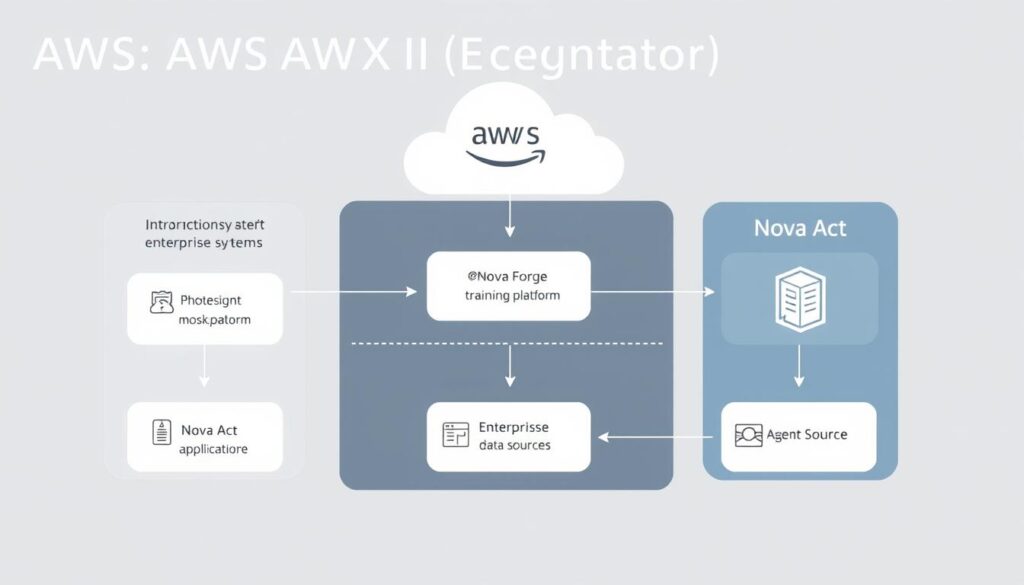
The Nova 2 release includes three major components: a new family of foundation models, the Nova Forge training platform, and the Nova Act agent service. Together, these offerings provide a complete solution for enterprises looking to develop and deploy AI applications at scale.
Nova 2 Model Family
A suite of foundation models optimized for different enterprise use cases, from document processing to customer service automation.
Nova Forge
A comprehensive training platform that allows enterprises to customize Nova models with their own data while maintaining security and compliance.
Nova Act
An agent service that enables the development of autonomous AI agents that can perform complex tasks across enterprise systems.
AWS’s approach focuses on making advanced AI accessible to enterprises of all sizes, with particular emphasis on security, compliance, and cost efficiency. The Nova 2 models are designed to run efficiently on AWS’s Trainium3 chips, which offer significant cost advantages over GPU-based alternatives.
AWS is also introducing “AI Factories” to support sovereign, large-scale AI deployments. These dedicated environments allow organizations to develop and deploy AI models while maintaining control over their data and complying with local regulations.
Industry Impact and Expert Predictions
The December 2025 AI model releases are expected to have far-reaching implications across industries. Experts predict these models will accelerate the adoption of AI in enterprise settings while also raising new questions about regulation, competition, and societal impact.
Enterprise Adoption Acceleration
The focus on efficiency, specialized models, and improved reasoning capabilities is expected to drive increased enterprise adoption. Organizations that have been hesitant to implement AI due to concerns about reliability, cost, or complexity may find these new models more accessible.
“The December 2025 releases mark a shift from general-purpose models to specialized AI solutions that address specific business needs. This will significantly accelerate enterprise adoption across industries.” – Dr. Maya Patel, AI Industry Analyst
Geopolitical Implications
The continued advancement of Chinese AI models, particularly DeepSeek’s R2, is likely to intensify geopolitical tensions around AI development. The U.S. government’s concerns about Chinese models gaining global traction may lead to new regulatory approaches or export controls.
At the same time, the open-source nature of many of these models makes traditional control mechanisms less effective. This tension between openness and security will be a defining challenge for policymakers in 2026 and beyond.
Workforce Transformation
The increased capabilities of these models, particularly in areas like reasoning and multimodal understanding, will accelerate workforce transformation across industries. Jobs that involve routine cognitive tasks are likely to be most affected, while new roles focused on AI implementation and oversight will emerge.
Challenges and Controversies
Despite the impressive capabilities of these new models, they also bring significant challenges and controversies that will need to be addressed by developers, regulators, and society as a whole.
Opportunities
- Unprecedented capabilities in reasoning and multimodal understanding
- More efficient models reduce computational costs and environmental impact
- Specialized models address specific industry needs more effectively
- Open-weight approaches democratize access to advanced AI
- Edge-optimized models enable new applications in resource-constrained environments
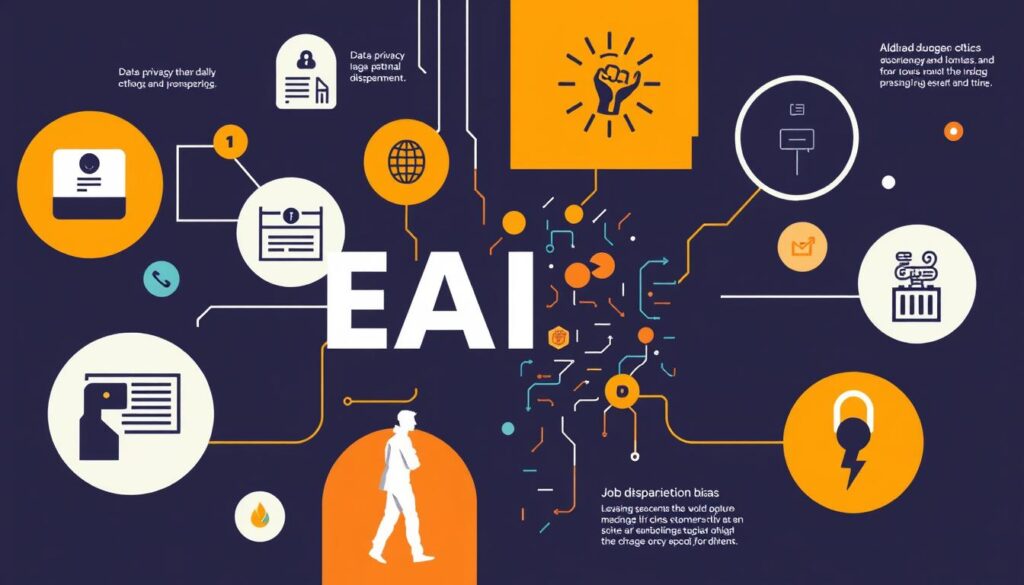
Challenges
- Potential for job displacement across industries
- Geopolitical tensions around AI development and deployment
- Ethical concerns about AI decision-making in critical applications
- Data privacy and security risks with more capable models
- Regulatory frameworks struggling to keep pace with technological advancement
The Small Model Renaissance
One notable trend across the December 2025 releases is the increased focus on small, efficient models. This “small model renaissance” represents a shift away from the “bigger is better” mindset that has dominated AI development in recent years.
“The most practical development of 2025 was the industry’s pivot toward efficient small language models. Cost pressure, latency requirements, and privacy demands forced enterprises to rethink the assumption that bigger is better.” – Veronica Hylak, AI Product Innovator
This trend is evident in Mistral’s Ministral 3 suite, NVIDIA’s edge-optimized models, and AWS’s approach to model deployment. By focusing on efficiency rather than just raw size, these models are making advanced AI capabilities more accessible and practical for everyday applications.
Beyond December 2025: The Future of AI
The December 2025 releases provide a glimpse into the future direction of AI development. Several key trends are likely to shape the industry in 2026 and beyond.
Agentic AI Maturation
The development of AI agents capable of performing complex, multi-step tasks autonomously will accelerate, moving beyond the hype to deliver practical business value.
Hardware-Software Co-optimization
The tight integration of AI models with specialized hardware will continue, with custom chip designs optimized for specific AI workloads becoming increasingly common.
Regulatory Evolution
Regulatory frameworks will continue to evolve, with increased focus on model transparency, safety testing, and governance of autonomous AI systems.
The competition between US and Chinese AI labs is likely to intensify, driving further innovation while also raising complex questions about global AI governance. The open-source movement will continue to democratize access to advanced AI capabilities, potentially leading to unexpected applications and innovations from smaller players.
Stay Informed About AI’s Rapid Evolution
Join our AI Model Release Tracker to receive expert analysis of new models as they launch. Our team of AI specialists provides detailed breakdowns of capabilities, benchmarks, and potential applications.
Conclusion: A Transformative Moment for AI
The AI model releases scheduled for December 2025 represent a transformative moment for the industry. With their focus on efficiency, reasoning, and specialized applications, these models signal a shift from general-purpose AI to more targeted solutions that address specific business and societal needs.
As these models move from research labs to real-world applications, they will bring both unprecedented opportunities and significant challenges. Organizations that understand these developments and their implications will be best positioned to leverage AI’s transformative potential while navigating the complex ethical, regulatory, and competitive landscape.

The December 2025 releases mark not just technological advancement, but a maturation of the AI industry as a whole. As we move into 2026, the focus will increasingly shift from model capabilities to responsible implementation, from technical benchmarks to real-world impact, and from isolated AI systems to integrated solutions that address complex business and societal challenges.





Comments are closed